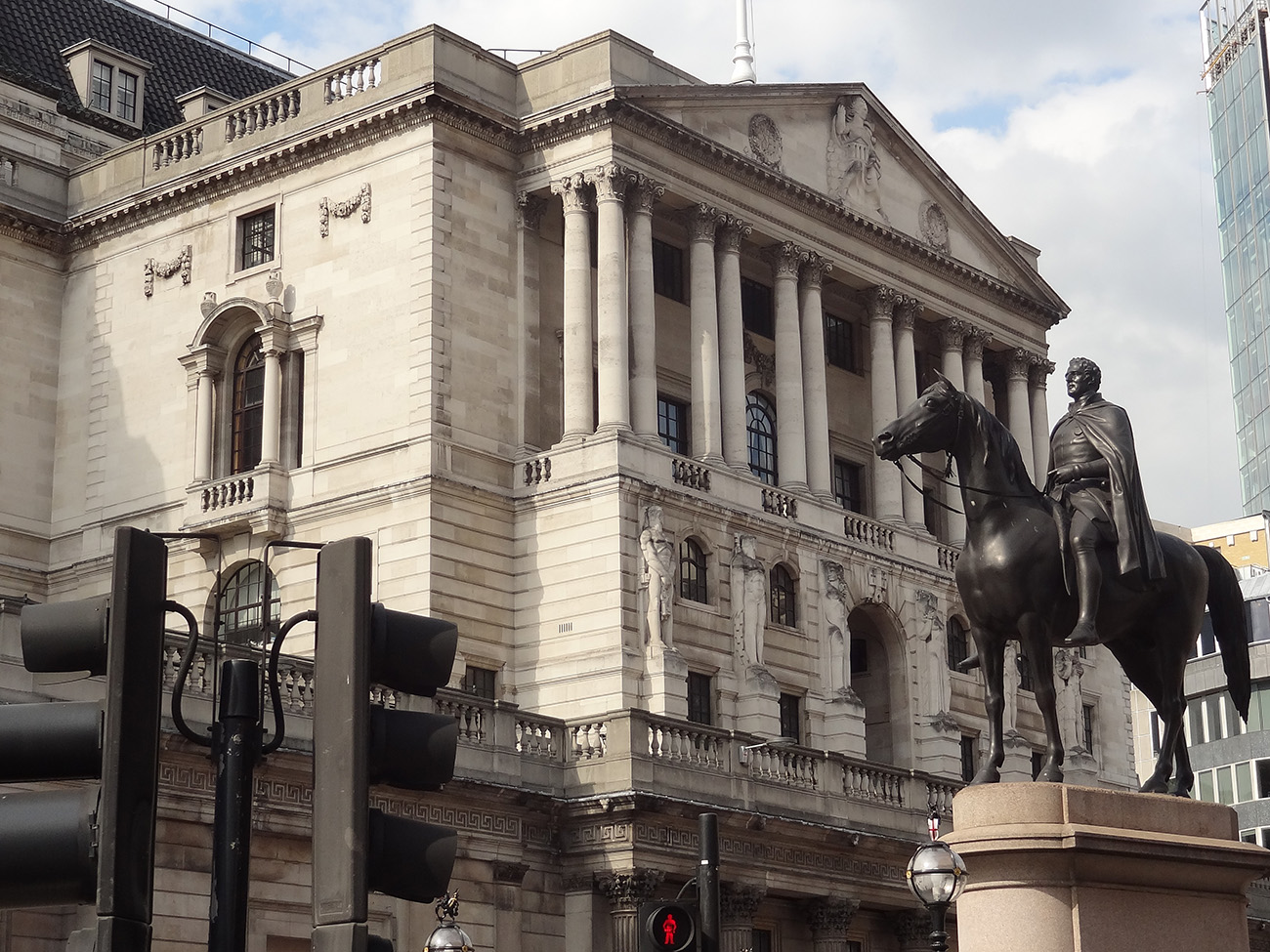
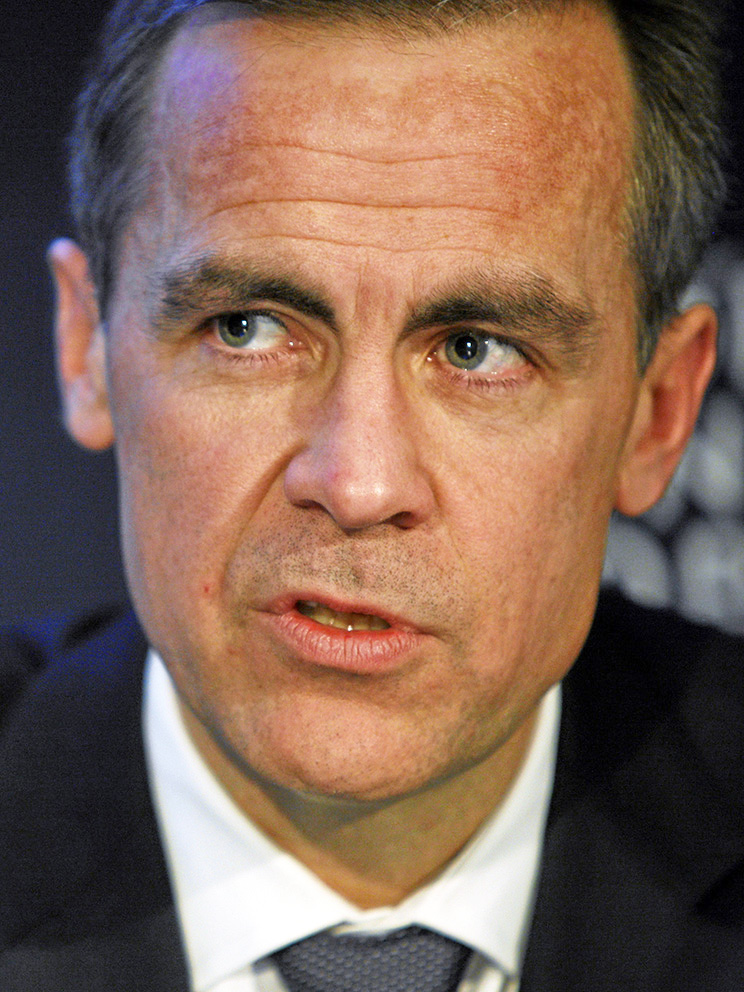
 With the publication of the February 2014 Inflation Report the Bank of England has adjusted its forward guidance to the markets.
As we saw in Part 1 of this blog, the economy should soon fall below the 7% unemployment threshold adopted in the original forward guidance issued last August. But the Bank feels that there is still too much slack in the economy to raise interest rates when unemployment does fall below 7%.
The Bank has thus issued a new vaguer form of forward guidance.
The MPC’s view is that the economy currently has spare capacity equivalent to about 1%–1½% of GDP, concentrated in the labour market. Around half of that slack reflects the difference between the current unemployment rate of 7.1% and an estimate of its
medium-term equilibrium rate of 6%–6½%. The remaining slack largely reflects a judgement that employees would like to work more hours than is currently the case. Companies appear to be operating at close to normal levels of capacity, although this is subject to some uncertainty.
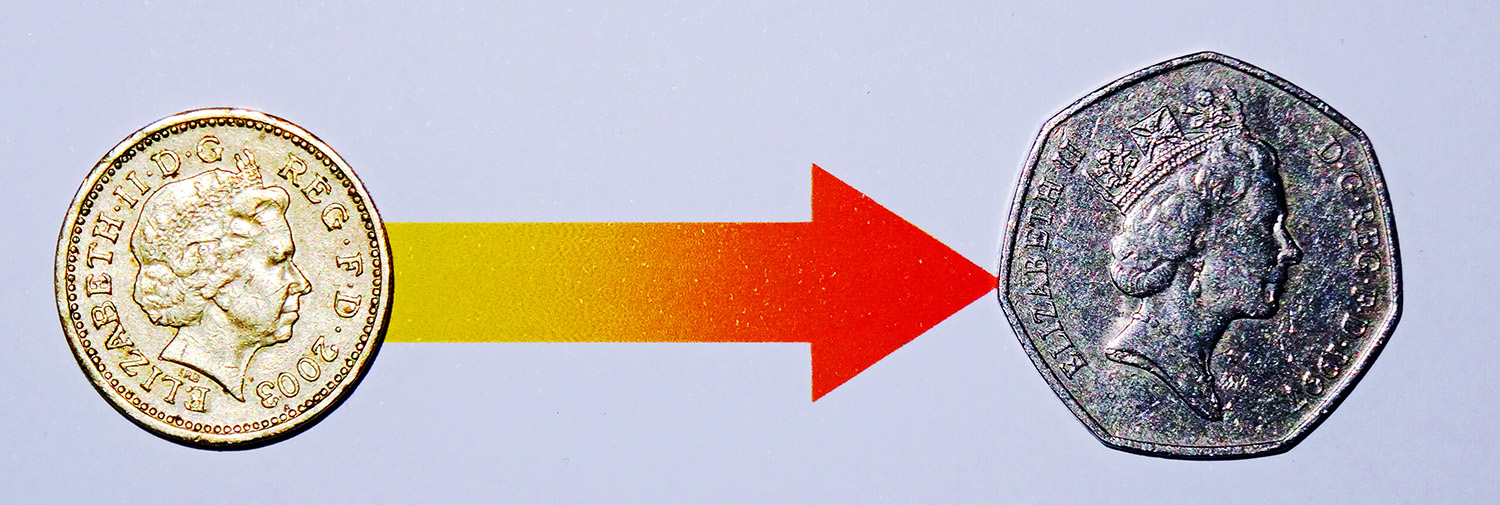
The existence of spare capacity in the economy is both wasteful and increases the risk that inflation will undershoot the target in the medium term. Moreover, recent developments in inflation mean that the near-term trade-off between keeping inflation close to the target and supporting output and employment is more favourable than at the time the MPC announced its guidance last August: CPI inflation has fallen back to the 2% target more quickly than anticipated and, with domestic costs well contained, is expected to remain at, or a little below, the target for the next few years. The MPC therefore judges that there remains scope to absorb spare capacity further before raising Bank Rate.
Just what will determine the timing and pace of tightening? The Bank identifies three factors: the sustainability of the recovery; the extent to which supply responds to demand; and the evolution of cost and price pressures. But there is considerable uncertainty about all of these.
Thus although this updated forward guidance suggests that interest rates will not be raised for some time to come, even when unemployment falls below 7%, it is not at all clear when a rise in Bank Rate is likely to be, and then how quickly and by how much Bank Rate will be raised over subsequent months. Partly this is because of the inevitable uncertainty about future developments in the economy, but partly this is because it is not clear just how the MPC will interpret developments.
So is this new vaguer forward guidance helpful? The following articles address this question.
Articles
Bank of England Governor Carney’s statement on forward guidance Reuters (12/2/14)
Why has Mark Carney tweaked forward guidance? The Telegraph, Denise Roland (12/2/14)
Interest rates: Carney rips up ‘forward guidance’ policy Channel 4 News (12/2/14)
Forward guidance version 2: will the public believe it? The Guardian, Larry Elliott (12/2/14)
Mark Carney adjusts Bank interest rate policy BBC News (12/2/14)
Mark Carney’s almost promise on rates BBC News, Robert Peston (12/2/14)
Did the Bank of England’s Forward Guidance work? Independent, Ben Chu (2/2/14)
Forward Guidance 2.0: Is Carney just digging with a larger shovel? Market Watch, The Tell (12/2/14)
The U.K. Economy: Five Key Takeaways Wall Street Journal, Alen Mattich (12/2/14)
Bank of England pages
Inflation Report, February 2014 Bank of England (12/2/14)
Monetary Policy Bank of England
MPC Remit Letters Bank of England
Forward Guidance Bank of England
Questions
- Summarize the new forward guidance given by the Bank of England.
- Why is credibility an important requirement for policy?
- What data would you need to have in order to identify the degree of economic slack in the economy?
- Why is it difficult to obtain such data – at least in a reliable form?
- What is meant by the ‘output gap’? Would it be a good idea to target the output gap?
- Is it possible to target the rate of inflation and one or more other indicators at the same time? Explain.
 Although the Monetary Policy Committee (MPC) of the Bank of England is independent in setting interest rates, until recently it still had to follow a precise remit set by the government. This was to target inflation of 2% (±1%), with interest rates set to meet this target in 24 months’ time. But things have changed since the new Governor, Mark Carney, took up office in July 2013. And now things are not so clear cut.
The Bank announced that it would keep Bank Rate at the current historically low level of 0.5% at least until unemployment had fallen to 7%, subject to various conditions. More generally, the Bank stated that:
The MPC intends at a minimum to maintain the present highly stimulative stance of monetary policy until economic slack has been substantially reduced, provided this does not entail material risks to price stability or financial stability.
This ‘forward guidance’ was designed to provide more information about future policy and thereby more certainty for businesses and households to plan.
But unemployment has fallen rapidly in recent months. It fell from a 7.7% average for the three months May to July 2013 to 7.1% for the latest available three months (September to November 2013).  And yet there is still considerable slack in the economy.
It now, therefore, looks highly unlikely that the MPC will raise Bank Rate as soon as unemployment falls below 7%. This then raises the question of how useful the 7% target has been and whether, if anything, it has created further uncertainty about future MPC decisions.
The following still appears on the Bank of England website:
The MPC intends at a minimum to maintain the present highly stimulative stance of monetary policy until economic slack has been substantially reduced, provided this does not entail material risks to price stability or financial stability.
But this raises two questions: (a) how do you measure ‘economic slack’ and (b) what constitutes a substantial reduction?
So what should the Bank do now? What, if any, forward guidance should it offer to the markets? Will that forward guidance be credible? After all, credibility among businesses and households is an important condition for any policy stance. According to Larry Elliott in the first article below, there are five options.
Articles
Bank of England’s method of setting interest rates needs reviewing The Guardian, Larry Elliott (9/2/14)
Mark Carney set to adjust Bank interest rate policy BBC News (12/2/14)
Forward guidance: dead and alive BBC News, Robert Peston (11/2/14)
What “forward guidance” is, and how it (theoretically) works The Economist (11/2/14)
BOE’s forward guidance 2.0: Cheap talk, or big change? Market Watch (11/2/14)
Bank of England pages
Monetary Policy Bank of England
MPC Remit Letters Bank of England
Forward Guidance Bank of England
Questions
- What data would you need to have in order to identify the degree of economic slack in the economy?
- Why is it difficult to obtain such data – at least in a reliable form?
- Why might the issuing of the forward guidance last July have itself contributed to the fall in unemployment?
- Why is it difficult to obtain such data – at least in a reliable form?
- Why is credibility an important requirement for policy?
- Why may LFS unemployment be a poor guide to the degree of slack in the economy?
- Discuss the relative merits of each of the five policy options identified by Larry Elliott.
 Microsoft’s Office suite is the market leader in the multi-billion dollar office software market. Although an oligopoly, thanks to strong network economies Microsoft has a virtual monopoly in many parts of the market. Network economies occur when it saves money and/or time for people to use the same product (software, in this case), especially within an organisation, such as a company or a government.
Despite the rise of open-source software, such as Apache’s OpenOffice and Google Docs, Microsoft’s Office products, such as Word, Excel and PowerPoint, still dominate the market. But are things about to change?
The UK government has announced that it will seek to abandon reliance on Microsoft Office in the public sector. Provided there are common standards within and across departments, it will encourage departments to use a range of software products, using free or low-cost alternatives to Microsoft products where possible. This should save hundreds of millions of pounds.
Will other governments around the world and other organisations follow suit? There is a lot of money to be saved on software costs. But will switching to alternatives impose costs of its own and will these outweigh the costs saved?
UK government to abandon Microsoft “oligopoly” for open source software Digital Spy, Mayer Nissim (29/1/14)
No, the government isn’t dumping Office, but it does want to start seeing other people ZDNet, Nick Heath (29/1/14)
UK government once again threatens to ditch Microsoft Office The Verge, Tom Warren (29/1/14)
UK government to abandon Microsoft Office in favour of open-source software PCR, Matthew Jarvis (29/1/14)
UK government plans switch from Microsoft Office to open source The Guardian (29/1/14)
Open source push ‘could save taxpayer millions’ The Telegraph, Matthew Sparkes (30/1/14)
Will Google Docs kill off Microsoft Office? CNN Money, Adrian Covert (13/11/13)
Questions
- Why has Microsoft retained a virtual monopoly of the office software market? How relevant are network economies to the decision of organisations and individuals not to switch?
- Identify other examples of network economies and how they impact on competition.
- How do competitors to Microsoft attempt to overcome the resistance of people to switching to their office software?
- What methods does Microsoft use to try to retain its position of market dominance?
- How does Apple compete with Microsoft in the office software market?
- What factors are likely to determine the success of Google Docs in capturing significant market share from Microsoft Office?
 The UK Shadow Chancellor, Ed Balls, has announced that, if Labour is returned to power in the next election, it will bring back the 50% top rate of income tax (see also). This will apply to incomes over £150,000.
But will this raise more tax revenue? The question here concerns incentive effects. Will the higher rate of income tax discourage work by those earning £150,000 or encourage tax avoidance or tax evasion, so that the total tax take is reduced? The Conservatives say the answer is yes. The Labour party says no, claiming that there will still be an increase in tax revenue.
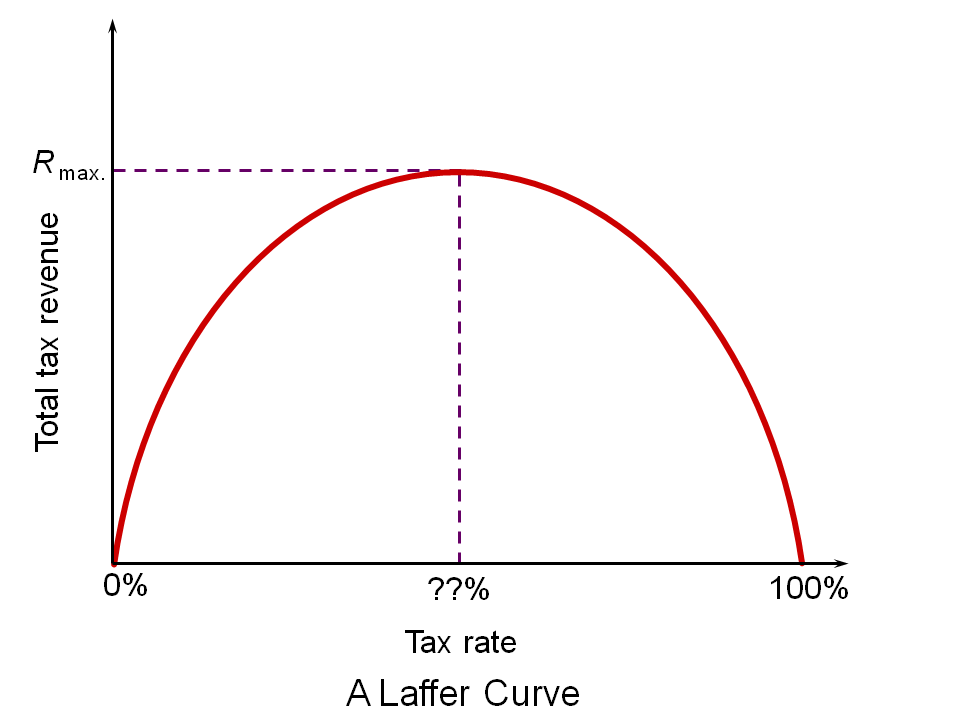 The possible effects are summed up in the Laffer curve (see The 50p income tax rate and the Laffer curve). As the previous post stated:
These arguments were put forward in the 1980s by Art Laffer, an adviser to President Reagan. His famous ‘Laffer curve’ (see Economics (8th edition) Box 10.3) illustrated that tax revenues are maximised at a particular tax rate. The idea behind the Laffer curve is very simple. At a tax rate of 0%, tax revenue will be zero – but so too at a rate of 100%, since no-one would work if they had to pay all their income in taxes. As the tax rate rises from 0%, so tax revenue would rise. And so too, as the tax rate falls from 100%, the tax rate would rise. It follows that there will be some tax rate between 0% and 100% that maximises tax revenue.
As Labour is claiming that re-introducing the 50% top rate of income tax will increase tax revenue, the implication is that the economy is to the left of the top of the Laffer curve: that, at current level of income, the curve is still rising.
Work by HMRC, and published in the document The Exchequer effect of the 50 per cent additional rate of income tax, suggested that the previous cut in the top rate from 50% to 45% would cut revenue by around £3.5 billion if there were no incentive effect, but with the extra work that would be generated, the cut would be a mere £100 million. This implies, other things being equal, that a rise in the rate from 45% to 50% would raise only a tiny bit of extra taxes.
However, the HMRC analysis has been criticised and especially its assumptions about the incentive effects on work. Then there is the question of whether a rise in the rate from 45% to 50% would have exactly the reverse effect of a cut from 50% to 45%. And then there is the question of how much HMRC could reduce tax evasion and avoidance.
The following article from the Institute for Fiscal Studies examines the effects. However, the authors conclude that:
… at the moment, the best evidence we have still suggests that raising the top rate of tax would raise little revenue and make, at best, a marginal contribution to reducing the budget deficit an incoming government would face after the next election.
But there is also the question of equity. Putting aside the question of how much revenue would be raised, is it fair to raise the top rate of tax for those on high incomes? Would it make an important contribution to reducing inequality? This normative question lies at the heart of the different views of the world between left and right and is not a question that can be answered by economic analysis.
Article
50p tax – strolling across the summit of the Laffer curve? Institute for Fiscal Studies, Paul Johnson and David Phillips (Jan 2014)
Questions
- Distinguish between tax evasion and tax avoidance.
- How would it be possible for a rise in tax rates to generated less tax revenue?
- Could policies shift the Laffer curve as opposed to merely resulting in a move along the curve?
- What is meant by ‘taxable income elasticity (TIE)’? What are its determinants?
- Is the taxable income elasticity at the top of the Laffer curve equal to, above or below zero? Explain.
- Why did the Office for Budget Responsibility chairman, Robert Chote, conclude that, whatever the precise answer, we were ‘strolling across the summit of the Laffer curve’?
- Explain why ‘there is little additional evidence to suggest that a 50p rate would raise more than was estimated by HMRC back in 2012’.
- What contribution can economists make to the debate on the desirability of reducing inequality?
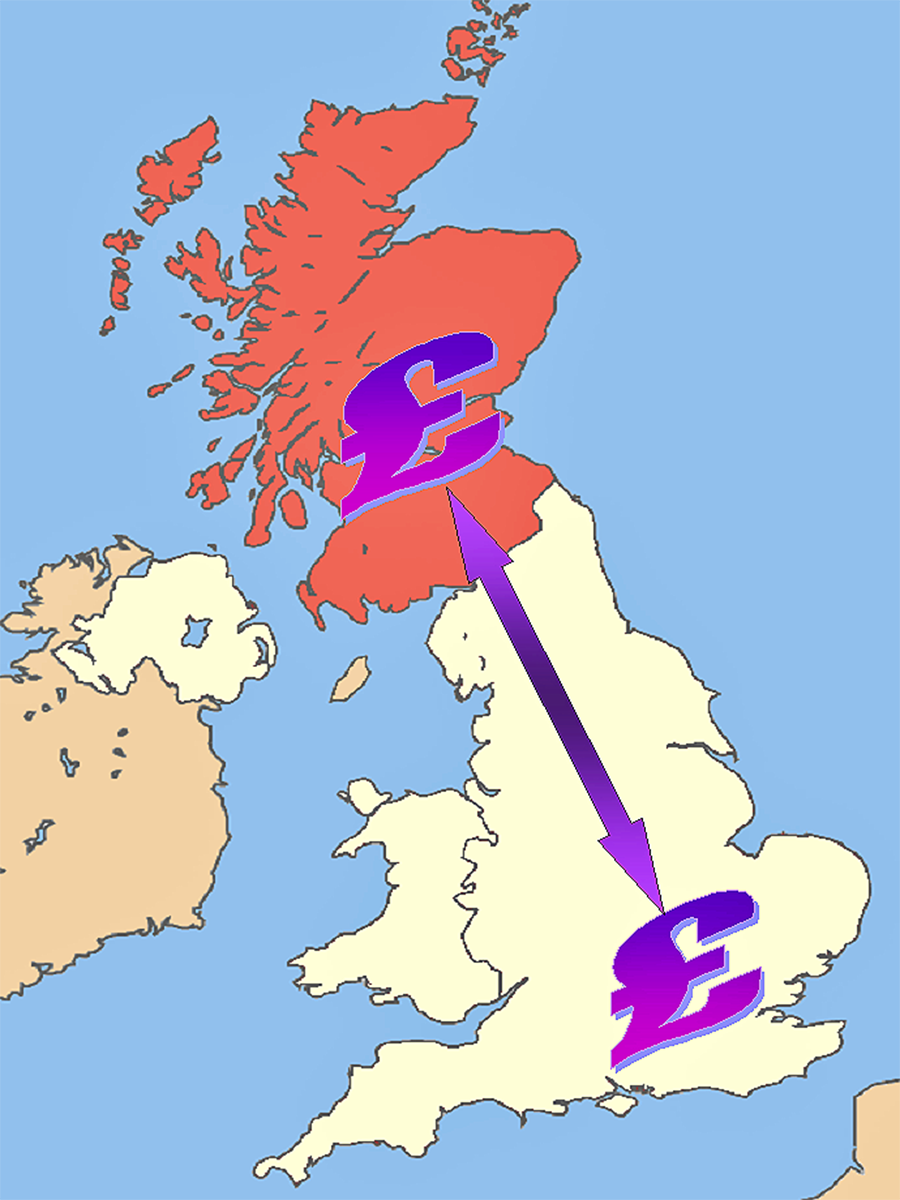 In a speech in Edinburgh, Mark Carney, Governor of the Bank of England, considered the implications of Scotland retaining the pound if the Scottish people vote yes for independence. His speech was intended to be non-political. Rather he focused on two main questions: first whether a currency union of Scotland and the rest of the UK (RUK) would be an optimal currency area; second how much economic sovereignty would need to be shared with RUK as a consequence of Scotland keeping the pound.
On the first question, Mark Carney argued that the current UK is close to an optimal currency area as there is a high degree of economic integration and factor mobility. Sharing a currency eliminates exchange costs, improves pricing transparency and hence encourages competition, promotes cross-border investment, improves the flow of technology and ideas, and increases the mobility of labour and capital.
But sharing a currency involves sharing a monetary policy. This would still be determined by the Bank of England and would have to geared to the overall economic situation of the union, not the specific needs of Scotland.
There would also need to be a banking union, whereby banks in difficulties would receive support from the whole currency area. In Scotland’s case, banking accounts for a very large proportion of the 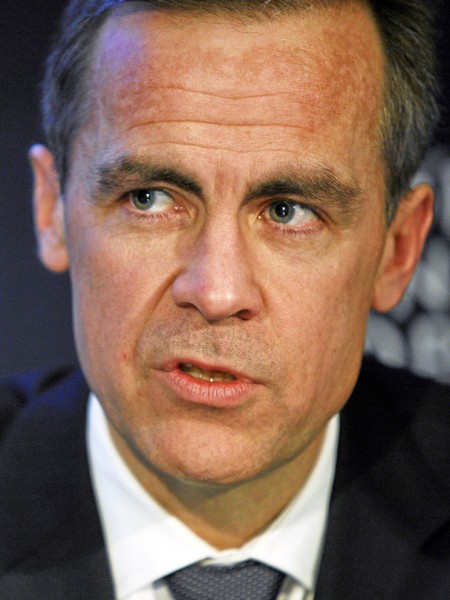 economy (12.5% compared with 4.3% for RUK) and could potentially place disproportionate demands on the currency union’s finances.
And then there is the question of fiscal policy. A shared currency also means pooling a considerable amount of sovereignty over taxation, government spending and government debt. This could be a serious problem in the event of asymmetric shocks to Scotland and RUK. For example, if oil prices fell substantially, Scotland may want to pursue a more expansionary fiscal policy just at a time when its tax revenues were falling. This could put a strain on Scotland’s finances. This might then require RUK to provide support from a common pool of funds, such as a ‘regional fund’.
Being in a currency union can amplify fiscal stress, and increase both the risks and consequences of financial instability. In the situation just described [a fall in demand for exports], fiscal policy would ideally help smooth adjustment to the external shock. But its ability to do so could be limited by the budgetary impact of the falls in output, prices and wages. To maintain credibility, fiscal policy may even become pro-cyclical, with the resulting austerity exacerbating the initial fall in demand. In the extreme, adverse fiscal dynamics could call into question a country’s membership of the union, creating the possibility of self-fulfilling ‘runs’ on bank and sovereign debt absent central bank support.6 Such adverse feedback loops turned recessions into depressions in several European countries in recent years.
A separate Scottish currency, by contrast, would, according to Carney, be a valuable shock absorber if domestic wages and prices were sticky.
For example, suppose demand for a country’s exports falls. All else equal, its output will fall, unemployment increase and current account deteriorate. With an independent currency, exchange rate depreciation can dampen these effects by improving competitiveness, and monetary policy can become more accommodative, supporting demand and employment. However, if the country were part of a currency area with its foreign market, its exchange rate would by definition not change, putting the full weight of adjustment on wages and unemployment – a significantly more protracted and painful process. In addition, the responsiveness of monetary policy to weak demand in that country would be diluted by the needs of the broader membership.
But despite the problems of ceding a degree of monetary and fiscal sovereignty, Scotland and RUK are well placed to continue with a successful currency union if Scotland becomes independent. Economic conditions are very similar, as are language, culture and institutions, and there is an effective banking union – assuming such a banking union were to continue post independence.
The existing banking union between Scotland and the rest of the United Kingdom has proved durable and efficient. Its foundations include a single prudential supervisor maintaining consistent standards of resilience, a single deposit guarantee scheme backed by the central government, and a common central bank, able to act as Lender of Last Resort across the union, and also backed by the central government. These arrangements help ensure that Scotland can sustain a banking system whose collective balance sheet is substantially larger than its GDP.
The desirability of Scottish independence is a normative question for the Scottish electorate to decide. Nevertheless, economists have an important part to play in informing the debate. Mark Carney’s economic analysis of currency union if the Scottish electorate votes yes is a good example of this.
Video of speech
 Speech at lunch hosted by the Scottish Council for Development & Industry, Edinburgh Bank of England, Mark Carney (29/1/14)
Text of speech
The economics of currency unions Bank of England, Mark Carney (29/1/14)
Articles, podcasts and webcasts
Independent Scotland would be forced to cede some sovereignty if it keeps pound, says Carney The Telegraph, Szu Ping Chan (29/1/14)
Scottish independence: Currency debate explained BBC News, Andrew Black (29/1/14)
Scottish independence: Key extracts from Mark Carney speech BBC News (29/1/14)
Scottish independence: Carney says Scots currency plan may lead to power loss BBC News (29/1/14)
The sterling price of Scottish independence BBC News, Robert Peston (29/1/14)
Independent Scotland ‘needs to cede sovereignty’ for currency union with UK The Guardian, Severin Carrell (29/1/14)
Mark Carney warns Scotland over currency union hopes Financial Times, Mure Dickie and Sarah O’Connor (29/1/14)
How independent would Scotland really be? Channel 4 News (29/1/14)
BoE’s Mark Carney in currency sovereignty warning The Scotsman, Tom Peterkin (30/1/14)
Carney Says Scotland Must Heed Euro Crisis in Pound Debate Bloomberg, Emma Charlton and Jennifer Ryan (29/1/14)
Independent Scotland ‘meets criteria’ for currency union BBC Today Programme, Gordon MacIntyre-Kemp and Iain Gray (29/1/14)
Scotland must play a high-stakes poker game with Westminster over the pound The Guardian Larry Elliott (12/2/14)
Questions
- What are the conditions necessary for a successful currency union?
- To what extent do Scotland and RUK meet these conditions?
- What are meant by asymmetric shocks? Give some examples of asymmetric shocks that could affect a Scotland–RUK currency union.
- Why is there a potential moral hazard in a whole currency union providing fiscal support to members in difficulties?
- Why is banking union such an important part of a successful currency union? What lessons can be learned here from the eurozone currency union?
- What constraints would currency union impose on Scottish fiscal policy? Would such constraints exist in an optimal currency area?
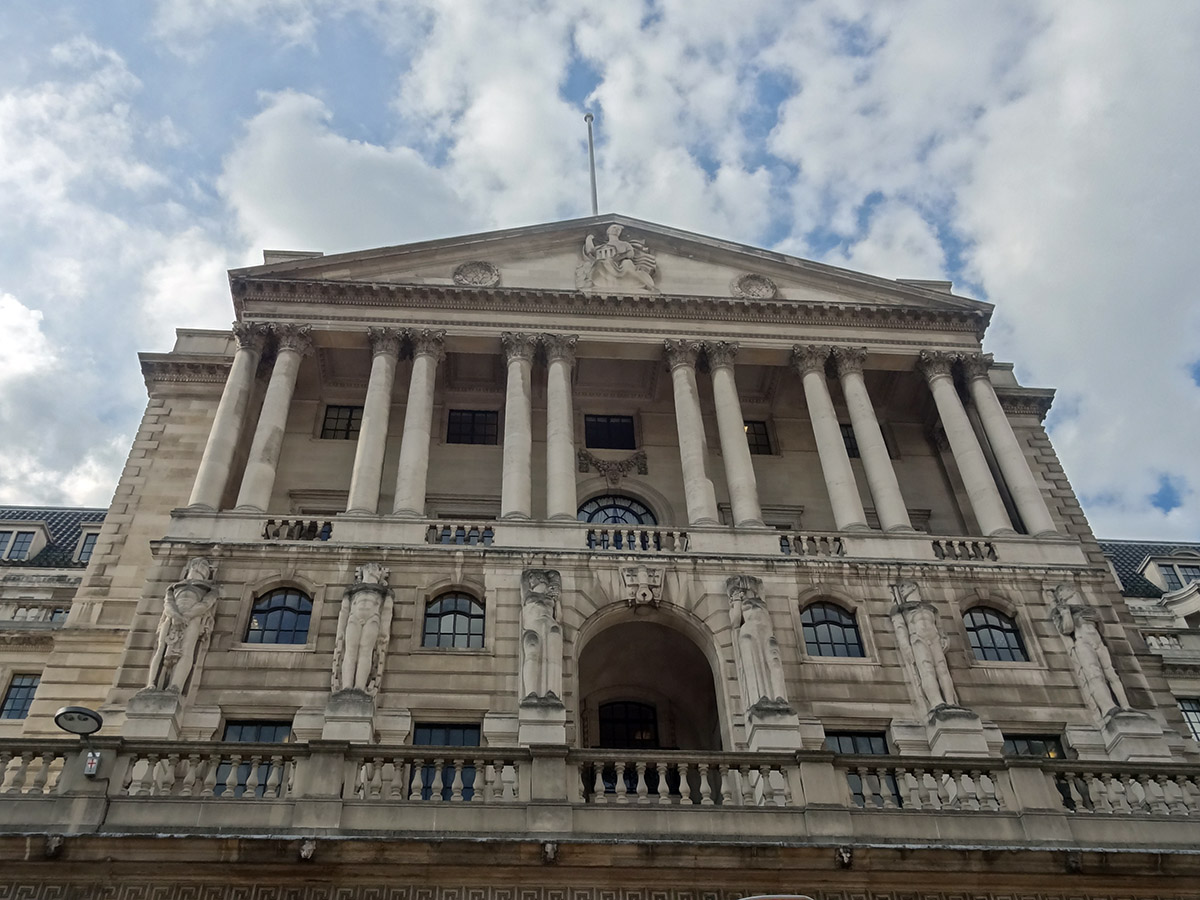 With the publication of the February 2014 Inflation Report the Bank of England has adjusted its forward guidance to the markets.