 Economists use game theory to understand decision making where the outcome for an economic actor – individual, firm, government, etc. – depends on the actions and reactions of other actors. It models how rational actors make optimal decisions based on their expectations about such actions and reactions of competitors. Sometimes these expectations will be based on considerable knowledge; sometimes they will be based on hunch or the degree of optimism or pessimism.
Perhaps the most famous game is the prisoners’ dilemma. This is where two or more firms (or people) independently attempt to choose the best strategy, thinking about how their rivals are likely to react. But they end up in a worse position than if they had co-operated in the first place. For example, if a firm is considering cutting price, it would gain market share if the other firm does not cut price; in such a scenario it is likely to gain by cutting price. If, however, the other firm is expected to cut its price, the first firm will have to cut price itself to avoid losing market share; in this scenario it will also cut price. Assuming the other firm reasons the same, the outcome is likely to be a price war, with both firms losing profit. However, if they both colluded to maintain prices or even raise them (assuming they can evade any legal restrictions on collusion), they will both gain.
 Another example is the game of chicken. This is where two or more actors engage in brinkmanship, hoping that the other actor(s) will give in first. Take the above example of a price war. Assume that two firms are engaging in price cutting. They know that this will damage their short-term profit. But each hopes that the other will give up first and may then be willing to collude or, better still, be driven out of business. If either firm thinks it can win the game, it will reason that short-term pain is justified by long-term gain.
The war in Iran
 A game of chicken is currently being ‘played’ by the USA and Iran. Iran is blocking the Strait of Hormuz; the USA is blockading Iranian ports, preventing ships from arriving or leaving. Both policies inflict economic pain. Blocking the Strait of Hormuz has driven up oil and gas prices and the prices of many other products exported through the Strait – products such as fertilisers, plastics, petrochemicals, sulphur, methanol and helium.
Each side hopes that the economic pain inflicted on the other will cause it to give up first.
But the game is ‘asymmetric’: the costs of continuing the blockades are different for each side and thus the pressures on each side to concede differ. For Iran, the blockade of its ports is massively curtailing its exports and is doing huge damage to its economy, already battered by bombing. But the war has so far seemed to allow the Iranian authorities to tighten their political grip and they may be prepared to play the ‘long game’ by rallying the Iranian population against the US and Israeli assault. The authorities may calculate that the Iranian people will be prepared to endure greater hardship for some time.
The USA is facing a much lower economic cost. Much of the hardship from the effective closure of the Strait of Hormuz is being borne by other countries. Energy and fertiliser shortages and the resulting rise in price of these critical inputs threaten a humanitarian disaster in some of the poorest countries. Harvests will be down, as will GDP; food prices will soar. There will be widespread economic hardship across Africa and much of Asia, particularly in those countries struggling with existing high debt burdens.
 But for Donald Trump and his administration, those costs are likely to be seen as important only in so far as they affect the USA. However, oil prices are determined in international markets and, despite the US economy gaining from higher oil prices as the USA is a net exporter, the price of fuel to the US consumer has risen substantially. Petrol prices in the USA have risen some 45% since the start of the war and jet fuel prices have doubled, driving up air fares. With the prices of other key products, such as medicines, clothing and electronics increasing too, US inflation is now rising – aggravated by the effects of the tariffs on many products. These costs matter to the US consumer and, with mid-term elections approaching and with Donald Trump’s approval rate plummeting, the USA is likely to be more sensitive to short-term economic costs than Iran.
But the USA poses a much greater military threat to Iran than vice versa and this is seen in the USA as a major advantage in this high-stakes game of chicken. But the Iranian authorities’ willingness to endure further military strikes for what they see as long-term gain, may make them unlikely to concede first.
Podcast and video
Articles
- Chicken
Stanford University, Janet Chen, Su-I Lu and Dan Vekhter
- Who will blink first as the Iran war hits the world economy?
CNN, Nic Robertson (23/4/26)
- Game theory explains why the US’s goals in Iran keep changing
New Scientist, Petros Sekeris (21/4/26)
- The Islamabad Game: From Lose-Lose to Win-Win in the Iran War
Times of Israeil, Vincent James Hoope (28/4/26)
- Deadly game they’re playing: Why Iran, Israel, and the US can’t stop escalating
The Business Standard, Bangladesh, Mohammad Omar Farooq (29/4/26)
- The Middle East’s game of chicken
Funds Global MENA, Raphael Olszyna-Marzys (27/4/26)
- The Strait of Hormuz shows how everything is now about leverage
The Conversation, Renaud Foucart (22/4/26)
Questions
- Explain the prisoners’ dilemma game and explain what is meant by the Nash equilibrium in the game.
- What is the Nash equilibrium of a game of chicken?
- Explain the asymmetries in the ‘game’ being ‘played’ by the USA, Israel and Iran?
- What other actors are there in the ‘game’ and do they play any significant role?
- How important is information and understanding held by the USA, Israeli and Iran about the likely consequences of their actions?
- What can mediators, such as Pakistan, do to de-escalate the situation?
- What are the likely long-term costs to the global economy if the blocking of the Strait of Hormuz persists for a number of months?
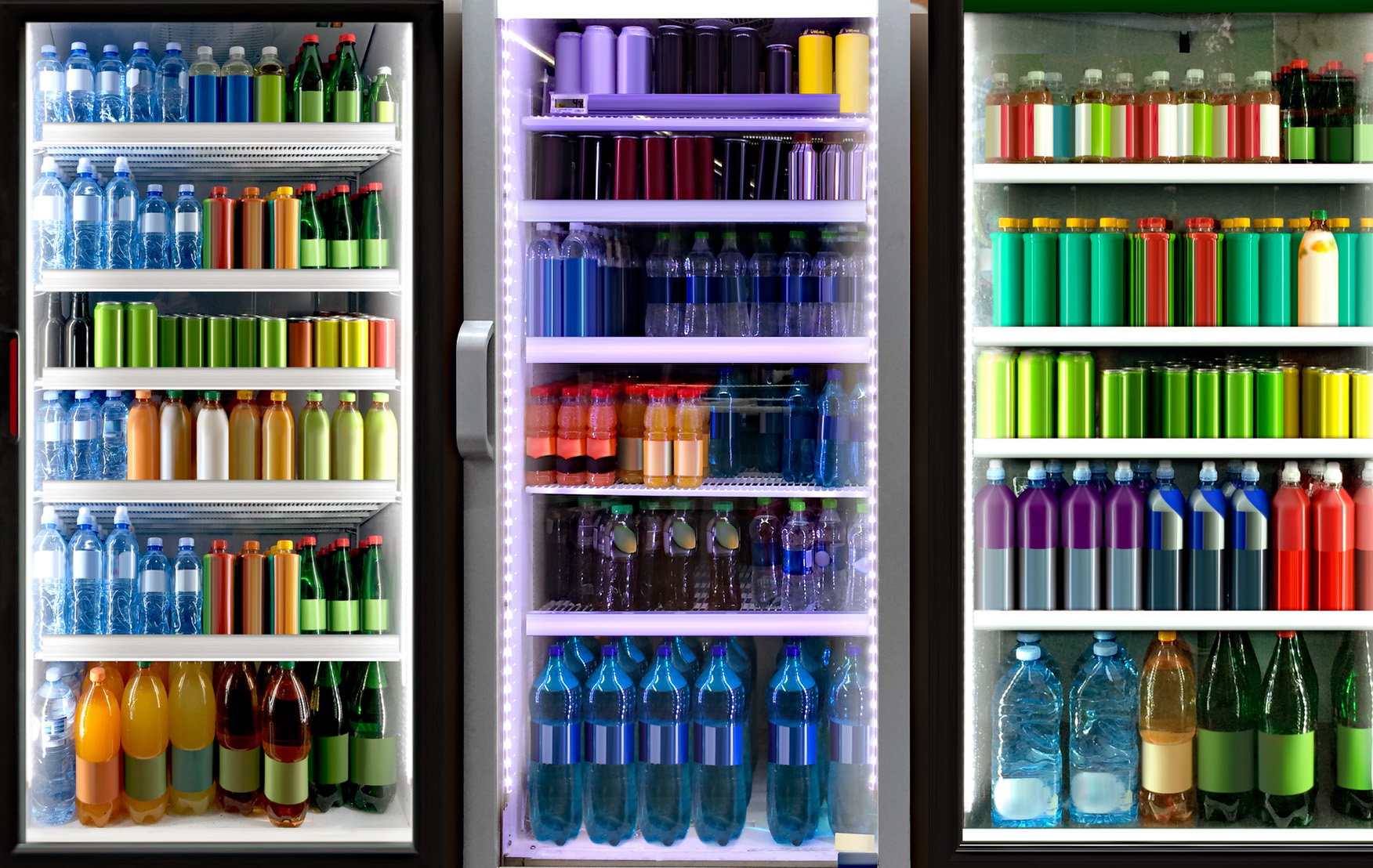
 When we think about suppliers and retailers working together, we usually imagine negotiations over things like the price a retailer pays for products, the quantities ordered, or delivery schedules. However, some suppliers do much more than simply supplying products. In fact, suppliers to many supermarkets also advise them on which brands to stock, how much shelf space each brand should get, and which products to promote. In this role, known as a ‘category captain’, a supplier can influence not only its own products but also those of its competitors within a specific category of products.
For example, if Red Bull were acting as a category captain in the energy drinks category for a supermarket like Tesco, it could also advise on where its competitor, Monster Energy, appears on the shelves, or even whether it appears at all!
Sounds problematic? Arrangements like these are an example of vertical relationships between suppliers and retailers, something economists often study. Like other vertical arrangements, such as exclusive dealing, they can have both benefits and drawbacks. For example, while a category captain can result in efficiency gains, allow for a more organised category of products and improve consumer choice, it also raises questions when the supplier giving the advice also competes with the products it is advising on.
 That is exactly what the European Commission (EC), the EU’s competition authority, began examining in November 2025, when it opened an investigation into potential anticompetitive conduct by Red Bull.
One of the key concerns is whether Red Bull used its role as a category captain to disadvantage competing energy drink brands.
Category management is common … but novel for enforcement
The practice of appointing a category captain is not new. Many large supermarkets appoint category captains from major consumer goods suppliers. For example, firms such as Kraft Foods and Procter & Gamble have long taken on category management roles in a range of consumer-packaged goods categories.
However, despite how common these arrangements are in retail, this is the first time the EC has formally investigated whether a supplier has misused its category management role to limit or disadvantage competing products, and it has said it will treat the case as a priority.
How Red Bull could be disadvantaging competitors
 According to the Commission, Red Bull appears to hold a dominant position in the wholesale supply of branded energy drinks, at least in The Netherlands. In competition policy, a firm which holds a dominant position has a special responsibility to ensure that its actions do not unfairly restrict competition. Regulators are investigating whether the company abused this position by offering financial or non-financial incentives and/or leveraging its role as a category captain to disadvantage competing energy drinks sold in larger can sizes.
At an extreme, a category captain could advise a supermarket to stop selling a competitor’s product entirely, effectively excluding the brand from the shelves and potentially reducing consumer choice.
But there are also more subtle ways Red Bull could disadvantage its competitors. Insights from behavioural economics suggest that the placement of products on shelves can strongly influence what consumers notice and buy. By reducing the visibility of rival energy drinks, for example, products in less prominent locations are less likely to be purchased and are therefore disadvantaged.
These practices matter for consumers as well as competitors. By limiting which products are stocked or how prominently they are displayed, dominant suppliers could reduce choice and potentially keep prices higher.
Growing scrutiny of category management?
 Competition authorities seem to be paying closer attention to how suppliers influence the management of product categories in retail stores. In April 2025, the Belgian Competition Authority fined three large pharmaceutical companies more than €11 million for co-ordinating the placement of over-the-counter medicines in pharmacies. The companies had created shelf layouts that favoured their own products, disadvantaged competing brands, and monitored whether pharmacies followed the plans.
Thus far there have not been many European cases related to category management.
Why the Red Bull case matters
The Red Bull investigation is the first EC case focusing specifically on the potential misuse of category management by a dominant supplier. There is currently little guidance on how these arrangements should be assessed under competition law, meaning the case could set an important precedent.
If the Commission concludes that category management was used strategically to disadvantage competitors, Red Bull could be found to have abused its dominant position under EU competition rules. Such a decision could reshape supplier–retailer relationships across Europe.
Articles
Questions
- Beyond prices, how might dominant suppliers influencing shelf space affect competition and consumer choice?
- How might category captain arrangements affect barriers to entry?
- What are the potential efficiencies of supplier-led category management, and what are the possible anti-competitive effects?
- What guidelines or safeguards could regulators provide to ensure category captains deliver the potential efficiencies without harming competition?
 Have you noticed that many products in the supermarket seem to be getting smaller or are poorer quality, or that special offers are not as special as they used to be? When you ring customer services, does it seem that you have to wait longer than you used to? Do you now have to pay for extras that used to be free? These are all ways that producers try to pass on cost increases to consumers without rising prices. There are three broad ways in which producers try to hide inflation.
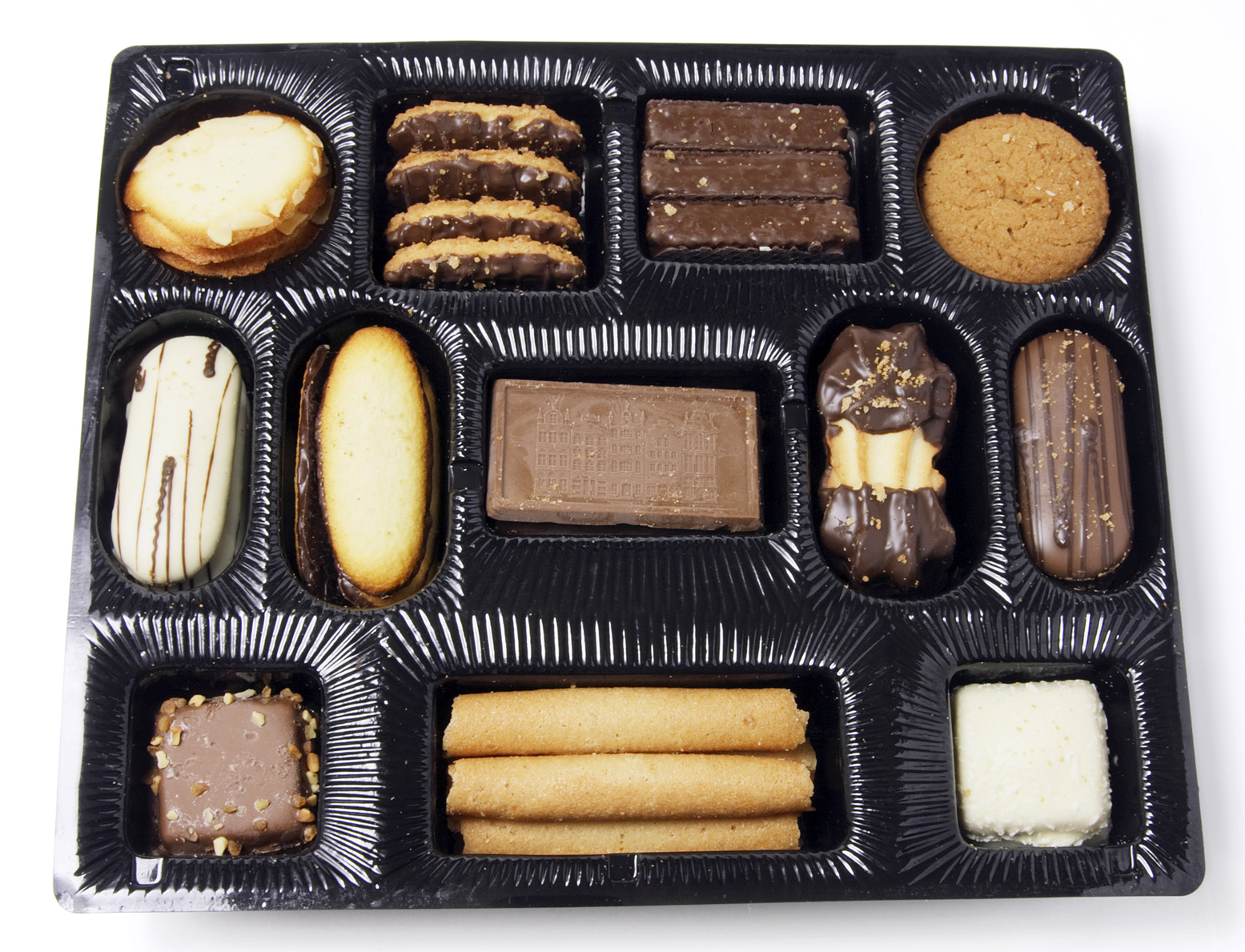
The first is called ‘shrinkflation’. It is defined as having less product in the same package or a smaller package for the same price. For example, reducing the number of chocolates in a tub, reducing the size of a can of beans, jar of coffee or block of butter, reducing the number of sheets in a toilet roll, or the length of a ride in a fairground or portion sizes in a restaurant or takeaway. A 2023 YouGov poll revealed that 75% of UK adults are either ‘very’ or ‘fairly’ concerned about shrinkflation. A similar poll in 2025 showed that this figure had increased to 80%. The product category with the greatest concerns was snack foods (e.g. crisps, confectionery items, nuts, etc.).1
The second form of hidden inflation is called ‘skimpflation’. This is defined as decreasing the quality of a product or service without lowering the price. Examples include cheaper ingredients in food or confectionery, such as using palm oil instead of butter, or reducing the cocoa content in chocolate or the meat content in sausages and pies, or package holidays reducing the quality of meals, or customer service centres or shops reducing the number of staff so that people have to wait longer on the phone or to be served.
The third is called ‘sneakflation’. This is similar to skimpflation but normally refers to reducing what you get when you pay for a service, such as a flight, by now charging for extras, such as luggage or food. Sometimes shrinkflation or skimpflation are seen as subsets of sneakflation.
 These practices have had a lot of publicity in recent months, with consumers complaining that they are getting less for their money. Many people see them as a sneaky way of passing on cost increases without raising the price. But the changes are often subtle and difficult for shoppers to spot when they are buying an item. Skimpflation especially is difficult to observe at the time of purchase. It’s only when people consume the product that they think that it doesn’t seem as good as it used to be. Even shrinkflation can be hard to spot if the package size remains the same but there is less in it, such as fewer biscuits in a tin or fewer crisps in a packet. People would have to check the weight or volume, while also knowing what it used to be.
If firms are legitimately passing on costs and are up-front about what they are doing, then most consumers would probably understand it even if they did not like it. It’s when firms do it sneakily that many consumers get upset. Also, firms may do it to increase profit margins – in other words, by reducing the size or quality beyond what is necessary to cover the cost increase.
Does the official rate of inflation take such practices into account?
 The answer is that some of the practices are taken into account – especially shrinkflation. The Office for National Statistics (ONS) accounts for shrinkflation by monitoring price changes per unit of weight or volume, rather than just the price. Data collectors track the weight, volume or count of item. When a product’s size is reduced, the ONS records this as a price increase in CPI or CPIH inflation statistics. This is known as a ‘quality adjustment’ process and allows the ONS to isolate price changes from product size changes. As CPI data from the ONS is used by the Bank of England in monitoring its 2% inflation target, it too is incorporating shrinkflation.
ONS quality adjustments are also applied to non-market public services, such as healthcare, education and policing to measure changes in service quality rather than just volume. This allows a more accurate measurement of productivity as it focuses on outcomes and user experience per pound spent rather than just focusing on costs.
Skimpflation is more difficult to monitor. The quality adjustment process may miss some quality changes and hence some skimpflation goes unrecorded. This means that the headline inflation rate might understate the true decline in purchasing power felt by consumers.
How extensive is hidden inflation?
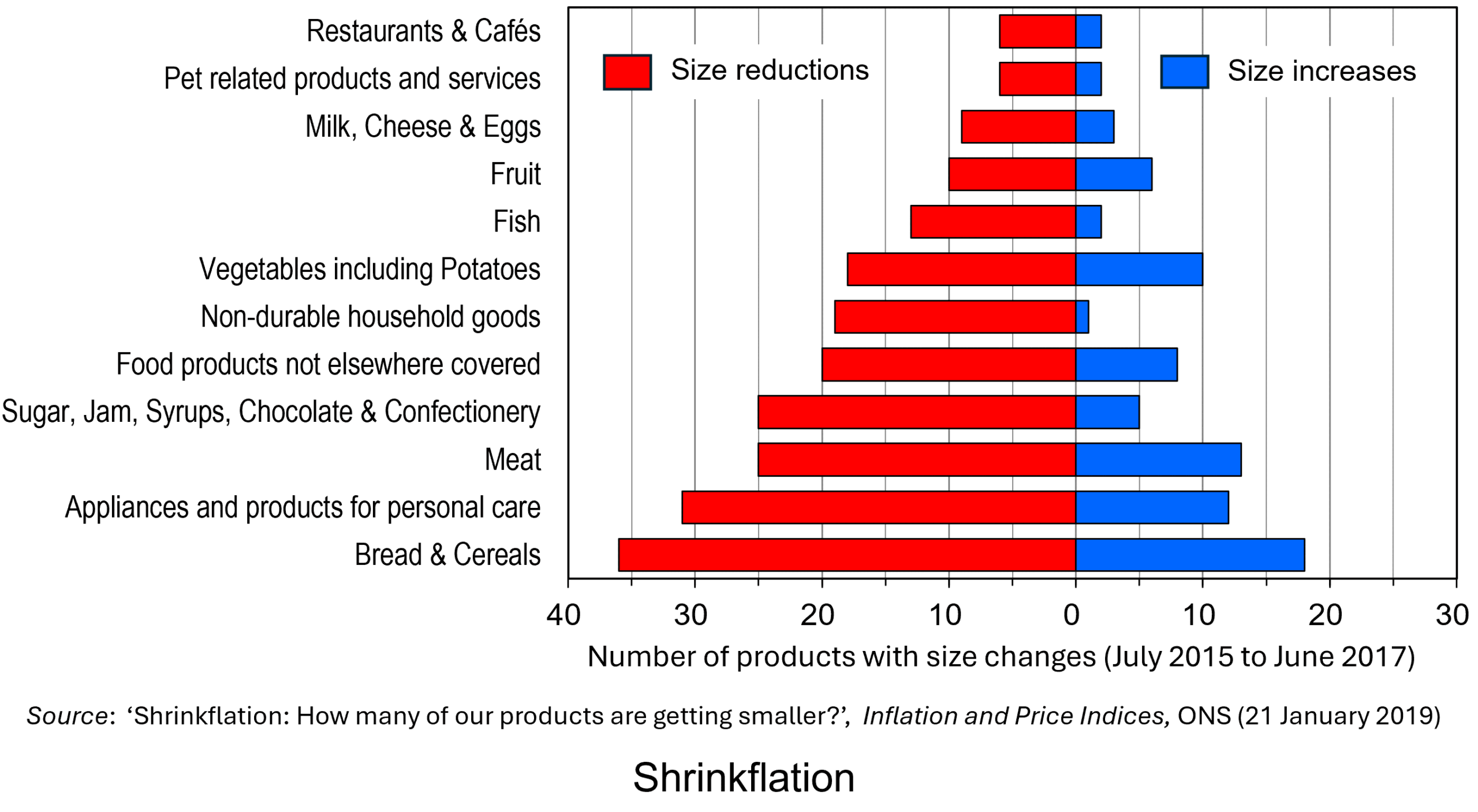
Despite public perception, shrinkflation has a relatively small impact on the headline CPI and CPIH inflation rate in the UK because it is largely confined to certain sectors, such as bread and cereals, personal care products, meat products, and sugar, jams, syrups, chocolate & confectionery. Nevertheless, in these sectors it is particularly prevalent, especially in the packaged foodstuffs and confectionery sector. The latest research by the ONS in 2019 covered the period June 2015 to June 2017 and is shown in the following figure.2
According to research in the USA by Capital One Shopping, some major brands reduced product sizes by over 30% in 2025 without reducing prices, with shrinkflation averaging 14.8% among selected national grocery brands.3 Shrinkflation had been observed by 74% of Americans at their grocery store. Of these, 81% took some kind of action as a result, with 48% abandoning a brand. Nevertheless, across all products, shrinkflation accounts for quite a small percentage of any overall price rises.
A US Government Accountability Office (GAO) report found that shrinkflation accounted for less than 1/10 of a percentage point of the 34.5% increase in overall consumer prices from 2019 to 2024.4 The reason is that the items that were downsized comprised a small percentage of goods and services. Indeed, many goods and services, such as housing, cannot be downsized in the same way that household products can.
Nevertheless, with consumer budgets being squeezed by the inflation that followed the pandemic and the Russian invasion of Ukraine, hidden inflation has become more prevalent in many countries and an increasing concern of consumers.
References
- Shrinkflation concern rises in 2025, but fewer Britons are changing shopping habits
YouGov (15/8/25)
- Shrinkflation: How many of our products are getting smaller?
Office for National Statistics (21/1/19)
- Shrinkflation Statistics
Capital One Shopping (30/12/25)
- What is “Shrinkflation,” And How Has It Affected Grocery Store Items Recently?
U.S. Government Accountability Office (12/8/25)
Videos
Articles
- Shrinkflation: How many of our products are getting smaller?
Office for National Statistics (21/1/19)
- Shrinkflation: Inflation hiding in plain sight
Britannica Money, Doug Ashburn (21/7/25)
- Shrinkflation: the brands charging you more for less
Which?, Ellie Simmonds (28/10/25)
- 7 Surprising Ways Inflation Is Still Rising Even as Prices Slow This Year
SavingAdvice.com, Teri Monroe (3/2/26)
- 22 Real-Life Examples Of Shrinkflation That People Have Spotted In The Last Few Weeks That Are Honestly Infuriating
BuzzFeed, Megan Liscomb (10/12/25)
- Shrinkflation: smaller products hurt some households more than others – and can be bad for business
The Conversation, Erhan Kilincarslan (14/1/26)
- Shoppers brand the UK “a disgrace” as Cadbury Mini Egg prices rise by 105% on pre-pandemic levels
Food Manufacture, Thomas West (6/1/26)
- This article is more than 3 months old Shrinkflation hits everyday staples, piling more pressure on households
The Guardian, Sarah Marsh and Sarah Butler (28/12/25)
- Shrinkflation isn’t slowing down — It’s just getting harder to spot
ConsumerAffairs, Kyle James (13/1/26)
- Shrinkflation – are brands and supermarkets required to inform consumers if a product has been reduced in size or quantity but the packaging looks the same?
CMS Law-Now, Loïc de Hults and Tom Heremans (25/9/25)
- Study reveals shrinking package sizes hide significant food inflation
Phys.org, Aaron Kupec (28/1/26)
Journal Article
Questions
- If shrinkflation, when included in CPI statistics, accounts for such a small percentage of inflation, why are people so concerned about it?
- From a company’s perspective, is it a good idea to engage in (a) shrinkflation; (b) skimpflation?
- Go round you local supermarket and identify examples of shrinkflation and skimpflation.
- How are various EU countries attempting to inform consumers of shrinkflation?
- Why is skimpflation often harder to detect than shrinkflation?
- Give some other examples of sneakflation in the provision of services.
- How could behavioural economists help firms decide whether or how to engage in shrinkflation or skimpflation?
 The approach towards mergers remains the most controversial area of competition policy. Some argue that policy makers in both the UK and EU have been too easily persuaded by the arguments put forward by firms and so have allowed too many mergers to proceed. Others claim that the opposite is true and that merger policy has prohibited mergers that should have been allowed to proceed. This, then, has a negative impact on investment, innovation, productivity and growth.
In recent years there has been more specific criticism of merger policy in the UK. The government has indicated that it wants the Competition and Markets Authority (CMA) to be less interventionist and take a more pro-growth approach.
 In February 2025, in response to this criticism, the CMA launched its new ‘4 Ps’ approach to merger policy: Pace, Predictability, Proportionality and Process. Various changes to the investigation process have been proposed in the past 12 months using this framework.
Pace. The time taken by the CMA to initially assess a merger before deciding whether a Phase 1 investigation is necessary (i.e. the pre-notification procedure) was reduced from 65 to 40 working days. Also, the target to complete straightforward Phase 1 investigations was reduced from 35 to 25 days.
Predictability. The proposed merger guidelines, published in October 2025, provide more detail on (a) what criteria will be used to measure market shares when applying the ‘share of supply test’ (this is where the combined UK market share of two merging businesses is at least 25%, provided one business has a UK turnover of at least £10 million), and (b) the factors that are likely to lead to the competition authorities concluding that one business has gained ‘material influence over another’. Businesses had complained that there was too much uncertainty about the way the share of supply test and material influence were applied. The CMA is also considering greater alignment with other international regulators over decision making rather than its previous policy of acting independently. All these measures should increase the predictability of the investigation process.
 Proportionality. Proportionality refers to the objective of addressing any competition issues in merger cases in a way that places the minimum burden on the businesses involved. To improve proportionality, the CMA has indicated that in future cases it will be more willing to use behavioural remedies – requiring firms to take or desist from certain actions. New draft guidelines identify more situations where the use of behavioural remedies may be appropriate. However, they also show that the CMA still views structural remedies (e.g. preventing the merger or requiring firms to demerge or to sell certain assets) as more effective in many situations. Another important measure to improve proportionality is the introduction of a new ‘wait and see’ approach to global mergers. The CMA will now wait to see if the actions taken by other competition authorities in global cases address any concerns in the UK market before deciding whether to launch a review.
Process. To improve the process, the CMA has announced plans to engage with businesses at a much earlier point in the process. For example, it has pledged to share its provisional thinking in the early stages of an investigation by implementing new ‘teach-in’ sessions and having more regular update meetings. Much earlier meetings that focus on possible remedies will also take place. This may make it possible for the CMA to assess the suitability of more complex remedies during a Phase 1 investigation rather than having to wait for a longer and more costly Phase 2 review. Phase 2 reviews will also no longer be managed by panels of independent experts. This role will now be carried out by the internal CMA board.
Some critics argue that the CMA has not fully considered the potential benefits of mergers in many cases. For example, a merger could (a) have procompetitive effects, known as rivalry enhancing efficiencies (REEs) and/or (b) benefits for consumers outside of the relevant market, known as relevant customer benefits (RCBs). In response to this criticism, the CMA is currently reassessing its approach to including evidence on REEs and RCBs.
The CMA is still currently consulting with interested parties about many of these proposed changes. It will be interesting to see what final decisions are made in the next couple of years.
Articles
- CMA consults on proposed changes to its merger remedies approach
CMA Press Release (15/10/25)
- New CMA proposals to drive growth, investment and business confidence
CMA Blog, Sarah Cardell (CMA Chief Executive) (13/2/25)
- Promoting competition and protecting consumers to drive growth and improve household prosperity
CMA Speech, Sarah Cardell (20/11/25)
- Steering the course: how the CMA is responding to the Government’s pro-growth agenda
Macfarlanes (21/2/25)
- 4Ps and 3 themes – An overview of the CMA’s merger remedies review
Hogan Lovells, Angus Coulter, Alice Wallace-Wright, Karman Gordon, and Denise Hotham-Kellner (1/4/25)
- CMA publishes updated guidance on UK merger procedure
Ashurst, Christopher Eberhardt, Emile Abdul-Wahab and Finlay Sadler-Wilson (11/11/25)
- Government ousts UK competition watchdog chair
BBC News, Simon Jack and Charlotte Edwards (21/1/25)
- UK competition watchdog drops Microsoft-OpenAI probe
BBC News, Imran Rahman-Jones (5/3/25)
- Does the government really know what it wants from the CMA?
The Guardian, Nils Pratley (13/2/25)
- This article is more than 9 months old ‘We must avoid a chilling effect’: the CMA chief on the UK’s pro-growth shift
The Guardian, John Collingridge (18/2/25)
- The CMA should be nudged on antitrust, not bullied
The Financial Times, John Gapper (6/2/25)
CMA documentation
Questions
- Of all the mergers considered by the CMA in 2024/25, find out what percentage were formally investigated. How many were blocked from taking place? Do you believe that this indicates that merger policy is too weak or too strong?
- What three criteria must be met for a business arrangement to be classed as a ‘relevant merger situation’ by the CMA?
- Identify some different methods that one business could use to gain material influence over the way another company operates.
- Outline the ‘turnover test’, the ‘share of supply test’ and the ‘hybrid test’.
- Discuss the potential advantages of using behavioural remedies as opposed to structural remedies in merger cases. Why has the CMA still preferred the use of structural remedies in most situations?
 In my previous blog post on this site, I examined how AI-powered pricing tools can act as a ‘double-edged sword’: offering efficiency gains, while also creating opportunities for collusion. I referred to one of the early examples of this, which was the case involving Trod Ltd and GB Eye, where two online poster and frame sellers on Amazon used pricing algorithms to monitor and adjust their prices. However, in this instance there was also an explicit agreement between the firms. As some commentators put it, it was ‘old wine in new bottles‘, meaning a fairly conventional cartel that was simply facilitated through digital tools.
Since then, algorithms have increasingly become part of everyday life and are now embedded in routine business practice.
Some of the effects may have a positive effect on competition. For example, algorithms can help to lower barriers to entry. In some markets, incumbents benefit from long-standing experience, while new firms face significant learning costs and are at a disadvantage. By reducing these learning costs and supporting entry, algorithms could contribute to making collusion harder to sustain.
On the other hand, algorithms could increase the likelihood of collusion. For example, individual algorithms used by competing firms may respond to market conditions in predictable ways, making it easier for firms to collude tacitly over time.
Algorithms can also improve the ability of firms to monitor each other’s prices. This is particularly relevant for multi-product firms. Traditionally, we might expect these markets to be less prone to collusion because co-ordinating across many products is complex. AI can overcome this complexity. In the Sainsbury’s/Asda merger case, for example, the Competition and Markets Authority suggested that the main barrier to reaching and monitoring a pricing agreement was the complexity of pricing across such a wide range of products. However, the CMA also suggested that technological advances could increase its ability to do so in the future.
The ‘hub-and-spoke’ model
 One of the other growing concerns is the ability of AI pricing algorithms to facilitate collusion by acting as a ‘hub’ in a ‘hub-and-spoke’ arrangement. In this type of collusion, competing firms (the ‘spokes’) need not communicate directly with one another. Instead, the ‘hub’ helps them to co-ordinate their actions.
While there have been only limited examples of an AI pricing algorithm acting as a hub in practice, what once seemed to be a largely theoretical concern has now become a live enforcement issue.
A very recent example is the RealPage case in the United States. The Department of Justice (DOJ) filed an antitrust lawsuit against RealPage Inc. in August 2024, alleging that RealPage, acting as the ‘hub’, facilitated collusion between landlords (the ‘spokes’).
RealPage provided pricing software to numerous landlords, including the largest landlord in the USA, which manages around 950 000 rental units across the country. These landlords would normally compete independently in setting rental prices, discounts and lease terms to win consumers. However, by feeding competitively sensitive information that would not usually be shared between rivals into RealPage’s system, the software generated pricing recommendations that, according to the DOJ, led to co-ordinated rent increases across competing apartment complexes.
I n the RealPage case, the authorities reported that they had access to internal documents and statements from the parties involved, which helped support their allegations. These included references within RealPage to helping landlords ‘avoid the race to the bottom’ and comments from a landlord describing the software as ‘classic price fixing’.
Evidence in these cases really matters because the standard of proof required to establish a hub-and-spoke arrangement is much higher than for traditional cases of explicit collusion. This is because it can be difficult to distinguish between legitimate and anti-competitive communication between retailers and suppliers. Also, proving ‘anti-competitive intent’ is inherently challenging.
Other competition authorities around the world are also turning their attention to these issues. For example, the European Commission recently announced that a number of investigations into algorithmic pricing are underway, signalling a clear shift toward more active scrutiny. As technology continues to advance, it is clear that algorithmic pricing will remain an area where both firms and authorities must move and adapt quickly.
Articles
Questions
- In what ways does the RealPage case differ from the earlier Trod Ltd and GB Eye Ltd case? Consider the roles played by the firms, the nature of the alleged co-ordination, and the extent to which pricing algorithms were used to facilitate the conduct.
- How might the use of pricing algorithms affect the likelihood of firms colluding, either explicitly or tacitly? Consider ways that algorithms may make collusion easier to sustain but also ways in which they may reduce its likelihood.
- Should firms be held liable for anti-competitive outcomes produced by algorithms that ‘self-learn’, even if they did not intend those outcomes? Explain why or why not.
 Is Trump playing chicken with Iran?