 Wes Streeting and Andy Burnham are seeking to become UK Prime Minister in a challenge to Keir Starmer. They have both responded to an essay by Tony Blair, former Labour Prime Minister, where he argued that current Labour policies were holding back business. But the essay never mentioned inequality. According to Burnham and Streeting, inequality and the related issue of poverty are fundamental to the crises facing society in western democracies. Countries’ economic success is typically measured in terms of growth in GDP. But when the benefits of growth go largely to those at the top of the income scale, while people on lower incomes struggle to make ends meet, this feeds resentment. Populist politicians stoke such resentment and offer simplistic solutions, such as protectionism, blaming outsiders and promising a return to better times.
But just what has happened to inequality over recent years and has poverty deepened? How are inequality and poverty affecting people’s lives and what is the impact on the economy? And what policies should governments follow to tackle the problem?
Income inequality
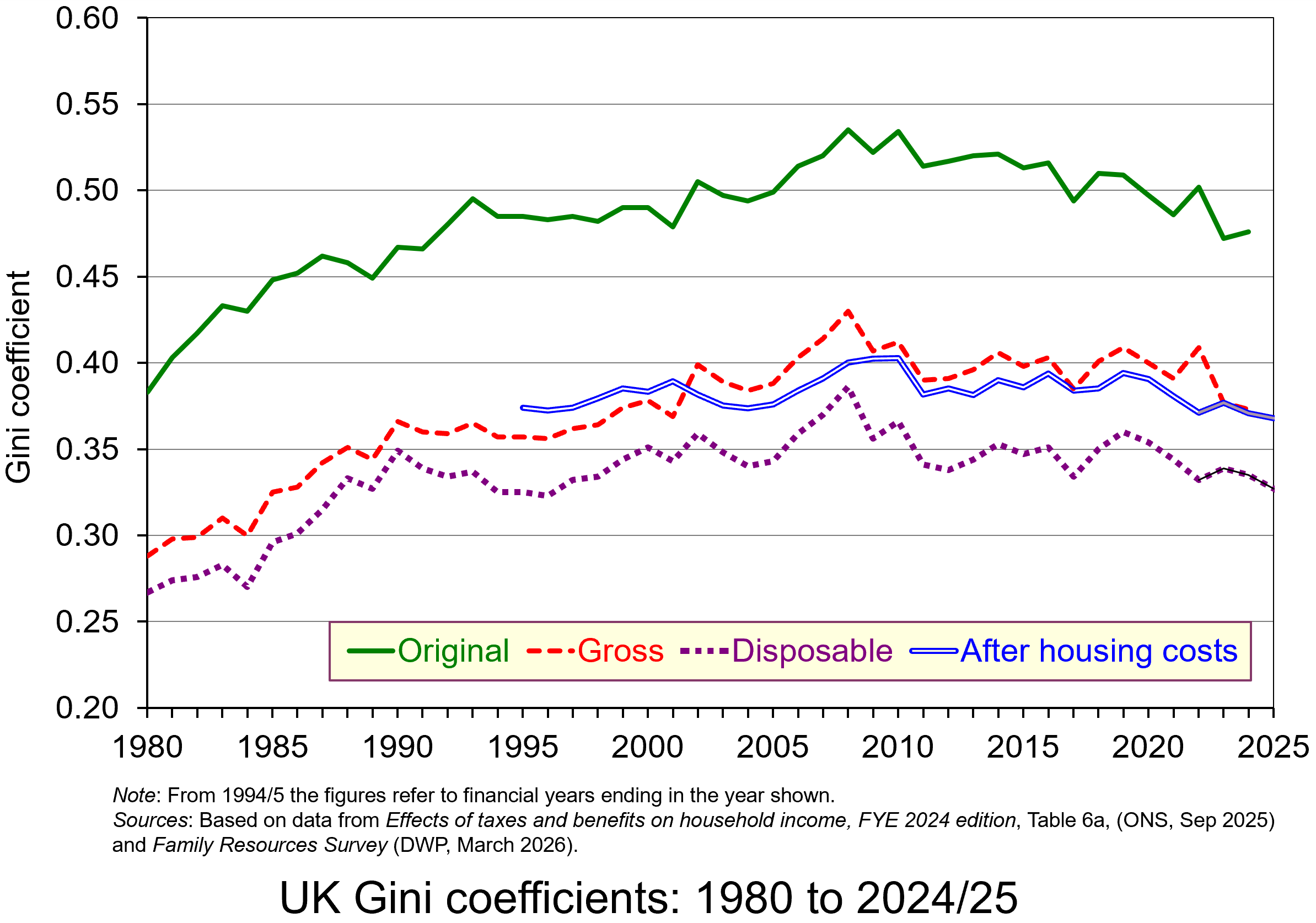 The chart shows UK inequality as given by the Gini coefficient, where 1 represents complete inequality, with one person earning the whole of national income and 0 represents perfect equality, with everyone earning the same. The higher the figure, therefore, the greater the inequality. As you can see, inequality is greatest when looking at original income – that is, income before taxes and benefits. Gross income includes benefits, and disposable income is income after both benefits and taxes. You can see that both benefits and taxes reduce inequality. When we take housing costs into account with the disposable income measure, however, inequality increases.
The chart shows that income inequality rose until the early 2000s, since when there have been only slight changes, although there has been a small decline recently.
The UK has higher income inequality than most high-income countries, although it is not as high as in the USA. It is sixth most unequal of the 38 OECD countries and the most unequal OECD member in Europe.
Globally, in 2025, the top 10% of the world’s population earned 53% of global income, while the bottom half earned just 8%. The reports listed below provide data and analysis on UK and global inequality.
Wealth inequality
 When we turn to wealth, inequality in the UK is even greater. The richest 10% of households hold around 41% of wealth, while the poorest 50% hold just under 10%. The Gini coefficient is around 0.6. This has been drive by a rise in property and share prices and the system of inheritance whereby family wealth can accumulate over the generations.
Globally, the top 10% of the world’s population held 75% of global wealth in 2025, whereas the bottom 50% held just 2%. And a tiny group of people – the top 0.001% of the adult population (about 56,000 individuals) – held about 6% of global wealth, up from 4% in 1995. Such extreme wealth inequality has thus increased.
Inequality and poverty
 There is no single measure of poverty. It could be measured in terms of basic needs. Here poverty would be where a person is unable to afford basic food, shelter, heating and lighting, clothing, footwear and basic toiletries. Normally, however, it is measured in relative terms. A typical measure, and one used by the Joseph Rowntree Foundation, is based on a proportion of median income. Poverty is defined as income below 60% of the median income, with deep poverty below 50% and very deep poverty below 40%.
In 2023/24, 14.2 million people were in poverty (20% of the population), of whom around 4.5 million were children. Of the 14.2 million, 6.8 million people (nearly half) were in very deep poverty,
 Causes of poverty include one or more of the following: low skills or education, low pay, unemployment, inadequate benefits or a benefit system that is confusing or difficult to access, chronic sickness, disability, unavailability or cost of suitable housing, discrimination, a breakdown of personal relationships, substance abuse, abuse from others, a criminal record. Once in poverty, it becomes difficult to escape as people become deskilled, demotivated and judged by society.
But even if people are not earning less than 60% of median income, they can still struggle to escape inequality. Many people have low skills; many routine jobs are being replaced by automation or AI; many graduates face high debts; people struggle to get on the housing ladder; the rising cost of basic items dampens real incomes, especially of the low paid; people may face discrimination of various sorts; people do not have an option of joining a union in their workplace; people may have a large number of dependants.
The policy agenda
If inequality rises up the political agenda in the UK, especially with a potential leadership race in the Labour party, what might politicians focus on? The government has already done the following:
- It has raised the minimum wage (the ‘National Living Wage’) substantially from £10.42 in 2023/24 to £11.44 in 2024/25, to £12.21 in 2025/26 and lowered the age limit from 23 to 21. There have been larger percentage rises for 18–20 year-olds and those under 18.
- The two-child limit to the child benefit element in Universal Credit has been scrapped and so now parents are eligible for benefits for all children.
- The Employment Rights Act has ended exploitative zero-hour contracts by providing rights to guaranteed hours.
- It has expanded free school meal entitlements.
- It has capped Universal Credit debt deductions at 15% of increased incomes (down from 25%) to help the poorest households retain more of their monthly income.
- It has expanded free school meals and made more money available for free nursery place.
- Landlords can no longer evict tenants for no reason; they must have a valid reason such as wanting to sell the property or severe rent arrears.
- Landlords cannot increase rents more than once per year and tenants can appeal excessive or above-market rent increases to an independent tribunal.
But despite these policy measures, many claim that they will do too little to tackle inequality and poverty. Some on the left argue that taxes on property and other forms of wealth will be required to tackle wealth inequality. Others argue that more emphasis on education and training is necessary to provide workers with the skills to earn more in the labour market. Others argue for greater expenditure on public services.
Generally, however, measures to tackle inequality and poverty require government expenditure, which must be funded. This is why many on the centre left argue that economic growth is a necessary condition for any significant redistribution. It is, they argue, the best way of providing the tax revenue to fund redistribution.
Incentives and disincentives
 Many on the right argue that redistributing incomes through higher taxes and benefits will act as a disincentive to work and to invest. As we argue in Essentials of Economics, higher income taxes could discourage people from working and investing; higher wealth taxes could discourage people from saving and investing.
The key to analysing these arguments is to distinguish between the income effect and the substitution effect of raising taxes. Raising income tax does two things.
- It reduces disposable incomes. People therefore are encouraged to work more in an attempt to maintain their consumption of goods and services. This is the income effect. ‘I have to work more to make up for the higher taxes’, a person might say.
- It reduces the opportunity cost of leisure. Since higher income taxes reduce take-home pay, an extra hour taken in leisure now involves a smaller sacrifice in consumption. Thus people may substitute leisure for consumption, and work less. This is called the substitution effect. ‘What is the point of doing overtime’, another person might say, ‘if so much of the overtime pay is going in taxes?’
The relative size of the income and substitution effects is likely to differ for different types of people. For example, the income effect is likely to dominate for those people with a substantial proportion of long-term commitments, such as those with families, with mortgages and other debts. They may feel forced to work more to maintain their disposable income. Clearly for such people, higher taxes are not a disincentive to work. The income effect is also likely to be relatively large for people on higher incomes, for whom an increase in tax rates represents a substantial cut in income.
The substitution effect is likely to dominate for those with few commitments: those whose families have left home, the single, and second income earners in families where that second income is not relied on for ‘essential’ consumption. A rise in tax rates for these people is likely to encourage them to work less.
Although high income earners may work more when there is a tax rise, they may still be discouraged by a steeply progressive tax structure. If they have to pay very high marginal rates of tax, it may simply not be worth their while seeking promotion or working harder.
What those on the centre and left argue is that tackling inequality and poverty requires more than just changing the tax and benefits system. What is required is policies that encourage greater upward social mobility, greater social cohesion and greater expenditure on infrastructure that will support the poor, such as greater expenditure on education and training, on support for very young children, on preventative healthcare, on social housing and on local public transport.
Articles
- Burnham and Streeting accuse Blair of ignoring inequality as they hit back at ex-PM
BBC News, Brian Wheeler and Richard Wheeler (27/5/26)
- Streeting and Burnham accuse Blair of failing to confront inequality in Labour criticism
The Guardian, Jessica Elgot (27/5/26)
- Alan Milburn is right, a young generation has been betrayed. Forget Tony Blair: we must attend to this
The Guardian, Polly Toynbee (28/5/26)
- Blair wants to leave our future to the markets. I believe democracy can still shape our lives for the better
The Guardian, Wes Streeting (27/5/26)
- New evidence on international inequality of opportunity – how does the UK rank?
The Sutton Trust, Opinion, Esme Lillywhite (25/9/25)
- Sorry, comrade Burnham. Inequality is a good thing
Telegraph on archive.today, Luke Johnson (29/5/26)
- Why America’s rich keep getting richer
CNN, David Goldman (29/5/26)
- Concern about inequality is not mere envy
LSE blogs, David Lay Williams (13/1/26)
- Are new technologies fuelling wage inequality? Evidence from Spain
LSE blogs, Raquel Sebastián, Pedro Salas-Rojo, Juan César Palomino and Juan Gabriel Rodríguez (24/3/26)
- 56,000 people own three times more wealth than half of humanity
LSE blogs, Ricardo Gómez-Carrera (12/5/26)
- The broad economic impact of inequality
Harvard Institute for Business in Global Society, Drew Keller and Susan Milligan (8/7/25)
- The New Inequality
Substack, Paul Krugman (31/5/26)
- Global Justice Report: the World Inequality Lab maps a path to €5,000-a-month average incomes for all countries within +1.8°C of warming
World Inequality Lab (4/6/26)
- ‘An equal and habitable world is possible’: academics set out sweeping vision for planetary survival
The Guardian, Jonathan Watts (4/6/26)
Reports
- Living standards, poverty and inequality in the UK
Institute for Fiscal Studies (26/3/26)
- Are fewer people living in poverty than previously thought?
Institute for Fiscal Studies, Jed Michael, Sam Ray-Chaudhuri and Tom Wernham (26/3/26)
- Income inequality in the UK
House of Commons Library, Brigid Francis-Devine (14/5/26)
- The Scale of Economic Inequality in the UK
Equality Trust
- Causes of inequality
Equality Trust
- UK Poverty 2026
Joseph Rowntree Foundation (27/1/26)
- Households Below Average Income: An analysis of the UK income distribution: FYE 1995 to FYE 2025
Department for Work & Pensions (26/3/26)
- Household income inequality, UK: financial year ending 2024
ONS (2/5/25)
- Unequal Chances: Children and economic inequality
UNICEF Innocenti (May 2026)
- To Have and Have Not – How to Bridge the Gap in Opportunities
OECD (22/9/25)
- World Inequality Report 2026
World Inequality Lab, Lucas Chance, Ricardo Gómez-Carrera (Lead Author), Rowaida Moshrif and Thomas Piketty
- The Global Justice Report
World Inequality Lab, L Chance, C Mohren, R Moshrif, M Odersky, T Piketty, A Somanchi, et al (4/6/26)
Data
Questions
- Is the UK becoming more or less equal? Does the answer depend on how inequality is measured?
- Is the world becoming more or less equal?
- Summarise the arguments against redistributing incomes from the rich to the poor.
- Summarise the arguments in favour of redistributing incomes from the rich to the poor.
- Explain the income and substitution effects of making income tax more progressive.
- How is the greater adoption of AI likely to affect income distribution?
- How does social mobility affect income distribution? What measures can be adopted to increase social mobility?
- Compare the relative merits and problems of raising income taxes, wealth taxes and expenditure taxes as means of redistributing incomes more equally.
 With relentless bombing of Iran by Israel and the USA, and with Iranian counterattacks on Gulf states, the costs of the war are mounting. The most obvious are in terms of human lives, injuries and suffering. But there are significant economic costs too. Some of these are immediate, such as the rising price of oil and hence the costs of fuel, or the fall in stock market prices. Some will be longer term, depending on how the war develops. For example, prices could rise more generally as supply chains are disrupted.
 The impacts will vary across the world and across markets. The most obvious markets to be affected are those where significant supply comes from the Persian Gulf. Approximately 20% of total global oil consumption passes through the Strait of Hormuz, which connects the Persian Gulf with the Arabian Sea and the Indian Ocean.
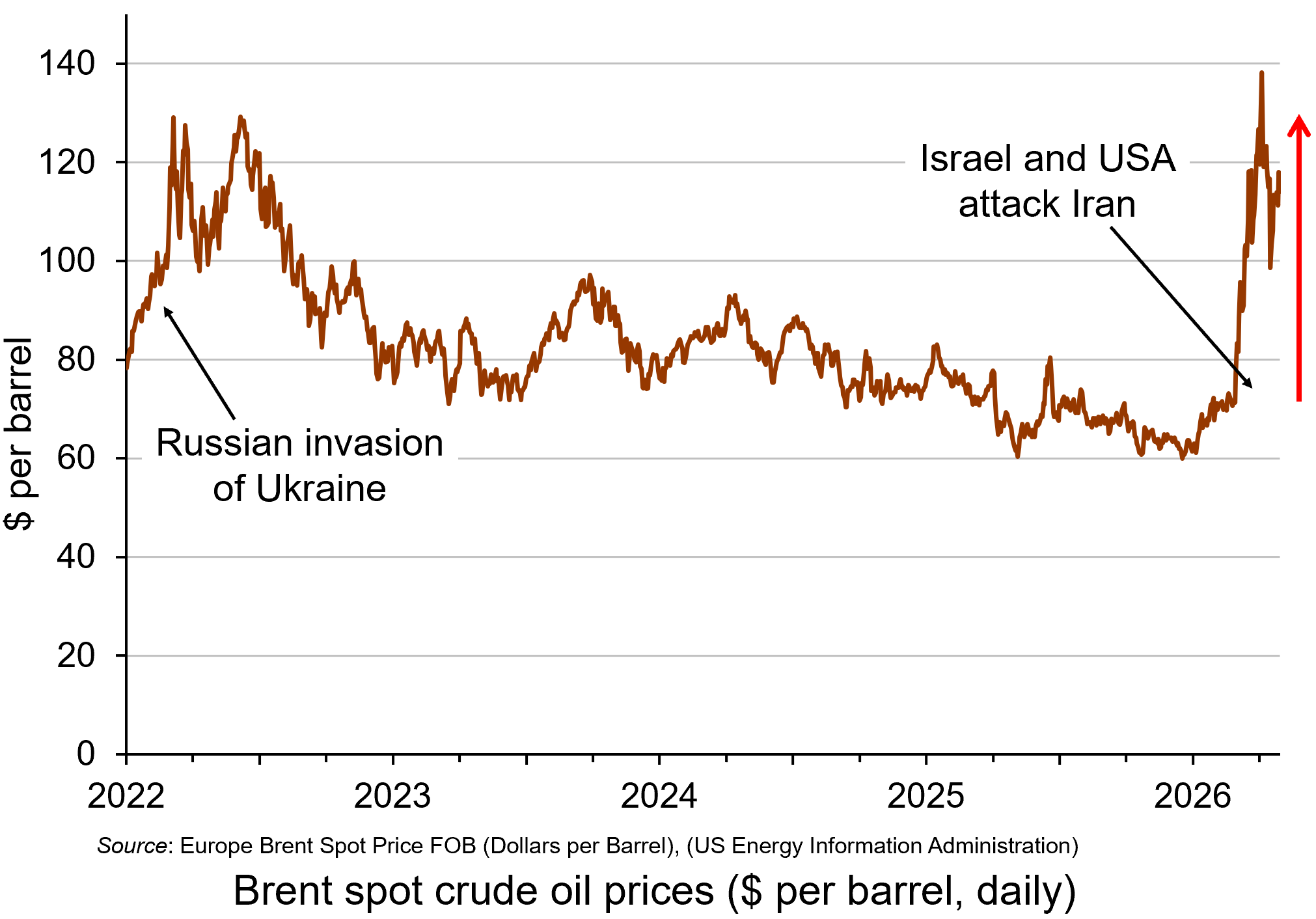
Oil prices rose considerably in the days following the start of the war on 28 February, with Brent crude, a key measure of international oil prices, rising from $71.3 on 27 February to a peak of $119.4 per barrel by the morning of 9 March – a rise of 67%. It was possible that they would rise even further in the short term. However, prices fell back substantially later on 9 March after G7 finance ministers declared that the group ‘stands ready’ to release oil from strategic reserves if needed. By late in the day, the price had fallen to below $85. (Click here for a PowerPoint of the chart.)
However, despite the announcement on 11 March that 32 countries had agreed to release 400m barrels of oil reserves, oil prices began rising again and reached $100 on 12 March after three tankers had been struck in the Gulf, two of them close to the Strait of Hormuz. With Iran pledging to keep the Strait closed, there were worries that the release of oil reserves would provide only temporary relief. Just over 20m barrels of oil normally pass through the Strait of Hormuz. The 400m barrels released from storage is the equivalent, therefore, of only 20 days’ worth of lost oil from the Gulf.
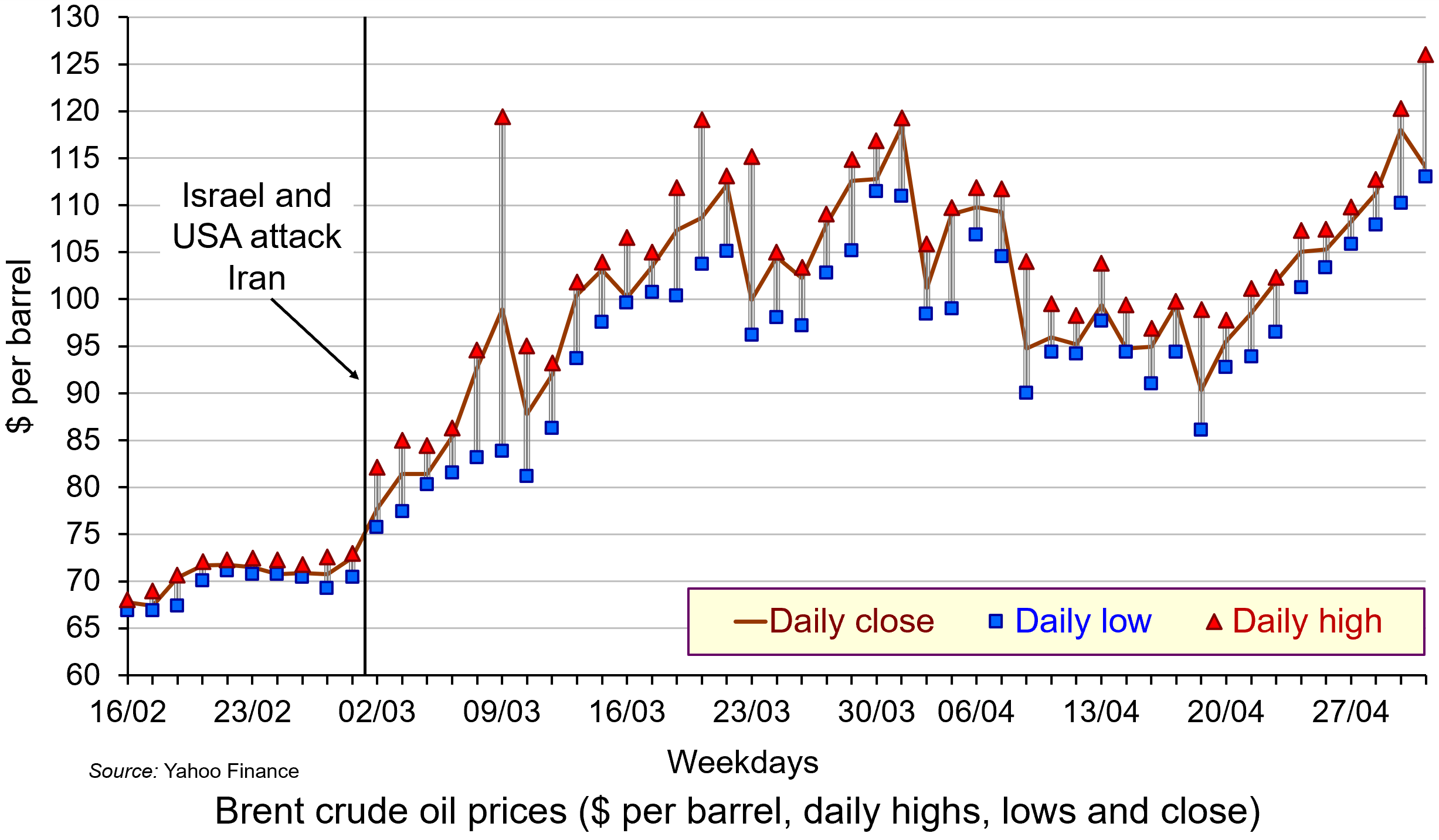
Not only did oil prices rise, but the price became much more volatile as markets reacted to the news on a continuous basis. Intra-day fluctuations in oil prices of several percentage points became typical, reflecting shifting expectations. The second chart shows daily fluctuations, with the highest and lowest prices for each day shown, along with the closing price. (Click here for a PowerPoint.)
The biggest fluctuation had been on 9 March when fears of the closing of the Strait of Hormuz saw the price of Brent crude rising to nearly $120 but falling to around $84 later in the day (a fall of around 30%) after the G7 announcement about releasing reserves.
There was another big fluctuation on 23 March. The previous day (Sunday), President Trump threatened to bomb Iran’s power plants if Iran did not allow free passage of ships through the Strait of Hormuz. Iran threatened to retaliate by striking Gulf countries’ energy and water systems. In early trading on Monday 23rd, Brent crude rose to over $115 per barrel. But later that day, Trump said that there had been constructive talks between the USA and Iran. The oil price immediately dropped to around $96 – a fall of 17% – before settling at around $100.
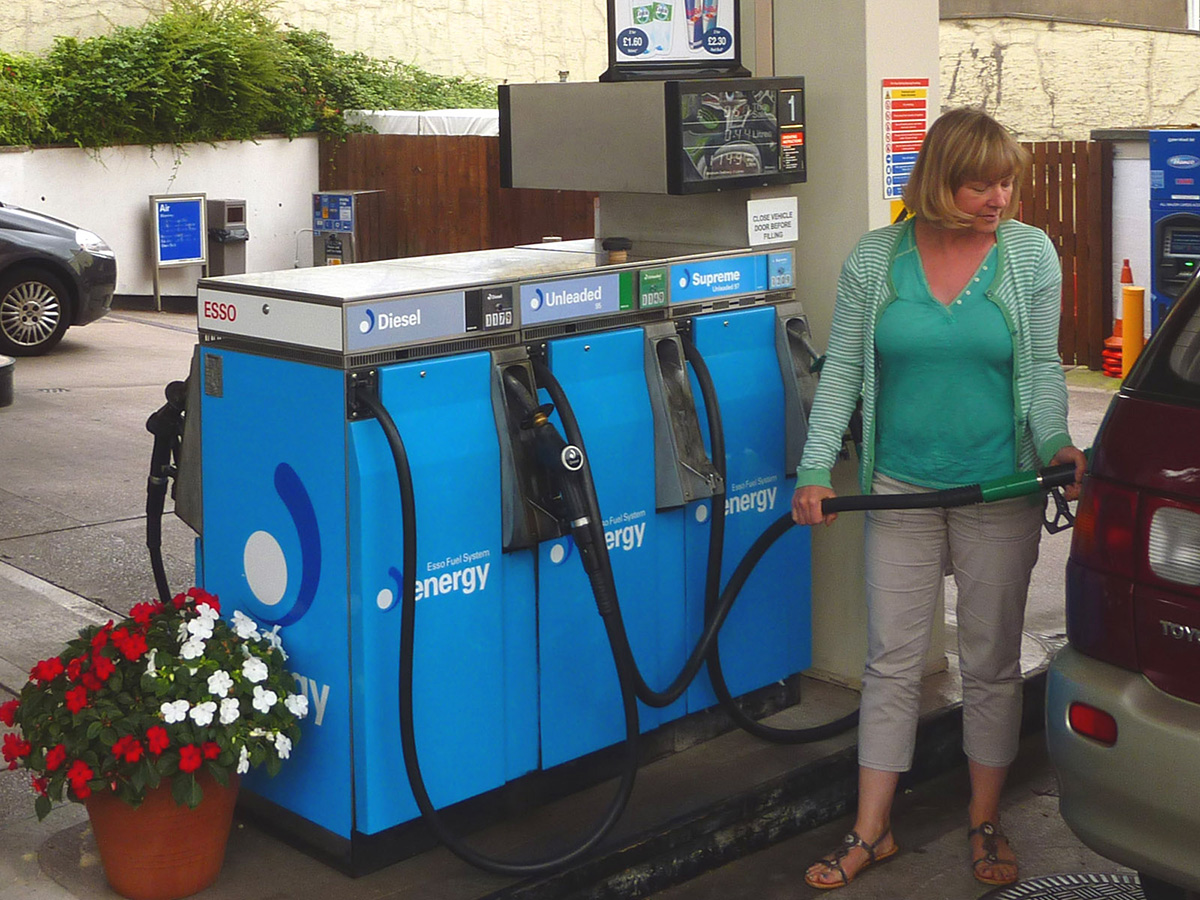 Rising oil prices will drive up inflation. For those countries with a heavy dependence on Gulf oil, particularly countries in Asia, there could be significant supply problems. For oil exporters in the Persian Gulf, with tankers unable to traverse the Strait of Hormuz, the economic impact is huge. Oil exporters outside the Gulf, such as Russia, Norway and Canada, however, will gain from the higher prices. Clearly the size of these effects will depend on how long the conflict continues and how long the Strait of Hormuz remains closed.
And it is not just oil that is affected. Other products, such as liquified natural gas (LNG), petrochemicals, industrial materials, fertilizers for food production, medicines, helium for microchip production, metals and minerals are transported through the Strait of Hormuz. Gulf countries import much of their food through the Strait. On 18 March, Israel struck Iran’s huge South Pars gas field off the Gulf coast. This is the largest gas field in the world and is a major source of export revenue for Iran. Iran responded by striking the Qatari gas hub in Ras Laffan. Donald Trump responded by threatening to ‘blow up’ the entire Iranian South Pars gas field if Iran made further strikes on Qatar. The effect of this escalation was to drive oil and gas prices up further. By the week ending 20 March, the oil price closed at just over $112 per barrel.
Cuts in supplies of oil and other products represent an adverse supply shock. Such shocks push up prices (cost-push inflation), while adversely affecting aggregate output. This can lead to stagflation – a combination of higher inflation and stagnation or even falling output. Central banks with a simple mandate to keep inflation to a target are likely to raise interest rates, or at least delay in reducing them. In the USA, with a dual mandate of controlling inflation but also maximising employment, the response may be less deflationary, depending on the judgement of the Federal Reserve.
Uncertainty
 There is great uncertainty about how long the conflict will last. There is also a lack of clarity and consistency from the US administration about its war aims. This uncertainty has affected financial markets, which have seen considerable volatility. Stock markets have seen widespread falls, with airline, travel and AI-heavy stocks being particularly vulnerable.
If the war is concluded relatively swiftly, the economic effects could be relatively small. If the war continues, and especially if the Gulf countries are drawn further into the conflict and if the conflict spreads to other countries, the economic effects could be much more substantial. A prolonged conflict could see oil prices remaining above $100 per barrel, potentially increasing global inflation by 1 percentage point or more. This would slow or halt the move by central banks to cut rates and thereby reduce global economic growth – potentially, as we have seen, leading to stagflation.
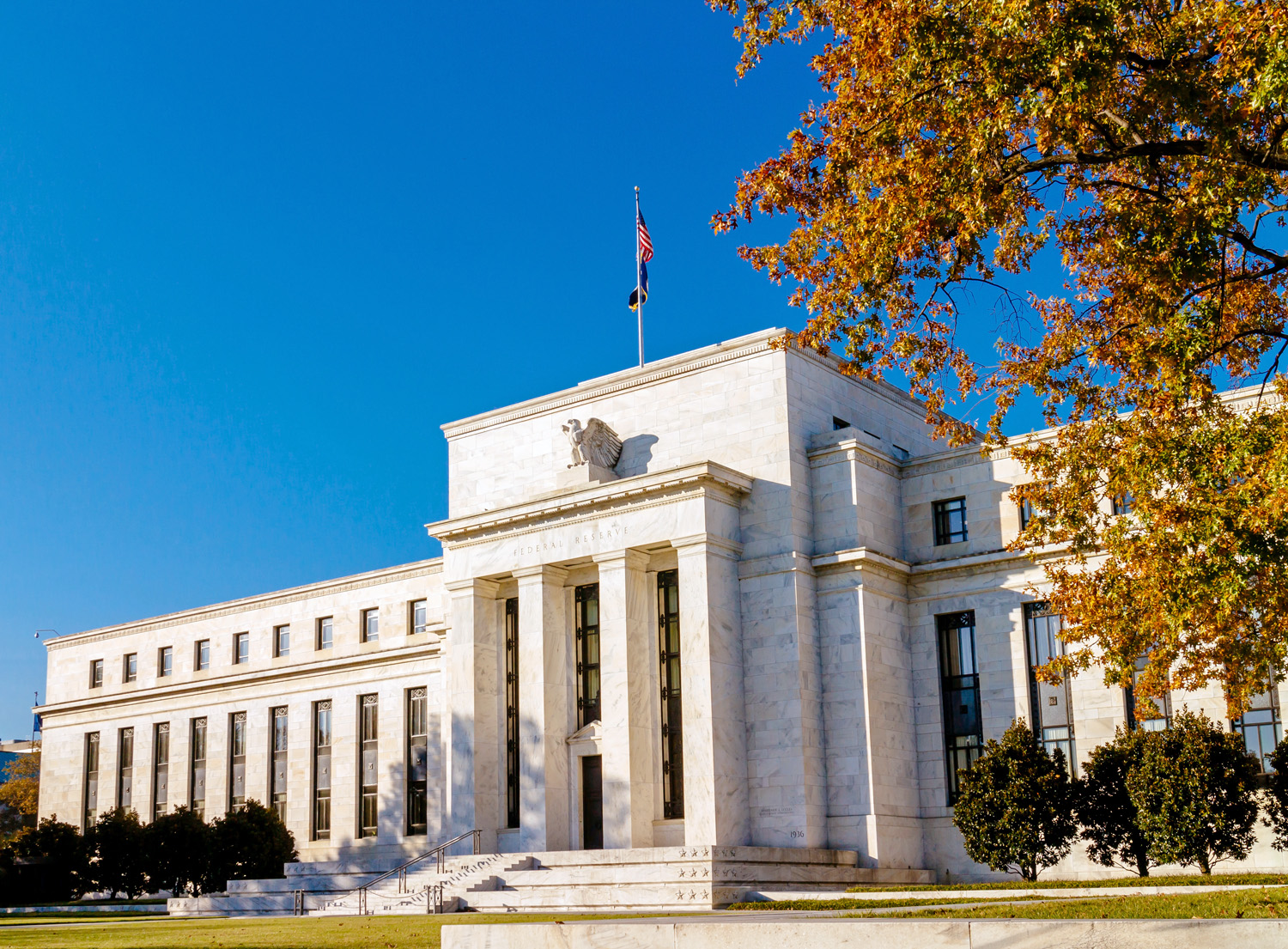 The uncertainty was reflected in the decision of the Fed to keep interest rates unchanged at its meeting on 17/18 March. The Fed has the twin targets of keeping inflation close to 2% and maximising employment. Fed Chair, Jay Powell, acknowledged the current tension between the two goals: ‘upward risks for inflation and downward risks for employment, and that puts us in a difficult situation’. He also recognised that the future for inflation and the economy was highly uncertain as the war developed. This made interest rate setting difficult.
Then there is the issue of a potential new international refugee crisis. If the economic and political system in Iran deteriorates rapidly, this could trigger a wave of migration to neighbouring countries, such as Turkey, already hosting large numbers of refugees. Many could seek sanctuary further afield in Europe, with several countries already facing a backlash against immigration. The political and economic effects of this on host countries could be significant – but as yet, highly uncertain.
Articles
- Assessing the global economic impact of the Middle East war
ING, Carsten Brzeski, Warren Patterson, James Knightley and Deepali Bhargava (5/3/26)
- How the Hormuz closure could affect food, medicines and smartphones
BBC News Verify, Ben Chu (27/3/26)
- How will the Iran war affect the global economy?
Chatham House, Neil Shearing (6/3/26)
- ‘The stakes are enormous’: how a prolonged Iran war could shock the global economy
The Guardian, Richard Partington (22/3/26)
- Iran war is latest threat to a global economy rattled by Trump
Aljazeera, John Power (7/3/26)
- Why an Iran war inflation shock could wreck global economic recovery
The Guardian, Phillip Inman and Kalyeena Makortoff (8/3/26)
- Why has the Iran war sparked fears of stagflation for the global economy?
The Guardian, Luca Ittimani (9/2/26)
- Why the price of oil matters more than you might think
BBC News, Natalie Sherman and Mitchell Labiak (10/3/26)
- Strait of Hormuz: Factsheet
IEA (February 2026)
- Could this energy crisis be worse for the global economy than COVID?
The Conversation, Adi Imsirovic (26/3/26)
- Faisal Islam: Oil price spiral may be slowed but not stopped by G7 emergency move
BBC News, Faisal Islam (9/3/26)
- What on earth is going on with the oil price?
BBC News, Jemma Crew (12/3/26)
- Asia scrambles to confront energy crisis unleashed by Iran war – with no end in sight
The Guardian, Callum Jones (12/3/26)
- The grim choice facing the Trump administration: Economic or naval collapse?
CNN, Phil Mattingly and Zachary Cohen (9/3/26)
- Israel strikes Iran’s South Pars gasfield hours after forces kill intelligence minister
The Guardian, Lorenzo Tondo and William Christou (18/3/26)
- What Fed Chair Jerome Powell said — and didn’t say — about the oil crisis
Yahoo Finance, Jake Conley (19/3/26)
- What strikes on the world’s largest natural gas sites could do to the global economy
CNN, Hanna Ziady (19/3/26)
- How the Iran Conflict May Fuel a New International Refugee Crisis
Forbes, Andy J Semotiuk (5/3/26)
- Iran’s neighbours brace for fallout as war threatens new refugee crisis
Aljazeera, Abid Hussain (17/3/26)
- Two months into the Iran war, almost everybody is a loser
CNN, Ivana Kottasová (2/5/26)
Data
Report
Questions
- Who are the biggest gainers and losers from disruption to oil supplies from the Persian Gulf?
- Illustrate the effect of the current oil price shock on an aggregate demand and supply diagram (either static or dynamic).
- Why is the Iranian war likely to be less damaging to the European economy than the Ukrainian war has been?
- Why have AI-related stock prices been vulnerable to the uncertainty caused by the Iranian war?
- How have the Bank of England and the Federal Reserve Bank responded to higher oil prices and the broader economic effects of the war? Why might their responses be different in the coming months?
- What is the likely impact of the Iranian war on global economic recovery?
- How might the Iranian war affect global economic alliances?
- How is the current oil price shock likely to affect the eurozone? Will it be different from the oil price shock that followed the Russian invasion of Ukraine?
- What are the likely economic effects of large-scale migration caused by the war?
 Have you noticed that many products in the supermarket seem to be getting smaller or are poorer quality, or that special offers are not as special as they used to be? When you ring customer services, does it seem that you have to wait longer than you used to? Do you now have to pay for extras that used to be free? These are all ways that producers try to pass on cost increases to consumers without rising prices. There are three broad ways in which producers try to hide inflation.
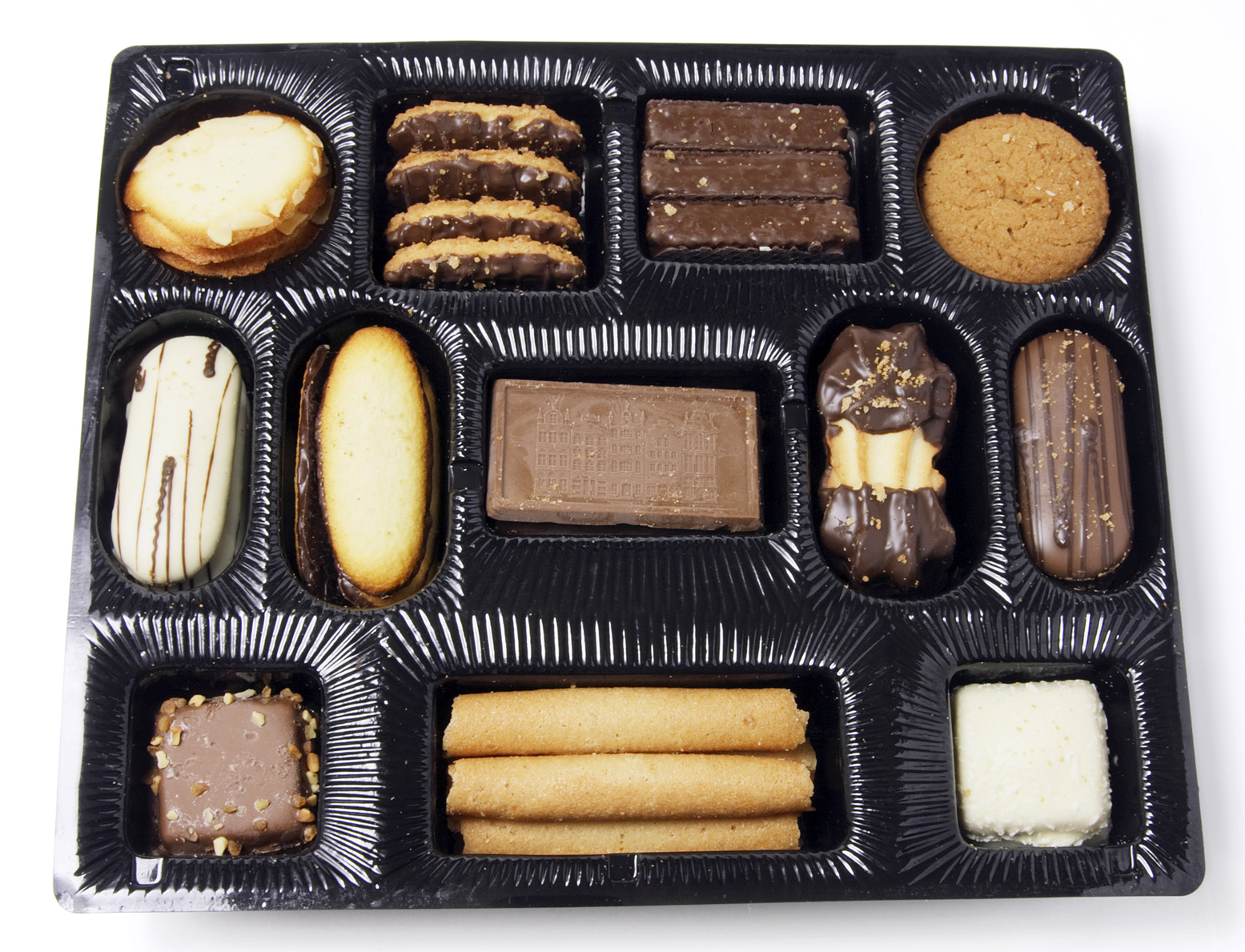
The first is called ‘shrinkflation’. It is defined as having less product in the same package or a smaller package for the same price. For example, reducing the number of chocolates in a tub, reducing the size of a can of beans, jar of coffee or block of butter, reducing the number of sheets in a toilet roll, or the length of a ride in a fairground or portion sizes in a restaurant or takeaway. A 2023 YouGov poll revealed that 75% of UK adults are either ‘very’ or ‘fairly’ concerned about shrinkflation. A similar poll in 2025 showed that this figure had increased to 80%. The product category with the greatest concerns was snack foods (e.g. crisps, confectionery items, nuts, etc.).1
The second form of hidden inflation is called ‘skimpflation’. This is defined as decreasing the quality of a product or service without lowering the price. Examples include cheaper ingredients in food or confectionery, such as using palm oil instead of butter, or reducing the cocoa content in chocolate or the meat content in sausages and pies, or package holidays reducing the quality of meals, or customer service centres or shops reducing the number of staff so that people have to wait longer on the phone or to be served.
The third is called ‘sneakflation’. This is similar to skimpflation but normally refers to reducing what you get when you pay for a service, such as a flight, by now charging for extras, such as luggage or food. Sometimes shrinkflation or skimpflation are seen as subsets of sneakflation.
 These practices have had a lot of publicity in recent months, with consumers complaining that they are getting less for their money. Many people see them as a sneaky way of passing on cost increases without raising the price. But the changes are often subtle and difficult for shoppers to spot when they are buying an item. Skimpflation especially is difficult to observe at the time of purchase. It’s only when people consume the product that they think that it doesn’t seem as good as it used to be. Even shrinkflation can be hard to spot if the package size remains the same but there is less in it, such as fewer biscuits in a tin or fewer crisps in a packet. People would have to check the weight or volume, while also knowing what it used to be.
If firms are legitimately passing on costs and are up-front about what they are doing, then most consumers would probably understand it even if they did not like it. It’s when firms do it sneakily that many consumers get upset. Also, firms may do it to increase profit margins – in other words, by reducing the size or quality beyond what is necessary to cover the cost increase.
Does the official rate of inflation take such practices into account?
 The answer is that some of the practices are taken into account – especially shrinkflation. The Office for National Statistics (ONS) accounts for shrinkflation by monitoring price changes per unit of weight or volume, rather than just the price. Data collectors track the weight, volume or count of item. When a product’s size is reduced, the ONS records this as a price increase in CPI or CPIH inflation statistics. This is known as a ‘quality adjustment’ process and allows the ONS to isolate price changes from product size changes. As CPI data from the ONS is used by the Bank of England in monitoring its 2% inflation target, it too is incorporating shrinkflation.
ONS quality adjustments are also applied to non-market public services, such as healthcare, education and policing to measure changes in service quality rather than just volume. This allows a more accurate measurement of productivity as it focuses on outcomes and user experience per pound spent rather than just focusing on costs.
Skimpflation is more difficult to monitor. The quality adjustment process may miss some quality changes and hence some skimpflation goes unrecorded. This means that the headline inflation rate might understate the true decline in purchasing power felt by consumers.
How extensive is hidden inflation?
Despite public perception, shrinkflation has a relatively small impact on the headline CPI and CPIH inflation rate in the UK because it is largely confined to certain sectors, such as bread and cereals, personal care products, meat products, and sugar, jams, syrups, chocolate & confectionery. Nevertheless, in these sectors it is particularly prevalent, especially in the packaged foodstuffs and confectionery sector. The latest research by the ONS in 2019 covered the period June 2015 to June 2017 and is shown in the following figure.2
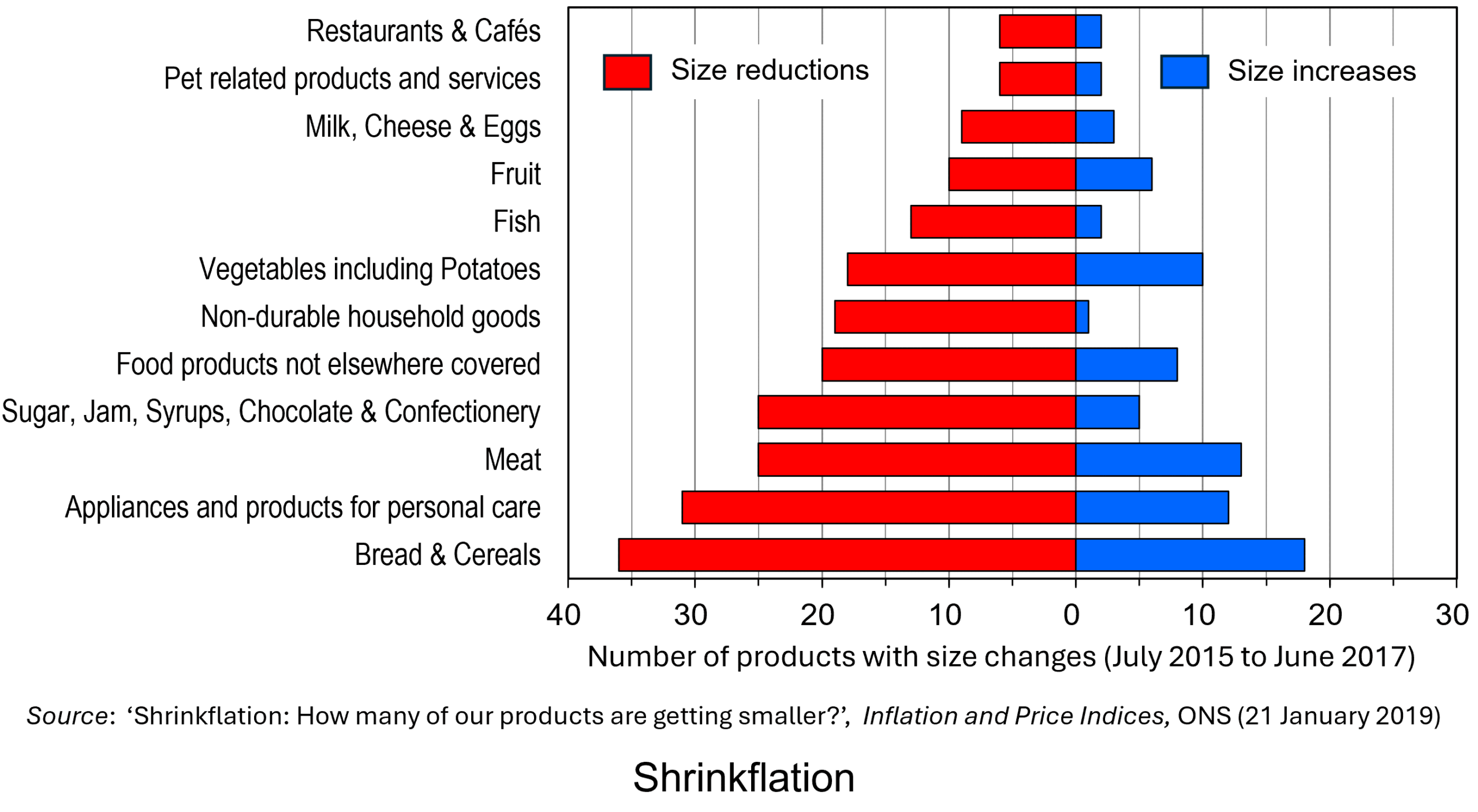
According to research in the USA by Capital One Shopping, some major brands reduced product sizes by over 30% in 2025 without reducing prices, with shrinkflation averaging 14.8% among selected national grocery brands.3 Shrinkflation had been observed by 74% of Americans at their grocery store. Of these, 81% took some kind of action as a result, with 48% abandoning a brand. Nevertheless, across all products, shrinkflation accounts for quite a small percentage of any overall price rises.
A US Government Accountability Office (GAO) report found that shrinkflation accounted for less than 1/10 of a percentage point of the 34.5% increase in overall consumer prices from 2019 to 2024.4 The reason is that the items that were downsized comprised a small percentage of goods and services. Indeed, many goods and services, such as housing, cannot be downsized in the same way that household products can.
Nevertheless, with consumer budgets being squeezed by the inflation that followed the pandemic and the Russian invasion of Ukraine, hidden inflation has become more prevalent in many countries and an increasing concern of consumers.
References
- Shrinkflation concern rises in 2025, but fewer Britons are changing shopping habits
YouGov (15/8/25)
- Shrinkflation: How many of our products are getting smaller?
Office for National Statistics (21/1/19)
- Shrinkflation Statistics
Capital One Shopping (30/12/25)
- What is “Shrinkflation,” And How Has It Affected Grocery Store Items Recently?
U.S. Government Accountability Office (12/8/25)
Videos
Articles
- Shrinkflation: How many of our products are getting smaller?
Office for National Statistics (21/1/19)
- Shrinkflation: Inflation hiding in plain sight
Britannica Money, Doug Ashburn (21/7/25)
- Shrinkflation: the brands charging you more for less
Which?, Ellie Simmonds (28/10/25)
- 7 Surprising Ways Inflation Is Still Rising Even as Prices Slow This Year
SavingAdvice.com, Teri Monroe (3/2/26)
- 22 Real-Life Examples Of Shrinkflation That People Have Spotted In The Last Few Weeks That Are Honestly Infuriating
BuzzFeed, Megan Liscomb (10/12/25)
- Shrinkflation: smaller products hurt some households more than others – and can be bad for business
The Conversation, Erhan Kilincarslan (14/1/26)
- Shoppers brand the UK “a disgrace” as Cadbury Mini Egg prices rise by 105% on pre-pandemic levels
Food Manufacture, Thomas West (6/1/26)
- This article is more than 3 months old Shrinkflation hits everyday staples, piling more pressure on households
The Guardian, Sarah Marsh and Sarah Butler (28/12/25)
- Shrinkflation isn’t slowing down — It’s just getting harder to spot
ConsumerAffairs, Kyle James (13/1/26)
- Shrinkflation – are brands and supermarkets required to inform consumers if a product has been reduced in size or quantity but the packaging looks the same?
CMS Law-Now, Loïc de Hults and Tom Heremans (25/9/25)
- Study reveals shrinking package sizes hide significant food inflation
Phys.org, Aaron Kupec (28/1/26)
Journal Article
Questions
- If shrinkflation, when included in CPI statistics, accounts for such a small percentage of inflation, why are people so concerned about it?
- From a company’s perspective, is it a good idea to engage in (a) shrinkflation; (b) skimpflation?
- Go round you local supermarket and identify examples of shrinkflation and skimpflation.
- How are various EU countries attempting to inform consumers of shrinkflation?
- Why is skimpflation often harder to detect than shrinkflation?
- Give some other examples of sneakflation in the provision of services.
- How could behavioural economists help firms decide whether or how to engage in shrinkflation or skimpflation?
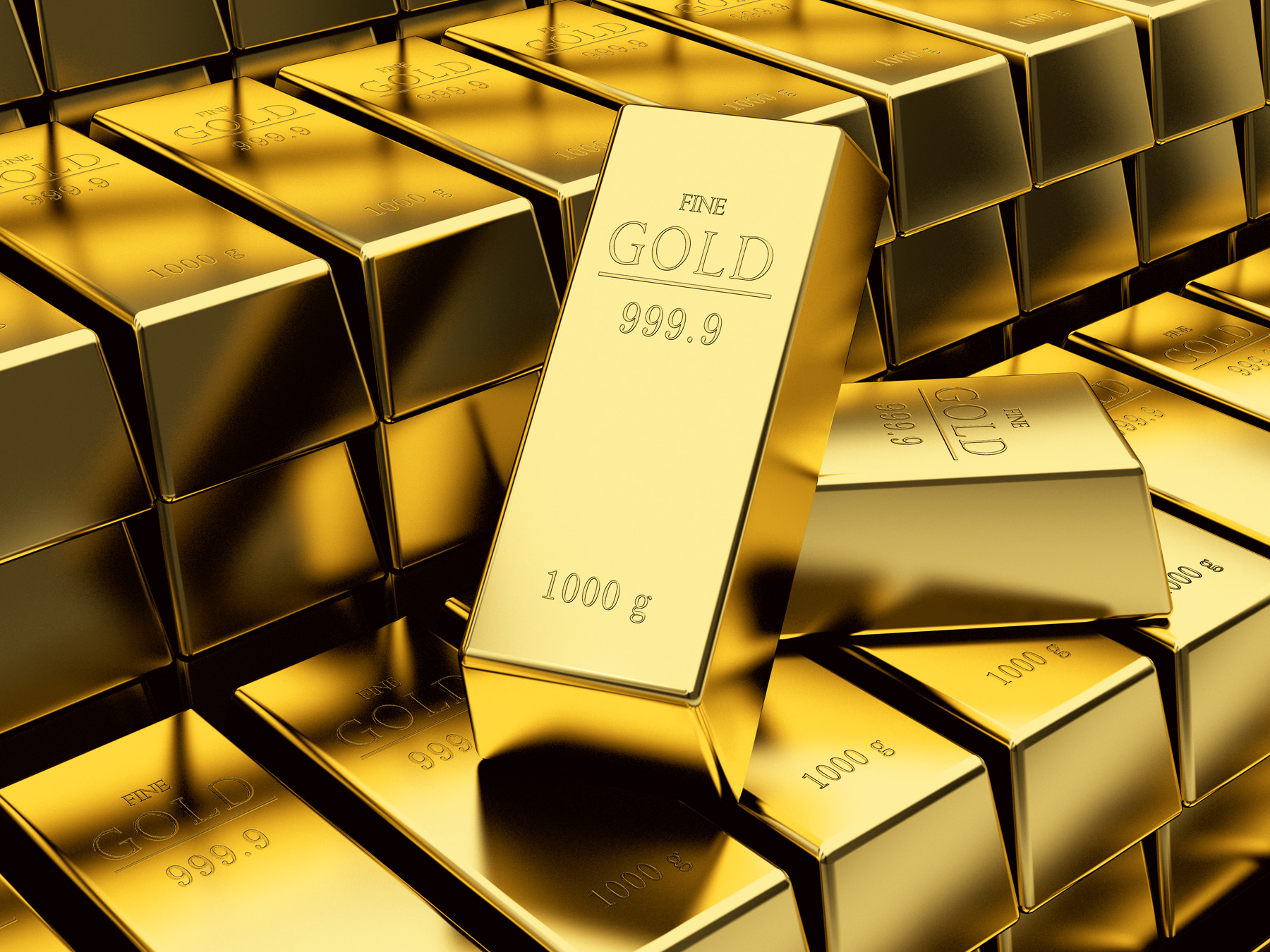 The gold market has become one of the most talked-about commodity markets in 2025, with prices reaching record highs. This is largely due to increased demand from investors, who see gold as a ‘safe haven’ during times of economic and political uncertainty. Central banks are also buying more gold as a way to reduce their reliance on currencies like the US dollar. With many analysts predicting prices could reach over $4000 per ounce in the next year, the gold market is showcasing how supply and demand, confidence, and global events can all influence a commodity market.
The commodities market is where basic agricultural products, raw materials and metals, such as gold, are bought and sold, often in large quantities and across global exchanges. Commodities are typically traded either in their physical form (like gold bars) at current market prices (spot prices) or through financial contracts, where investors buy or sell in futures markets. These are where a price is agreed today to buy or sell on a specific future date.
As with other commodities, the price of gold is determined by supply and demand. Demand for gold typically rises during times of economic uncertainty as investors want a safer store of value. This results in an increase in its price. Supply and demand, and hence price, also respond to other factors, including interest rates, currency movements, economic growth and growth prospects, and geopolitical events.
Record high prices
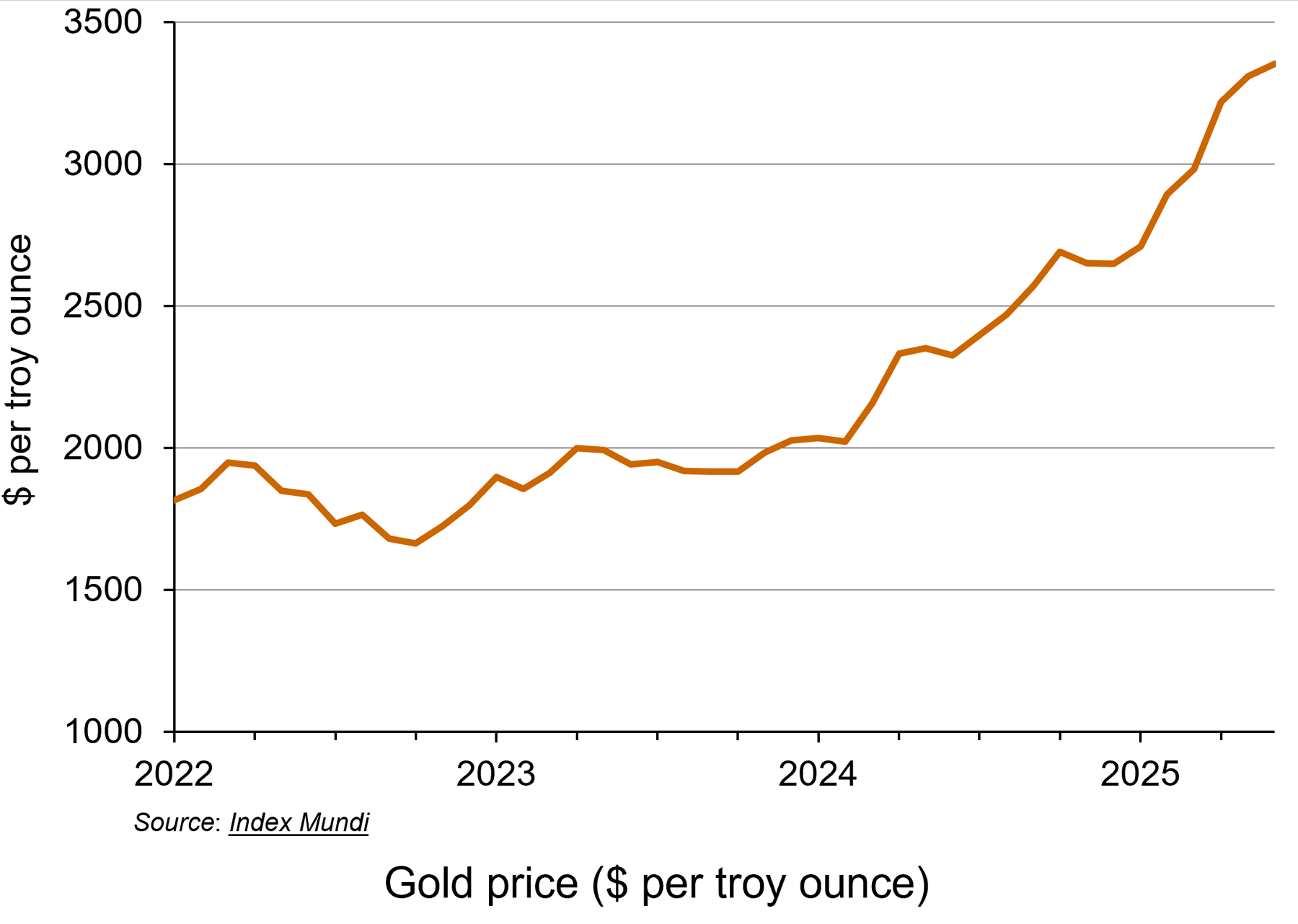 This year, the gold market has seen a remarkable rally, with the price of gold hitting a record high. Demand for the precious metal has resulted in spot prices surging over 35% to date (see the chart: click here for a PowerPoint). Rising prices earlier this year have been attributed to the US President, Donald Trump, announcing wide-ranging tariffs which have upset global trade. On 2 September, the spot gold price hit $3508.50 per ounce, continuing its upwards trend.
The price has also been lifted by expectations that the Federal Reserve (the US central bank) will cut its key interest rate, making gold an even more attractive prospect for investors. If the Federal Reserve cuts interest rates, the price of gold usually increases. This is because gold does not pay any interest or yield, so when interest rates are high, investors can earn better returns from alternatives, such as savings accounts or bonds. However, when interest rates fall, those returns become less attractive, making gold relatively more appealing.
Lower interest rates also tend to weaken the US dollar, which makes gold cheaper for foreign buyers, increasing global demand. Since gold is priced in dollars, a weaker dollar usually leads to higher gold prices.
Additionally, interest rate cuts are often a response to economic problems or uncertainty. As gold is viewed as a safer asset for investors during times of economic uncertainty, investors will typically increase their demand.
Unlike the market for currencies or shares, gold doesn’t rely on the performance of a government or company. This makes it attractive when people are worried about things like inflation, recession, war or stock market crashes. Gold is thus seen as a ‘safe haven’.
Gold and the Federal Reserve
The rise in the price of gold by more than a third this year can be linked to the US election last year, according to the director of research at BullionVault (see the BBC article below). Attitudes of the Trump administration towards the Federal Reserve have created concerns among investors. Fears that the US administration could erode the independence of the world’s most important central bank have fuelled the latest flows into the metal, which is traditionally viewed as a hedge against inflation.
According to the BBC article, Derren Nathan from Hargreaves Lansdown claims that it is Trump’s ‘attempts to undermine the independence of the Federal Reserve Bank’ that were ‘driving renewed interest in safe haven assets, including gold’. Investors are concerned that a politicised Fed would be more inclined to cut interest rates than would otherwise be the case, sending long-term inflation expectations higher.
This could lead to fears that future interest rates would then be pushed higher. This would increase the yields on longer-term government bonds by pushing down their price, as investors demand higher compensation for the increased risk of higher future interest rates reducing the value of their fixed-rate investments. This would force the US Treasury to pay higher interest on new bonds, making it more expensive to service US government debt.
Expected price rises for 2026
As we saw above, it is predicted that the price of gold will rise to $4000 per ounce next year. However, if the market sees investors move away from dollar assets, such as US Treasuries, the price increases would be even higher. Daan Struyven, co-head of global commodities research at Goldman Sachs explains ‘If 1 per cent of the privately owned US Treasury market were to flow to gold, the gold price would rise to nearly $5000 per troy ounce’ (see Financial Times article below).
 If the Federal Reserve does come under political pressure, it could affect the stability of the US economy and beyond. When gold prices rise sharply, demand usually falls in countries like China and India, which are the world’s largest buyers of gold jewellery. However, in 2025, this trend has changed. Instead of reducing their gold purchases, people in these countries have started buying investment gold, such as bars and coins, showing a shift in consumer behaviour from jewellery to investment assets.
At the same time, global events are also influencing the gold market. Suki Cooper, a metals analyst at Standard Chartered, said that events like Russia’s invasion of Ukraine have added to political uncertainty, which tends to increase demand for gold as a safe-haven asset. She also highlighted how changes in international trade policies have disrupted supply chains and contributed to higher inflation, both of which have made gold more attractive to investors. Additionally, a weaker US dollar earlier in the year made gold cheaper for buyers using other currencies, which boosted global demand even further.
Conclusion
Although the gold market is expected to remain strong over the next six months, some uncertainty remains. Many analysts predict that gold prices will stay high or even increase further, especially if interest rates in the US are cut as expected. Continued global instability, is also likely to keep demand for gold as a safe haven high. At the same time, if inflation stays elevated or trade disruptions continue, more investors may turn to gold to protect their wealth.
However, if economic conditions stabilise or interest rates rise again, gold demand could fall slightly, leading to a potential dip in prices. Overall, the outlook for gold remains positive, but sensitive to changes in global economic and political events.
Articles
- Gold price hits record high as investors seek safety
BBC News, Faarea Masud (2/9/25)
- Safe-haven gold rally gains further momentum after soft US data
Reuters, Sherin Elizabeth Varghese and Ashitha Shivaprasad (3/9/25)
- Gold vaults $3,000 in rush for safety from market, political worry
Reuters, Sherin Elizabeth Varghese and Anmol Choubey (14/3/25)
 The foundation of gold’s rally to historic highs started back in 2022
CNBC, Suki Cooper (17/3/25)
- Gold could hit nearly $5,000 if Trump undermines Fed, says Goldman Sachs
Financial Times, Emily Herbert (4/9/25)
- London’s bullion market set to trial digital gold
City AM, Maisie Grice (3/8/25)
- Gold price hits record high as investors seek safe haven
The Guardian, Julia Kollewe (2/9/25)
Data
Questions
- What factors influence the price of a commodity such as gold on the global market?
- Use a demand and supply diagram to illustrate what has been happening to the gold price in recent months.
- Find out what has been happening to silver prices. Are the explanations for the price changes the same as for gold?
- Why might investors choose to buy gold during times of economic or political uncertainty?
- How will changes in interest rates affect both the demand for and the price of gold?
- What are the possible consequences of rising gold prices for countries like India and China, where there is a traditionally high demand for gold jewellery?
- How do global events impact commodity markets? Use gold as an example in your answer.
 In a blog in October 2024, we looked at global uncertainty and how it can be captured in a World Uncertainty Index. The blog stated that ‘We continue to live through incredibly turbulent times. In the past decade or so we have experienced a global financial crisis, a global health emergency, seen the UK’s departure from the European Union, and witnessed increasing levels of geopolitical tension and conflict’.
Since then, Donald Trump has been elected for a second term and has introduced sweeping tariffs. What is more, the tariffs announced on so-called ‘Liberation Day‘ have not remained fixed, but have fluctuated with negotiations and threatened retaliation. The resulting uncertainty makes it very hard for businesses to plan and many have been unwilling to commit to investment decisions. The uncertainty has been compounded by geopolitical events, such as the continuing war in Ukraine, the war in Gaza and the June 13 Israeli attack on Iran.
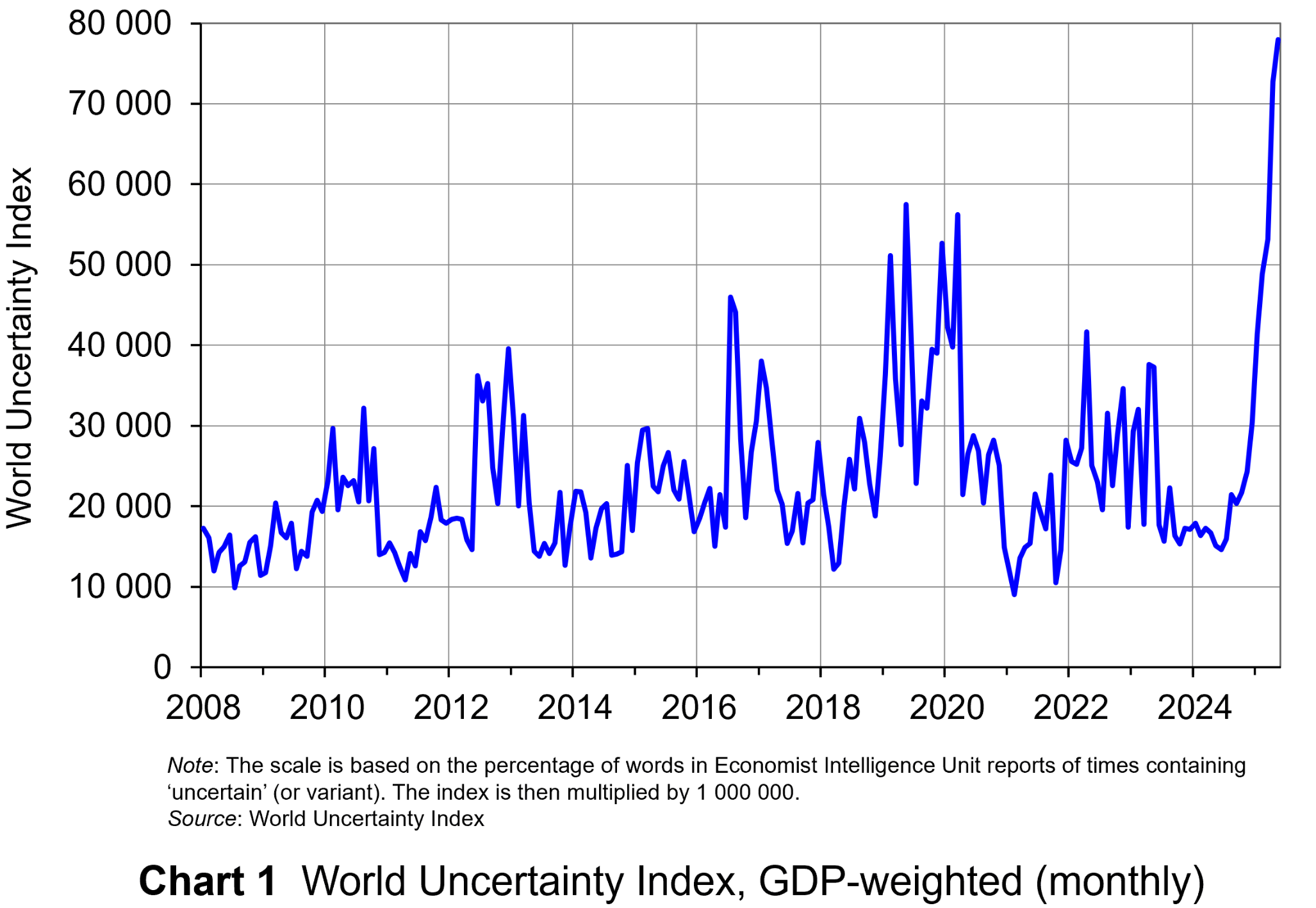 The World Uncertainty Index (WUI) tracks uncertainty around the world by applying a form of text mining known as ‘term frequency’ to the country reports produced by the Economist Intelligence Unit (EIU). The words searched for are ‘uncertain’, ‘uncertainty’ and ‘uncertainties’ and the number of times they occur as percentage of the total words is recorded. To produce the WUI this figure is then multiplied by 1m. A higher WUI number indicates a greater level of uncertainty.
The monthly global average WUI is shown in Chart 1 (click here for a PowerPoint). It is based on 71 countries. Since 2008 the WUI has averaged a little over 23 000: i.e. 2.3 per cent of the text in EIU reports contains the word ‘uncertainty’ or a close variant. In May 2025, it was almost 79 000 – the highest since the index was first complied in 2008. The previous highest was in March 2020, at the start of the COVID-19 outbreak, when the index rose to just over 56 000.
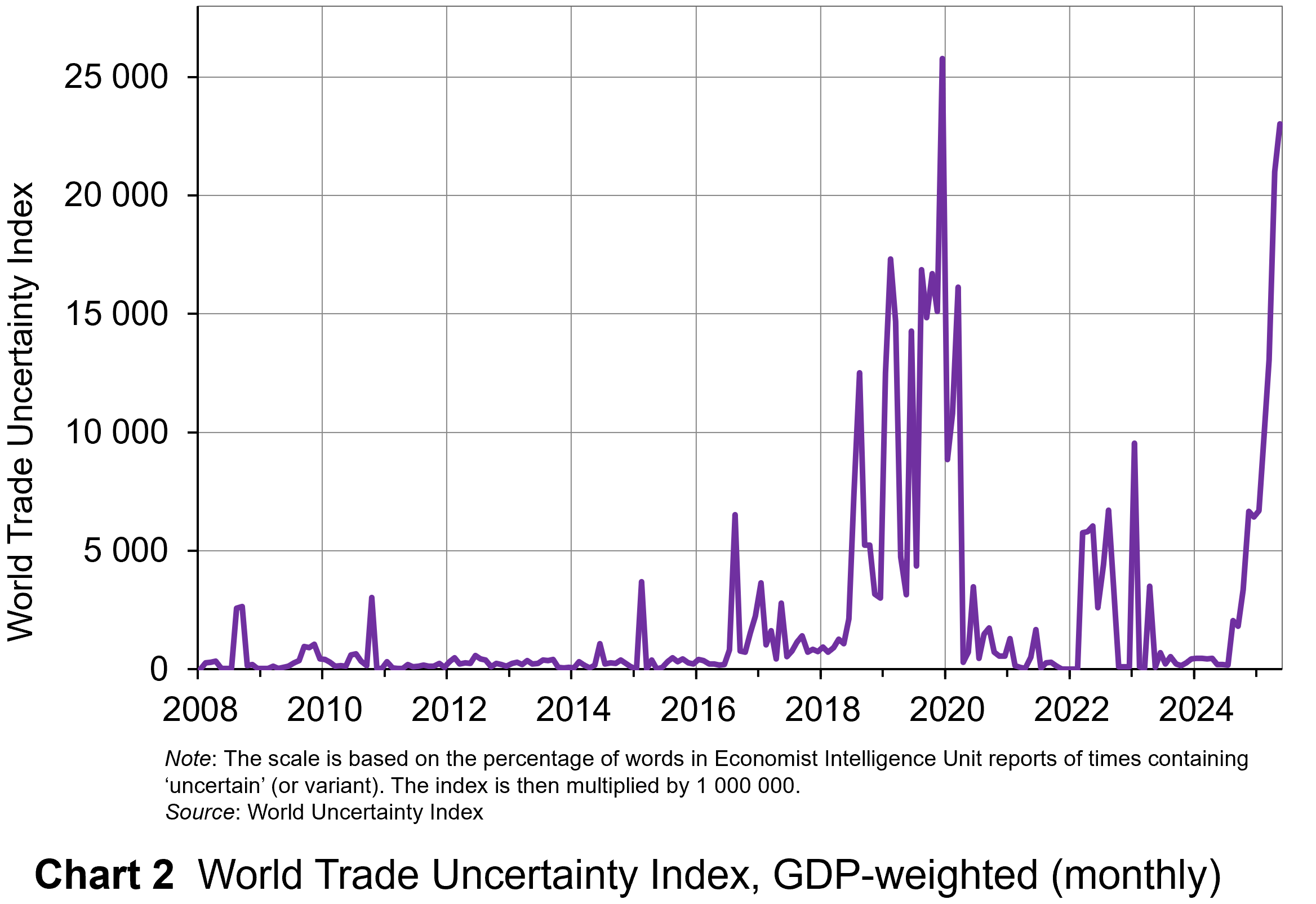 The second chart shows the World Trade Uncertainty Index (WTUI), published on the same site as the WUI (click here for a PowerPoint). The method adopted in its construction therefore mirrors that for the WUI but counts the number of times in EIU country reports ‘uncertainty’ is mentioned within proximity to a word related to trade, such as ‘protectionism’, ‘NAFTA’, ‘tariff’, ‘trade’, ‘UNCTAD’ or ‘WTO.’
The chart shows that in May 2025, the WTUI had risen to just over 23 000 – the second highest since December 2019, when President Trump imposed a new round of tariffs on Chinese imports and announced that he would restore steel tariffs on Brazil and Argentina. Since 2008, the WTUI has averaged just 2228.
It remains to be seen whether more stability in trade relations and geopolitics will allow WUI and WUTI to decline once more, or whether greater instability will simply lead to greater uncertainty, with damaging consequences for investment and also for consumption and employment.
Articles
- IMF World Economic Outlook: economic uncertainty is now higher than it ever was during COVID
The Conversation, Sergi Basco (23/4/25)
- Economic uncertainty hits new high
McKinsey, Sven Smit et al. (29/5/25)
- Trade tensions and rising uncertainty drag global economy towards recession
UNCTAD News (25/4/25)
- IMF Warns Global Economic Uncertainty Surpasses Pandemic Levels
The Global Treasurer (24/4/25)
- Britons ‘hoarding cash amid economic uncertainty and fear of outages’
The Guardian, Phillip Inman (10/6/25)
- America’s Brexit Phase
Foreign Affairs, Jonathan Haskel and Matthew J. Slaughter (10/6/25)
- Goldman Sachs’ CEO on the ‘Big, Beautiful Bill,’ Trump’s Tariffs and Economic Volatility
Politico, Sam Sutton (13/6/25)
- The Countries Where Economic Uncertainty Is Rising Fastest
24/7 Wall St., Evan Comen (9/6/25)
- Trump’s tariffs have finally kicked in, so what happens next?
The Conversation, Maha Rafi Atal (8/8/25)
Uncertainty Indices
Questions
- Explain what is meant by ‘text mining’. What are its strengths and weaknesses in assessing business, consumer and trade uncertainty?
- Explain how the UK Monthly EPU Index is derived.
- Why has uncertainty increased so dramatically since the start of 2025?
- Compare indices based on text mining with confidence indices.
- Plot consumer and business/industry confidence indicators for the past 24 months, using EC data. Do they correspond with the WUI?
- How may uncertainty affect consumers’ decisions?
