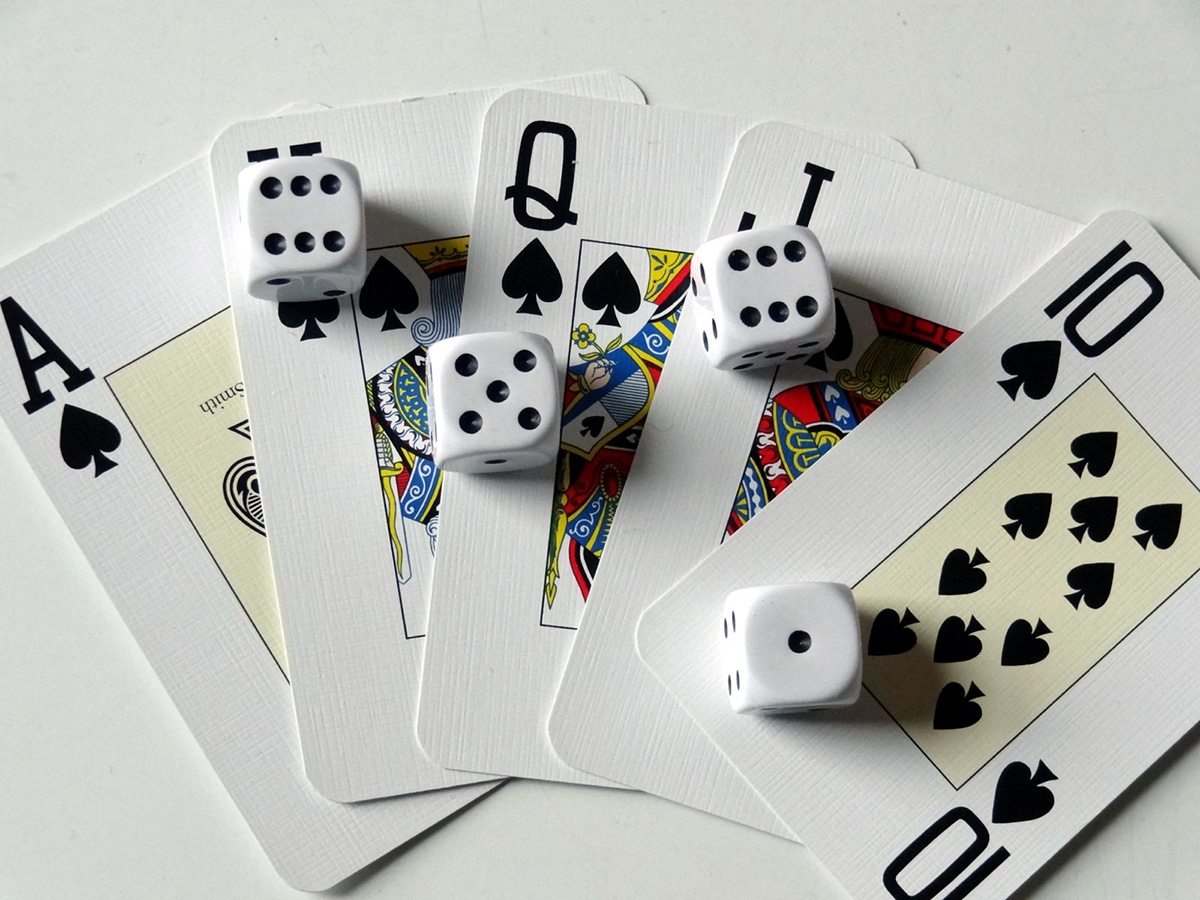
 Economists use game theory to understand decision making where the outcome for an economic actor – individual, firm, government, etc. – depends on the actions and reactions of other actors. It models how rational actors make optimal decisions based on their expectations about such actions and reactions of competitors. Sometimes these expectations will be based on considerable knowledge; sometimes they will be based on hunch or the degree of optimism or pessimism.
Perhaps the most famous game is the prisoners’ dilemma. This is where two or more firms (or people) independently attempt to choose the best strategy, thinking about how their rivals are likely to react. But they end up in a worse position than if they had co-operated in the first place. For example, if a firm is considering cutting price, it would gain market share if the other firm does not cut price; in such a scenario it is likely to gain by cutting price. If, however, the other firm is expected to cut its price, the first firm will have to cut price itself to avoid losing market share; in this scenario it will also cut price. Assuming the other firm reasons the same, the outcome is likely to be a price war, with both firms losing profit. However, if they both colluded to maintain prices or even raise them (assuming they can evade any legal restrictions on collusion), they will both gain.
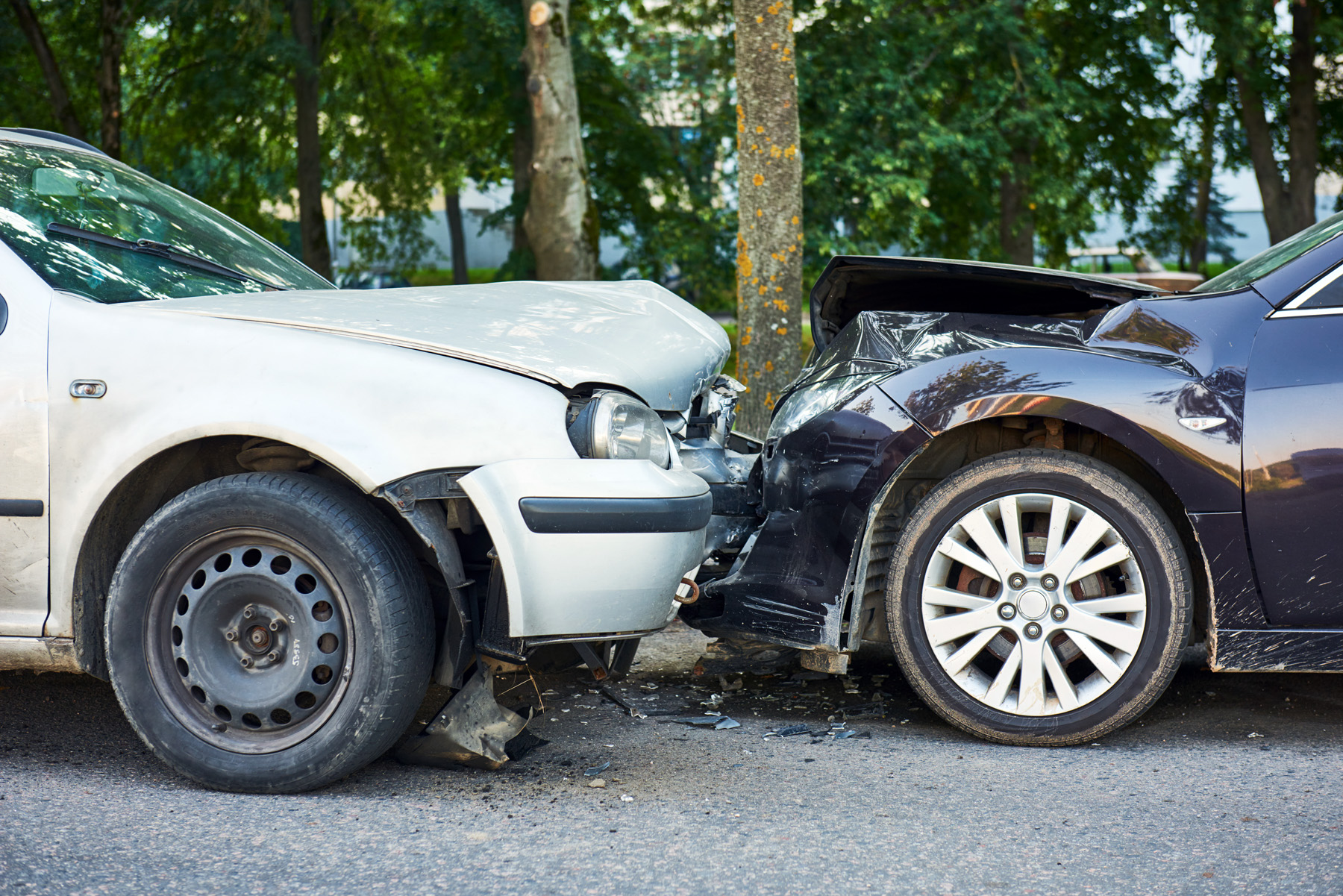 Another example is the game of chicken. This is where two or more actors engage in brinkmanship, hoping that the other actor(s) will give in first. Take the above example of a price war. Assume that two firms are engaging in price cutting. They know that this will damage their short-term profit. But each hopes that the other will give up first and may then be willing to collude or, better still, be driven out of business. If either firm thinks it can win the game, it will reason that short-term pain is justified by long-term gain.
The war in Iran
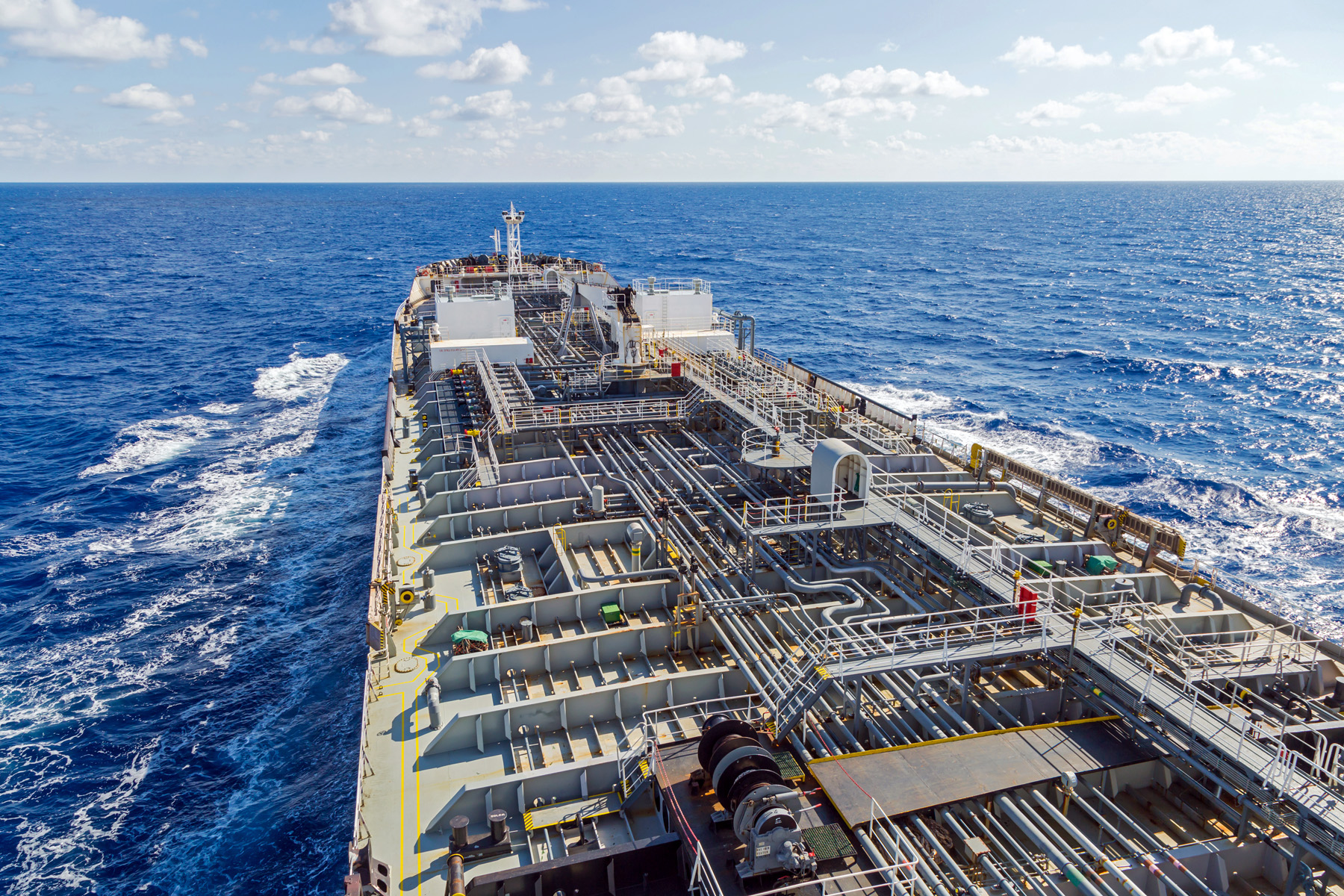 A game of chicken is currently being ‘played’ by the USA and Iran. Iran is blocking the Strait of Hormuz; the USA is blockading Iranian ports, preventing ships from arriving or leaving. Both policies inflict economic pain. Blocking the Strait of Hormuz has driven up oil and gas prices and the prices of many other products exported through the Strait – products such as fertilisers, plastics, petrochemicals, sulphur, methanol and helium.
Each side hopes that the economic pain inflicted on the other will cause it to give up first.
But the game is ‘asymmetric’: the costs of continuing the blockades are different for each side and thus the pressures on each side to concede differ. For Iran, the blockade of its ports is massively curtailing its exports and is doing huge damage to its economy, already battered by bombing. But the war has so far seemed to allow the Iranian authorities to tighten their political grip and they may be prepared to play the ‘long game’ by rallying the Iranian population against the US and Israeli assault. The authorities may calculate that the Iranian people will be prepared to endure greater hardship for some time.
The USA is facing a much lower economic cost. Much of the hardship from the effective closure of the Strait of Hormuz is being borne by other countries. Energy and fertiliser shortages and the resulting rise in price of these critical inputs threaten a humanitarian disaster in some of the poorest countries. Harvests will be down, as will GDP; food prices will soar. There will be widespread economic hardship across Africa and much of Asia, particularly in those countries struggling with existing high debt burdens.
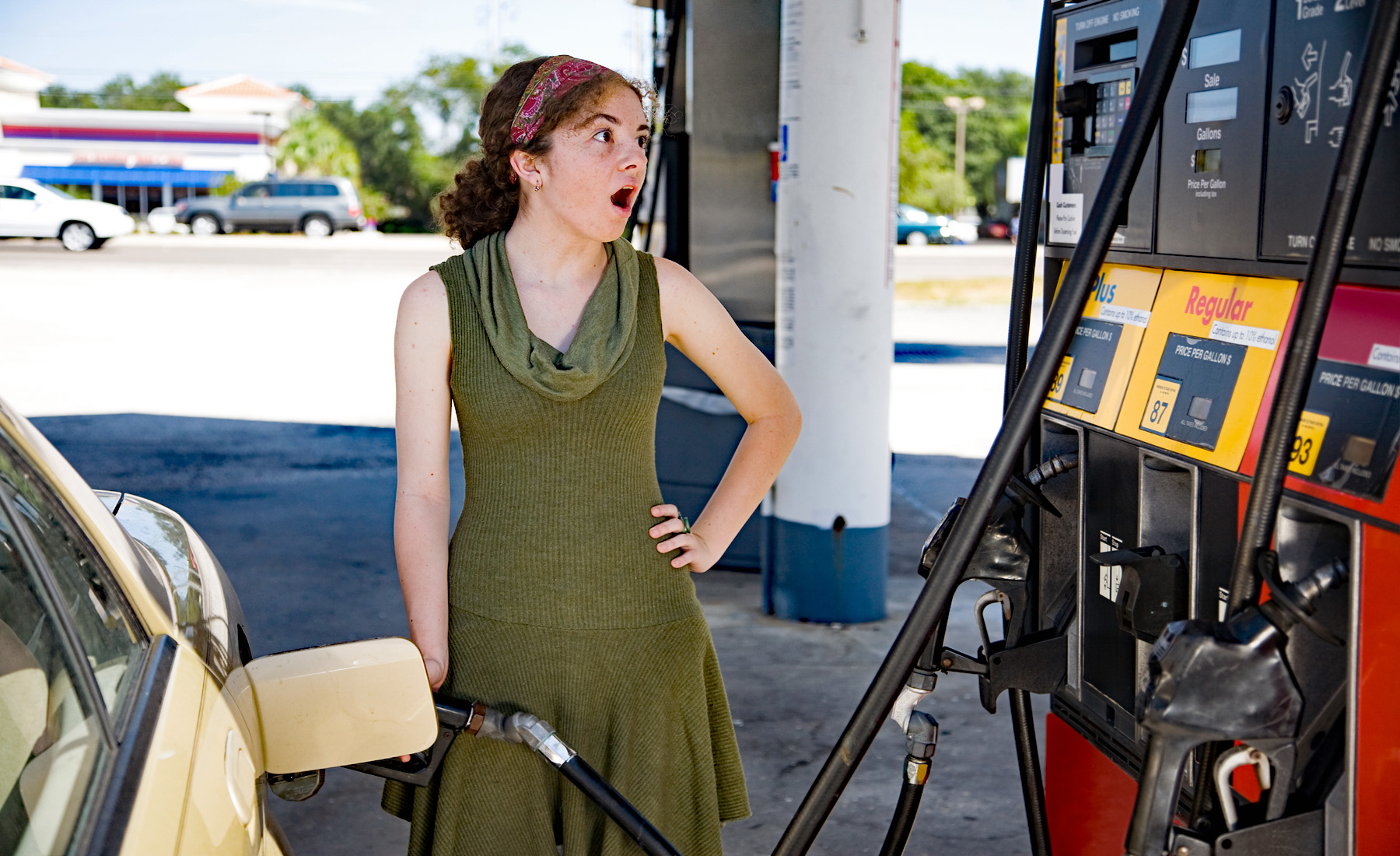 But for Donald Trump and his administration, those costs are likely to be seen as important only in so far as they affect the USA. However, oil prices are determined in international markets and, despite the US economy gaining from higher oil prices as the USA is a net exporter, the price of fuel to the US consumer has risen substantially. Petrol prices in the USA have risen some 45% since the start of the war and jet fuel prices have doubled, driving up air fares. With the prices of other key products, such as medicines, clothing and electronics increasing too, US inflation is now rising – aggravated by the effects of the tariffs on many products. These costs matter to the US consumer and, with mid-term elections approaching and with Donald Trump’s approval rate plummeting, the USA is likely to be more sensitive to short-term economic costs than Iran.
But the USA poses a much greater military threat to Iran than vice versa and this is seen in the USA as a major advantage in this high-stakes game of chicken. But the Iranian authorities’ willingness to endure further military strikes for what they see as long-term gain, may make them unlikely to concede first.
Podcast and video
Articles
- Chicken
Stanford University, Janet Chen, Su-I Lu and Dan Vekhter
- Who will blink first as the Iran war hits the world economy?
CNN, Nic Robertson (23/4/26)
- Game theory explains why the US’s goals in Iran keep changing
New Scientist, Petros Sekeris (21/4/26)
- The Islamabad Game: From Lose-Lose to Win-Win in the Iran War
Times of Israeil, Vincent James Hoope (28/4/26)
- Deadly game they’re playing: Why Iran, Israel, and the US can’t stop escalating
The Business Standard, Bangladesh, Mohammad Omar Farooq (29/4/26)
- The Middle East’s game of chicken
Funds Global MENA, Raphael Olszyna-Marzys (27/4/26)
- The Strait of Hormuz shows how everything is now about leverage
The Conversation, Renaud Foucart (22/4/26)
Questions
- Explain the prisoners’ dilemma game and explain what is meant by the Nash equilibrium in the game.
- What is the Nash equilibrium of a game of chicken?
- Explain the asymmetries in the ‘game’ being ‘played’ by the USA, Israel and Iran?
- What other actors are there in the ‘game’ and do they play any significant role?
- How important is information and understanding held by the USA, Israeli and Iran about the likely consequences of their actions?
- What can mediators, such as Pakistan, do to de-escalate the situation?
- What are the likely long-term costs to the global economy if the blocking of the Strait of Hormuz persists for a number of months?
Economics is about choice – and choices occur in all parts of our lives. One area is personal relationships. Are we making the best of our relationships with family, friends and sexual partners? Increasingly economists are examining human behaviour in such contexts and asking what factors determine our decisions and whether such decisions are rational.
A recent book looks at the economics of marriage and goes under the title of ‘Spousonomics‘. Its authors, Paula Szuchman and Jenny Anderson, use economics “to master love, marriage and dirty dishes”. As they say:
Every marriage is its own little economy, a business of two with a finite number of resources that need to be allocated efficiently.
They look at ways in which such resources can be allocated efficiently. They also look at apparently irrational behaviour and seek to explain it in terms of various ‘failures’ (akin to market failures). They also examine how these failures can be rectified to improve relationships.
So is this economics stepping on the toes of relationship counsellors and psychologists? Or is this the legitimate domain of economists seeking to understand how to optimise in the context of scarce resources – including time and patience?
Spousonomics gets to heart of the matter Belfast Telegraph (19/1/11)
Run your marriage with ‘Spousonomics’: A new book says applying economic rules with transform your relationship Mail Online, Lydia Slater (31/1/11)
Spousonomics: How Economics Can Help Figure Out Your Marriage Book Beast (31/1/11)
 Spousonomics Lesson #1: Loss Aversion YouTube (15/1/11)
Economist’s Explanation For Why Getting Married Isn’t Rational Huffington Post, Dan Ariely (15/1/11)
How Economics Saved My Marriage Newsweek, Paula Szuchman (30/1/11)
Want your marriage to profit? New York Post, Sara Stewart (29/1/11)
Spousonomics: blog, Paula Szuchman and Jenny Anderson
Questions
- How would you define ‘rational behaviour’ in a personal relationship?
- Why may marriage be a better deal generally for men than for women?
- Give some examples of asymmetry of information in marriage and why this may lead to bad decision making?
- Give some examples of risk averse and risk loving behaviour in personal relationships?
- Why are many actions in marriage apparently irrational? Could such actions be explained if the concept of ‘irrationality’ is redefined?
- Why may a simple demand curve help to explain why sexual relationships tend to wane in many marriages?
- Why does moral hazard occur in marriage? Does a combination or moral hazard and asymmetry of information help to explain divorce?
- Should marriage guidance counsellors study economics?!
Skin cancer is on the increase in the UK. Calls are thus being made by both retailers and cancer charities for a cut in VAT on sun cream.
At present the VAT rate on sun cream in the UK is the standard rate of 17.5%, which is due to increase to 20% in January 2011. But would cutting the rate to 5%, as is being proposed, be effective in cutting skin cancer rates? What information would you, as an economist, need to assess this claim?
Articles
Government urged to cut VAT on sun cream amid skin cancer fears Guardian, Rebecca Smithers (27/7/10)
Brits Get Burned By Vat Rise On Suncream PRLog (7/7/10)
Why we still think bronzing is tan-tastic Irish Independent, Susan Daly (27/7/10)
Evidence on sun creams
Sunscreen Wikipedia
Sun creams Cancer Research UK
Questions
- What would determine the incidence of a cut in VAT on sun creams between consumers and retailiers?
- If there were a 50:50 incidence of a VAT cut between consumers and retailers and the VAT was cut from 17.5% to 5%, what percentage fall in the retail price would you expect?
- Assume that the price elasticity of demand for sun cream is –1 and price elasticity of supply is +1, how much would sales of sun cream rise if the VAT rate fell from 17.5% to 5%? Are these realistic values for the price elasticity of demand and supply?
- Under what circumstances may promoting the use of sun creams encourage the development of skin cancer?
- Are people being rational if they choose to expose themselves to the sun for long periods in order to receive a ‘fashionable’ tan? How are time preference rates (personal discount rates) relevant here?
- What market failures are involved in the tanning industry? If the use of sunbeds contributes towards skin cancer, should they be banned?
This podcast is from BBC Radio 4’s Today Programme. It consists of an interview with James Berresford, chief executive of VisitEngland, and Tracy Corrigan, of the Daily Telegraph on the topic of ‘staycations’ – a term used to refer to people holidaying at home rather than going abroad. Staycations are up, but why is this the case; how much have people switched; and is it really a cheaper option?
More people holidaying in England BBC Today Programme (27/8/09)
See also the following articles:
Unemployment Up In Seaside Resorts Despite Era Of The ‘Staycation’ Fresh Business Thinking (22/8/09)
Unemployment up in seaside resorts despite era of the ‘staycation’ TUC (21/8/09)
Haven Holidays sees rise in caravan sales Times Online (26/8/09)
‘Staycation’ Britons reconsider their holiday plans The National (Abu Dhabi) (28/8/09)
Recession-hit Britons abandon foreign holidays in favour of ‘staycations’ Guardian (13/8/09)
Bad weather puts paid to the Great British Staycation Independent on Sunday (22/8/09)
The following are useful sources of evidence:
Visits to the UK up 4 per cent Office for National Statistics News Release (13/8/09)
1.2 Million More Holidays Taken In England As Brits Take Breaks Closer To Home enjoyEngland (7/8/09)
11.9 million Brits to take U.K break this Bank Holiday enjoyEngland (26/8/09)
Questions
- What are the determinants of demand for staycations? How have these impacted on the demand for staycations in the UK in summer 2009?
- How are the (a) price; (b) income and (c) cross-price elasticities of demand for staycations relevant in determining the demand for staycations?
- Why is imperfect information an important problem in making a decision about where to take a holiday and how do risk attitudes affect the decision?
- Why has unemployment risen more than the UK national average in many seaside towns?
When anyone buys assets – shares, a house, a car or whatever – one important consideration is their likely future value. But the future is uncertain. Your decision to buy, therefore, depends not just on the direct return of the asset (the rate of interest or the pleasure from using the asset) but also on your predictions about the future value of the asset and your attitudes to risk. But with the future of markets so uncertain, or at least the timing of market movements, what’s the best thing to do? The article below considers some of the issues.
The irrelevant future Investors Chronicle (6/4/09)
Questions
- Distinguish between ‘risk’ and ‘uncertainty’.
- What is meant by a ‘bear’ in the context of investing in shares? Explain why ‘intelligent bears’ would ‘leave some money in the market’.
- Faced with uncertainty, why might sticking to a simple ‘do nothing’ rule be the best policy?
- If capital markets were efficient in the strongest sense, where everyone has perfect information about the future, would people be able to make large returns on investing in shares and other assets?