 Economists use game theory to understand decision making where the outcome for an economic actor – individual, firm, government, etc. – depends on the actions and reactions of other actors. It models how rational actors make optimal decisions based on their expectations about such actions and reactions of competitors. Sometimes these expectations will be based on considerable knowledge; sometimes they will be based on hunch or the degree of optimism or pessimism.
Perhaps the most famous game is the prisoners’ dilemma. This is where two or more firms (or people) independently attempt to choose the best strategy, thinking about how their rivals are likely to react. But they end up in a worse position than if they had co-operated in the first place. For example, if a firm is considering cutting price, it would gain market share if the other firm does not cut price; in such a scenario it is likely to gain by cutting price. If, however, the other firm is expected to cut its price, the first firm will have to cut price itself to avoid losing market share; in this scenario it will also cut price. Assuming the other firm reasons the same, the outcome is likely to be a price war, with both firms losing profit. However, if they both colluded to maintain prices or even raise them (assuming they can evade any legal restrictions on collusion), they will both gain.
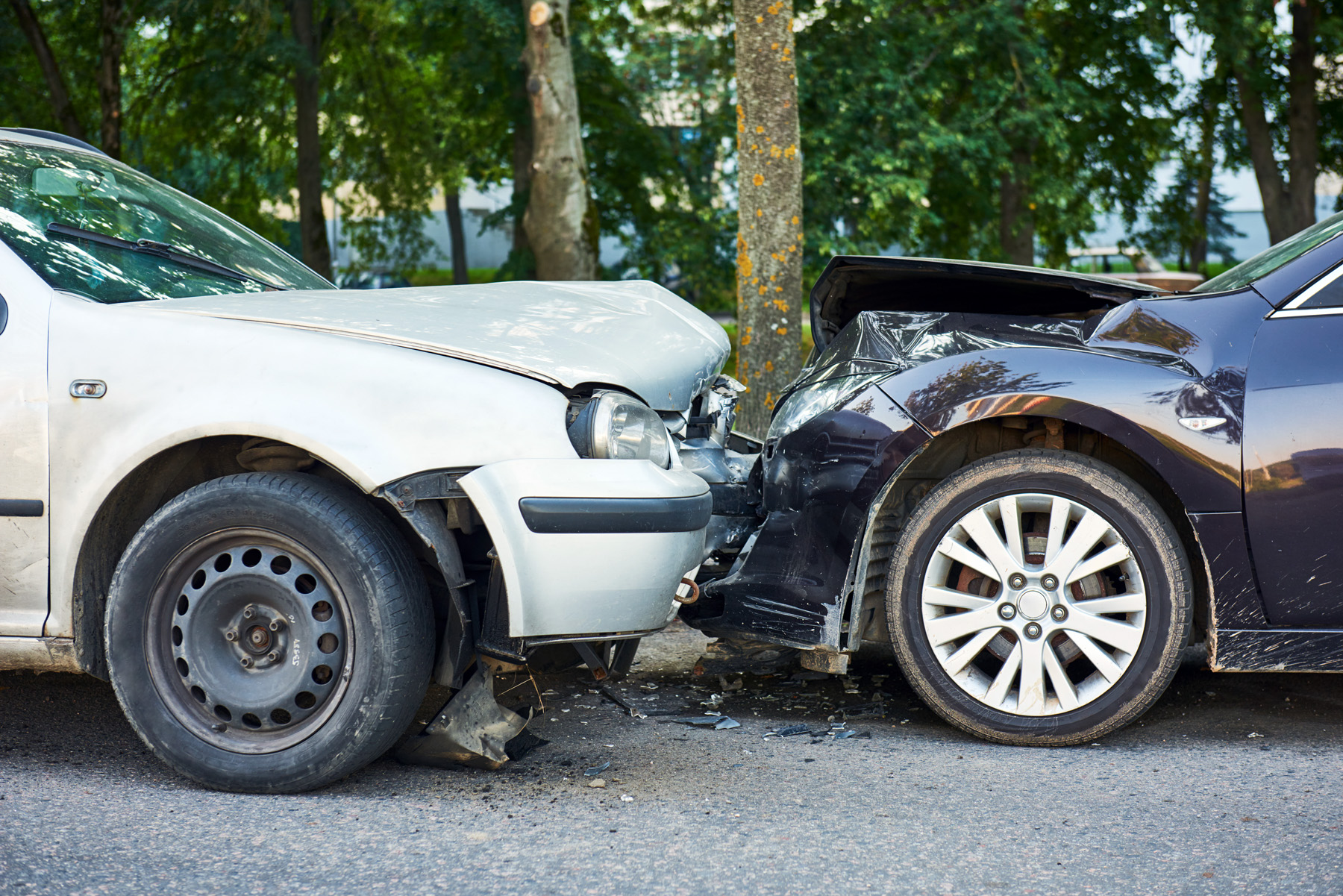 Another example is the game of chicken. This is where two or more actors engage in brinkmanship, hoping that the other actor(s) will give in first. Take the above example of a price war. Assume that two firms are engaging in price cutting. They know that this will damage their short-term profit. But each hopes that the other will give up first and may then be willing to collude or, better still, be driven out of business. If either firm thinks it can win the game, it will reason that short-term pain is justified by long-term gain.
The war in Iran
 A game of chicken is currently being ‘played’ by the USA and Iran. Iran is blocking the Strait of Hormuz; the USA is blockading Iranian ports, preventing ships from arriving or leaving. Both policies inflict economic pain. Blocking the Strait of Hormuz has driven up oil and gas prices and the prices of many other products exported through the Strait – products such as fertilisers, plastics, petrochemicals, sulphur, methanol and helium.
Each side hopes that the economic pain inflicted on the other will cause it to give up first.
But the game is ‘asymmetric’: the costs of continuing the blockades are different for each side and thus the pressures on each side to concede differ. For Iran, the blockade of its ports is massively curtailing its exports and is doing huge damage to its economy, already battered by bombing. But the war has so far seemed to allow the Iranian authorities to tighten their political grip and they may be prepared to play the ‘long game’ by rallying the Iranian population against the US and Israeli assault. The authorities may calculate that the Iranian people will be prepared to endure greater hardship for some time.
The USA is facing a much lower economic cost. Much of the hardship from the effective closure of the Strait of Hormuz is being borne by other countries. Energy and fertiliser shortages and the resulting rise in price of these critical inputs threaten a humanitarian disaster in some of the poorest countries. Harvests will be down, as will GDP; food prices will soar. There will be widespread economic hardship across Africa and much of Asia, particularly in those countries struggling with existing high debt burdens.
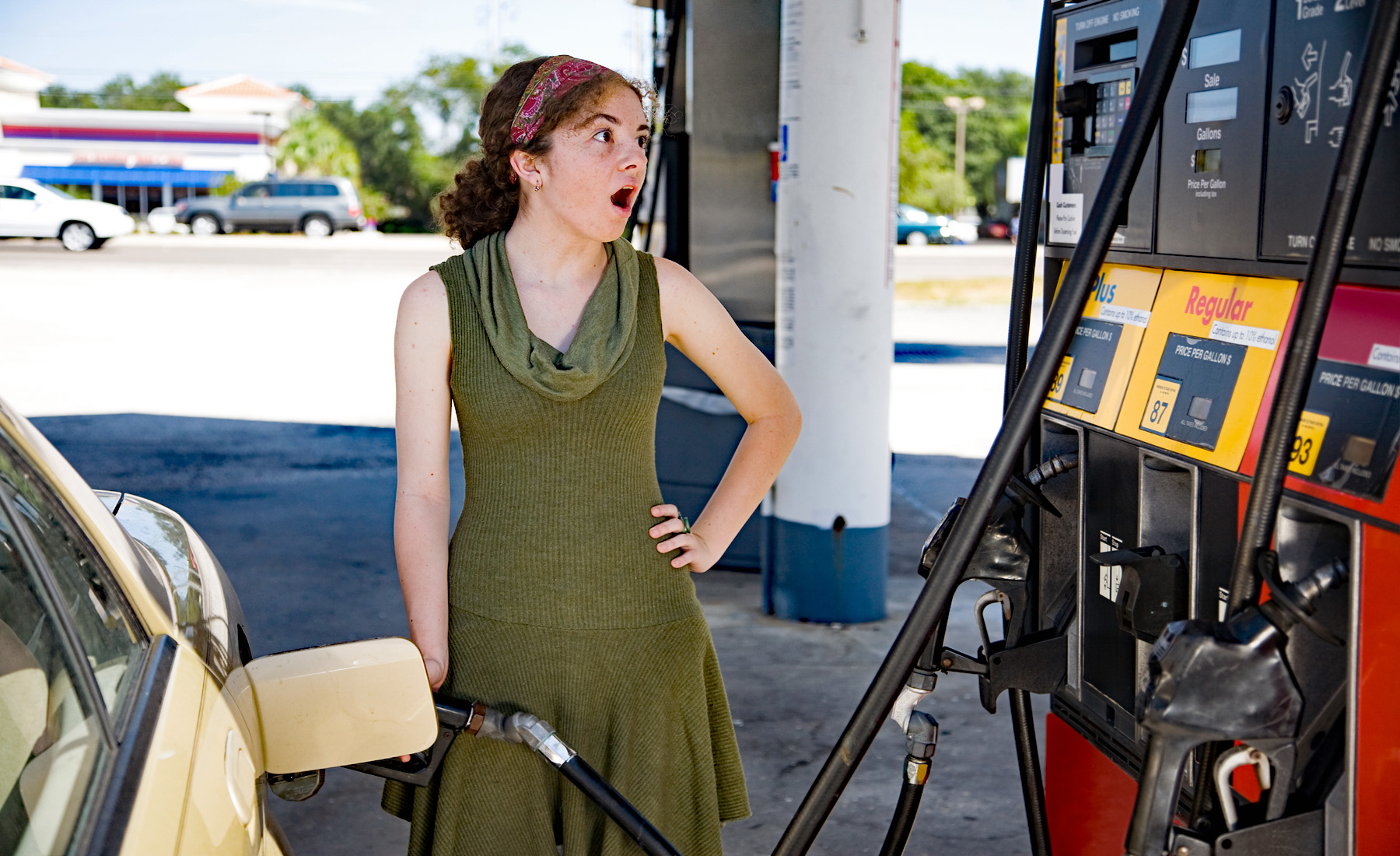 But for Donald Trump and his administration, those costs are likely to be seen as important only in so far as they affect the USA. However, oil prices are determined in international markets and, despite the US economy gaining from higher oil prices as the USA is a net exporter, the price of fuel to the US consumer has risen substantially. Petrol prices in the USA have risen some 45% since the start of the war and jet fuel prices have doubled, driving up air fares. With the prices of other key products, such as medicines, clothing and electronics increasing too, US inflation is now rising – aggravated by the effects of the tariffs on many products. These costs matter to the US consumer and, with mid-term elections approaching and with Donald Trump’s approval rate plummeting, the USA is likely to be more sensitive to short-term economic costs than Iran.
But the USA poses a much greater military threat to Iran than vice versa and this is seen in the USA as a major advantage in this high-stakes game of chicken. But the Iranian authorities’ willingness to endure further military strikes for what they see as long-term gain, may make them unlikely to concede first.
Podcast and video
Articles
- Chicken
Stanford University, Janet Chen, Su-I Lu and Dan Vekhter
- Who will blink first as the Iran war hits the world economy?
CNN, Nic Robertson (23/4/26)
- Game theory explains why the US’s goals in Iran keep changing
New Scientist, Petros Sekeris (21/4/26)
- The Islamabad Game: From Lose-Lose to Win-Win in the Iran War
Times of Israeil, Vincent James Hoope (28/4/26)
- Deadly game they’re playing: Why Iran, Israel, and the US can’t stop escalating
The Business Standard, Bangladesh, Mohammad Omar Farooq (29/4/26)
- The Middle East’s game of chicken
Funds Global MENA, Raphael Olszyna-Marzys (27/4/26)
- The Strait of Hormuz shows how everything is now about leverage
The Conversation, Renaud Foucart (22/4/26)
Questions
- Explain the prisoners’ dilemma game and explain what is meant by the Nash equilibrium in the game.
- What is the Nash equilibrium of a game of chicken?
- Explain the asymmetries in the ‘game’ being ‘played’ by the USA, Israel and Iran?
- What other actors are there in the ‘game’ and do they play any significant role?
- How important is information and understanding held by the USA, Israeli and Iran about the likely consequences of their actions?
- What can mediators, such as Pakistan, do to de-escalate the situation?
- What are the likely long-term costs to the global economy if the blocking of the Strait of Hormuz persists for a number of months?
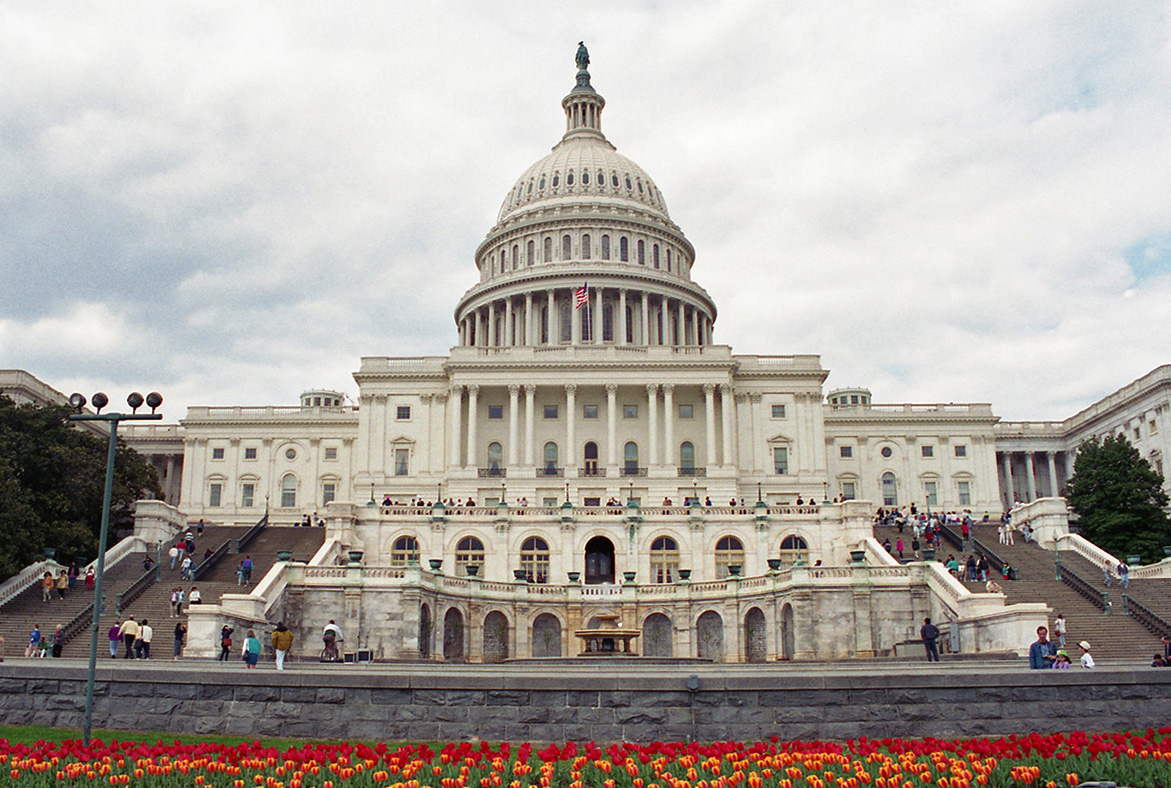 Back in November, when Joe Biden had just been elected, we considered some of his proposed policies to tackle climate change (see A new era for climate change policy?). On 20th January, the day of his inauguration, he signed 17 executive orders overturning a range of policies of the Trump presidency. Further executive orders followed. Some of these related directly to climate change.
The first was to cancel the Keystone XL oil pipeline project. If it had gone ahead, it would have transported 830 000 barrels of oil per day from the Alberta tar sands in Canada to refineries on the Gulf Coast of Texas. It would have involved building a new pipeline from Alberta to Nebraska, where it would have linked to an existing pipeline to Texas. Extracting oil from tar sands is a particularly dirty process, involves cutting down large areas of forest (a carbon sink) and total emissions are around 20% greater per barrel than from conventional crude.
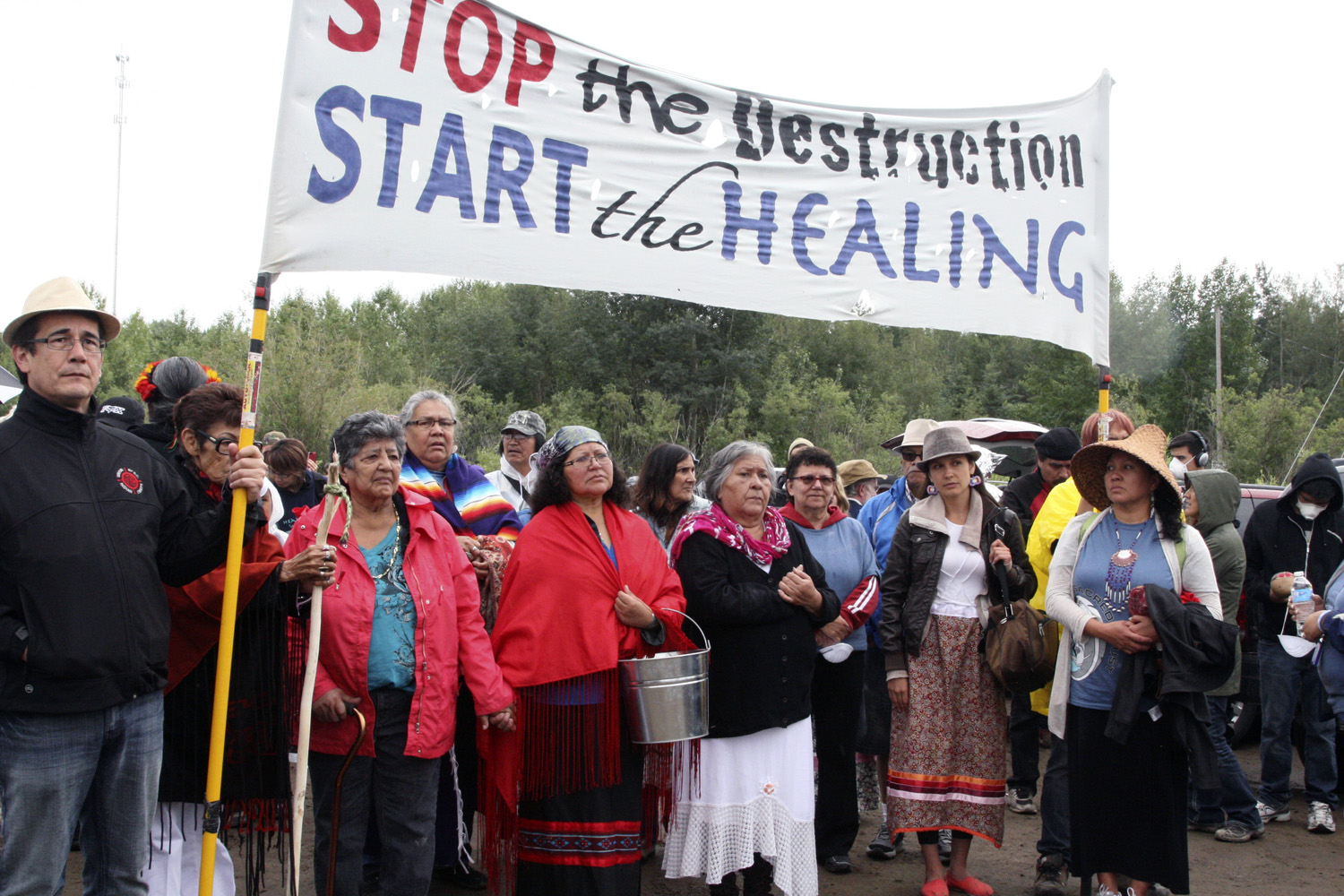 The pipeline would have cut across First Nations land and any spills would have been highly toxic to the local environment. In terms of profitability, returns on tar sands oil extraction and transportation are very low. This is likely to remain the case as oil prices are likely to remain low, with greater global energy efficiency and the switch to renewables.
Critics of Biden’s decision argue that the pipeline project would have created some 5000 to 6000 temporary jobs in the USA during the two-year construction phase. Also they claim that it would have contributed to greater energy security for the USA.
 The second executive order was to rejoin the Paris Climate Agreement, a process that will take 30 days. Rejoining will involve commitments to cut greenhouse gas emissions and the adoption of various measures to bring this about. During the election campaign, Biden pledged to achieve economy-wide net-zero emissions no later than 2050. As we saw in the previous blog, under Biden the USA will play a leading role in the November 2021 UN COP26 climate change conference in Glasgow.
At present, the Paris agreement is for countries to aim to reach a peak of greenhouse gas emissions as soon as possible to achieve a climate neutral world by mid-century. Many countries have have made commitments about when they aim to achieve carbon neutrality, although concrete action is much more limited. It is hoped that the COP26 conference will lead to stronger commitments and actions and that the USA under Biden will play a leading part in driving this forward.
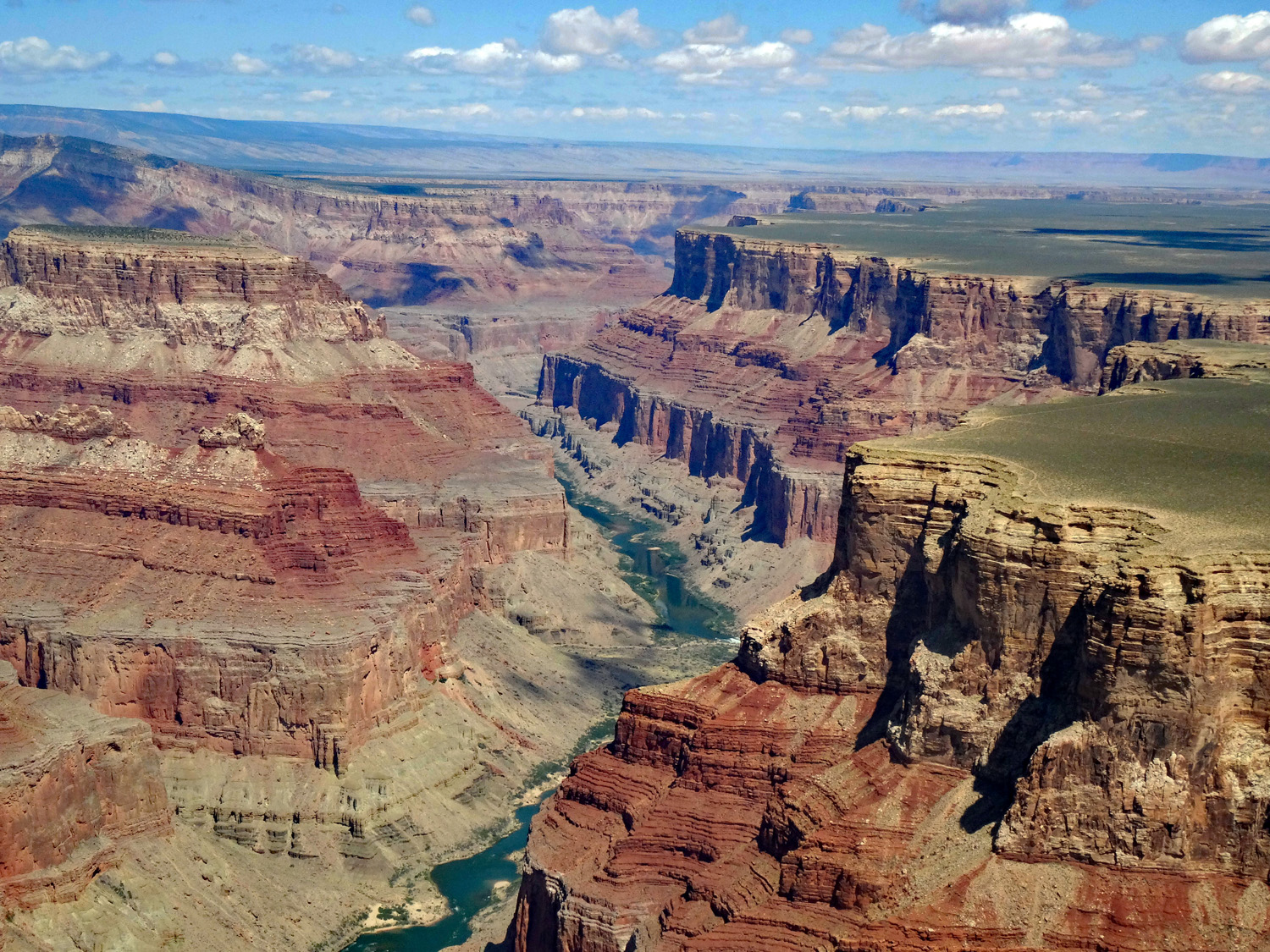 In addition, to cancelling the Keystone XL pipeline and rejoining the Paris Agreement, the executive orders reversed more than 100 other decisions with negative environmental effects taken by the Trump administration – many overturning environmental measures introduced by previous administrations, especially the Obama administration.
These orders included reversing the easing of vehicle emissions standards; stopping reductions in the area of two major national monuments (parks) in Utah; enforcing a temporary moratorium on oil and natural gas leases in Alaska’s Arctic National Wildlife Refuge; and re-establishing a working group on the social costs of greenhouse gasses.
Then there will be new measures, such as adopting strict fuel economy standards and investment in clean public transport. But it remains to be seen how far and fast the Biden administration can move to green the US economy. With the desire for bipartisanship and seeking an end to the divisive policies of Trump, there may be limits to what the new President can achieve in terms of new legislation, especially with a Senate divided 50:50 and only the casting vote of the chair (Kamala Harris as Vice-President) being in Democrat hands.
The articles below consider the various green policies and how likely they are to succeed in their objectives.
Articles
- Climate change: Biden’s first act sets tone for ambitious approach
BBC News, Matt McGrath (20/1/21)
- Biden nixes Keystone XL permit, halts Arctic refuge leasing
The Hill, Rachel Frazin (20/1/21)
- Biden’s return to Paris pact just a first step for U.S. climate action
Reuters, Megan Rowling (20/1/21)
- Court Decision Lets Biden Set New Emissions Rules To Meet Paris Agreement Climate Goals
Forbes, Allan Marks (20/1/21)
- Biden to ‘hit ground running’ as he rejoins Paris climate accords
The Guardian, Oliver Milman (19/1/21)
- What could a Biden-Harris administration mean for the planet?
Euronews, Marthe de Ferrer (20/1/21)
- Ask a Scientist: What Should the Biden Administration and Congress Do to Address the Climate Crisis?
ecoWatch, Elliott Negin (18/1/21)
- Biden marks Day One with burst of orders reversing Trump policies on climate and health
Science Business, Éanna Kelly (21/1/21)
- What Is the Paris Climate Agreement That Joe Biden Will Rejoin, Why Did Donald Trump Leave?
Newsweek, Kashmira Gander (18/1/21)
Questions
- Find out what other environmental policies are being pursued by President Biden and assess their likely effectiveness in achieving their environmental objectives.
- Would policies to reduce carbon emissions necessarily be desirable? How would you assess their desirability?
- When is it best to use the ‘precautionary principle’ when devising environmental policies?
- To what extent is game theory relevant in understanding the difficulties and opportunities of developing internationally agreed policies on carbon reduction?
- If the objective is to tackle global warming, is it better to seek international agreement on limiting the extent of global warming or international agreement on carbon reduction? Explain.
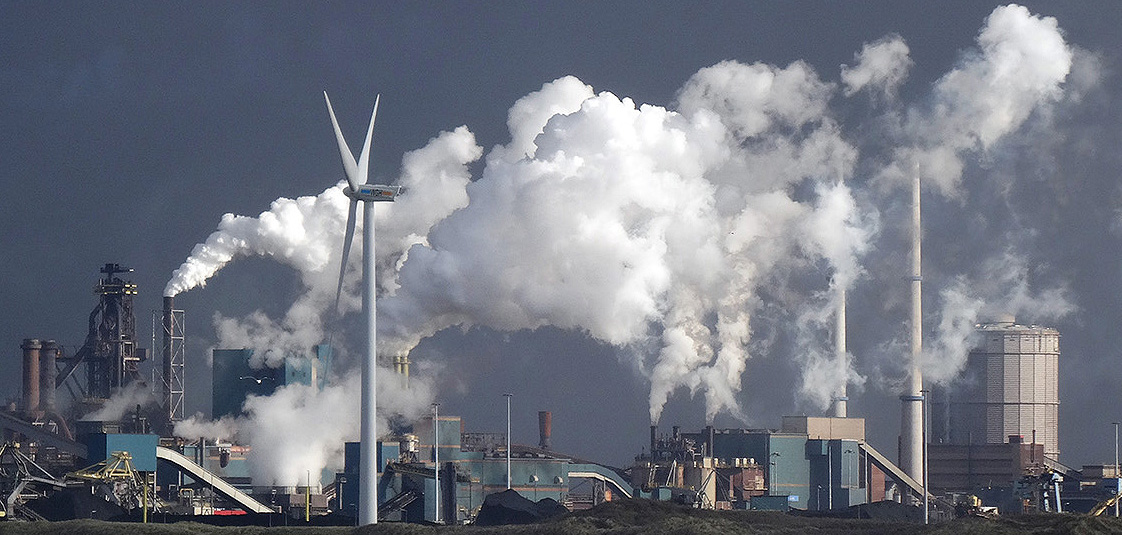
With the election of Joe Biden, the USA will have a president committed to tackling climate change. This is in stark contrast to Donald Trump, who has been publicly sceptical about the link between human action and climate change and has actively supported the coal, oil and gas industries and has rolled back environmental protection legislation and regulation.
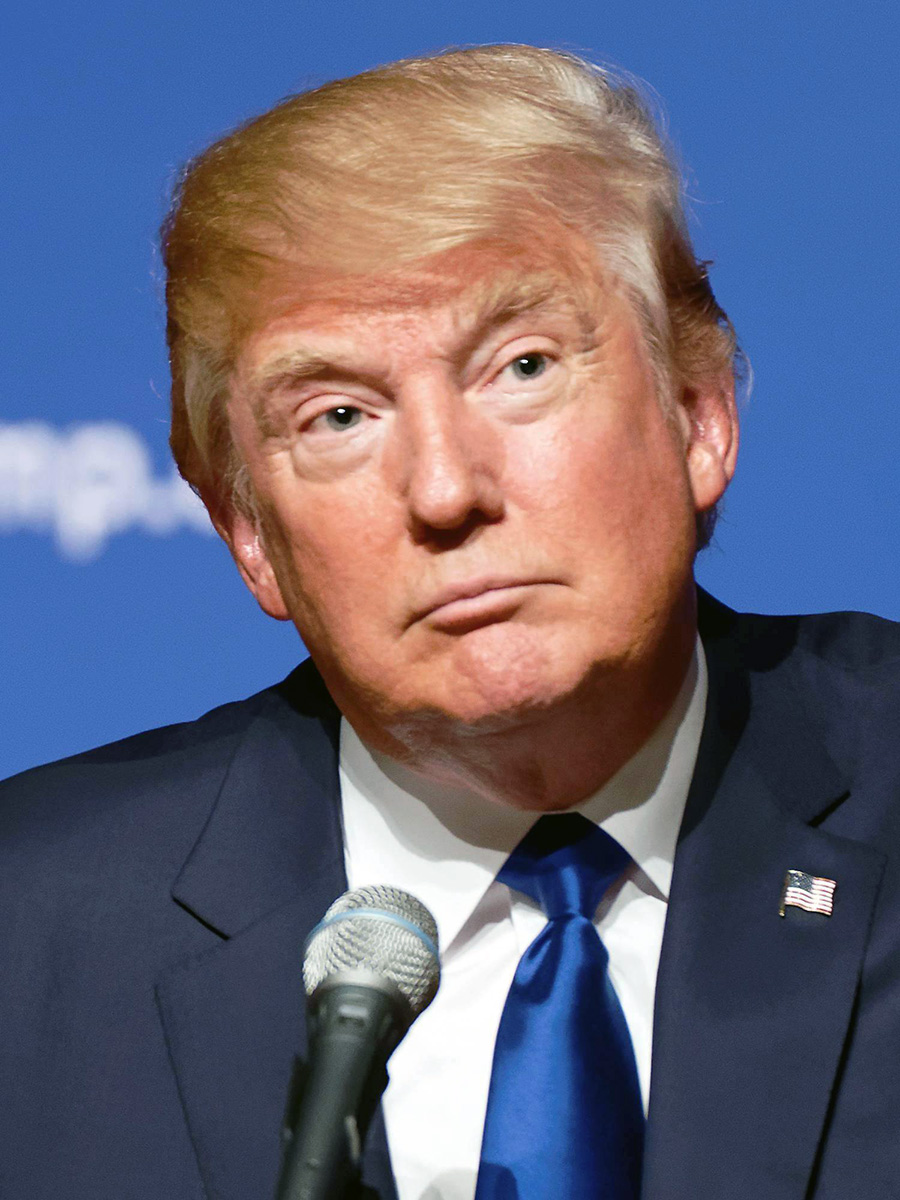 What is more, in June 2017, he announced that the USA would withdraw from the UN Paris Accord, the international agreement to cut greenhouse gas emissions so as to limit global warming to ‘well below’ 2°C above pre-industrial levels with efforts to limit it to 1.5°C. The USA’s withdrawal was finalised on 4 November 2020, a day after the US election. Joe Biden, however, pledged to rejoin the accord.
A growing number of countries are pledging to achieve carbon neutrality by mid-century or earlier. The EU is planning to achieve a 55% cut in greenhouse gas emissions by 2030 so as to reach neutrality by 2050. This will involve various taxes, subsidies and public investment. Similar pledges to achieve net zero emissions by 2050 have been made by Japan and South Korea and by 2060 by China. In the UK, legislation was passed requiring the government to reduce the UK’s net emissions 100% relative to 1990 levels by 2050 and thereby achieve net zero emissions.
Constraints on action
Short-termism. One of the problems with setting targets a long time in the future is that they take away the urgency to act now. There are huge time lags between introducing policies to curb carbon emissions and their impact on the climate. The costs of such policies for business and consumers, however, are felt immediately in terms of higher taxes and/or higher prices. Thus politicians may be quick to make long-term pledges but reluctant to take firm measures today. Instead they may prefer to appease various pressure groups, such as motoring organisations, and cut fuel taxes, or, at least, not raise them. Politically, then, it may be easier to focus policy on the short term and just make pledges without action for the future.
Externalities. Various activities that cause carbon emissions, whether directly, such as heavy industry, dairy farming, aviation and shipping, or indirectly, such as oil and coal production, thereby impose environmental costs on society, both at home and abroad. These costs are negative externalities and, by their nature, are not borne by those who produce them. There are often powerful lobbies objecting to any attempt to internalise these externalities through taxes, subsidising green alternatives or regulation. Take the case of the USA. Fossil fuel producers, energy-intensive industries and farmers all claim that green policies will damage their businesses, leading to a loss of profits and jobs. These groups were courted by Donald Trump.
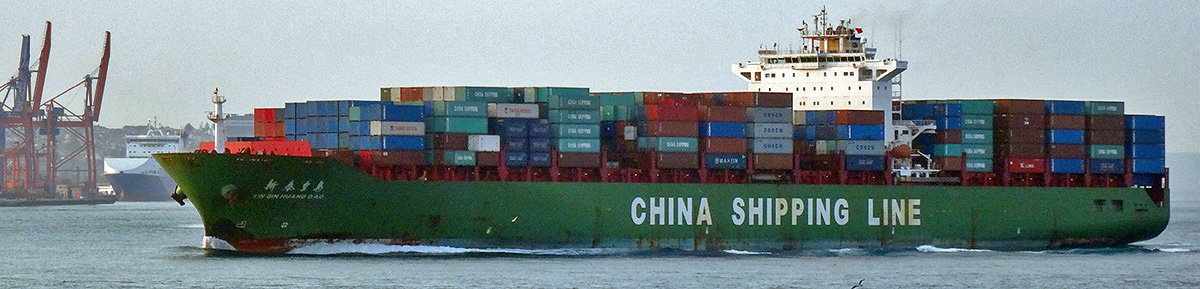
International competition. Countries may well be reluctant to impose green taxes or tough environmental regulation on producers, when competitors abroad do not face such constraints. Indeed, some countries are actively promoting dirty industries as part of their policies to stimulate economic recovery from the Covid-induced recession. Such countries include China, Russia and Turkey. This again was a major argument used in the Trump campaign that US industries should not be hobbled by environmental constraints but should be free to compete.
Misinformation. Politicians, knowing that taking tough environmental measures will be unpopular with large numbers of people, may well downplay the dangers of inaction. Some, such as Trump in America and Bolsonaro in Brazil deliberately appeal to climate change deniers or say that technology will sort things out. This makes it hard for other politicians to promote green policies, knowing that they will face scepticism about the science and the efficacy of their proposed policies.
Biden’s climate change policy
 Although it will be difficult to persuade some Americans of the need for tougher policies to tackle climate change, Joe Biden has already made a number of pledges. He has stated that under his administration, the USA will rejoin the Paris Climate Agreement and will play a leading role in the November 2021 UN COP26 climate change conference summit in Glasgow. He has also pledged a Clean Energy Revolution to put the USA on an ‘irreversible path to achieve economy-wide net-zero emissions no later than 2050’.
But readopting the pledges under the Paris Agreement and advocating a clean energy revolution are not enough on their own. Specific measures will need to be taken. So, what can be done that is practical and likely to meet with the approval of the majority of Americans or, at least, of Biden’s supporters?
For a start, he can reintroduce many of the regulations that were overturned by the Trump administration, such as preventing oil and gas companies from flaring methane on public lands. He could introduce funding for the development of green technology. He could require public buildings to use green energy.
According to the Clean Energy Revolution, the US government will develop ‘rigorous new fuel economy standards aimed at ensuring 100% of new sales for light- and medium-duty vehicles will be zero emissions and annual improvements for heavy duty vehicles’.
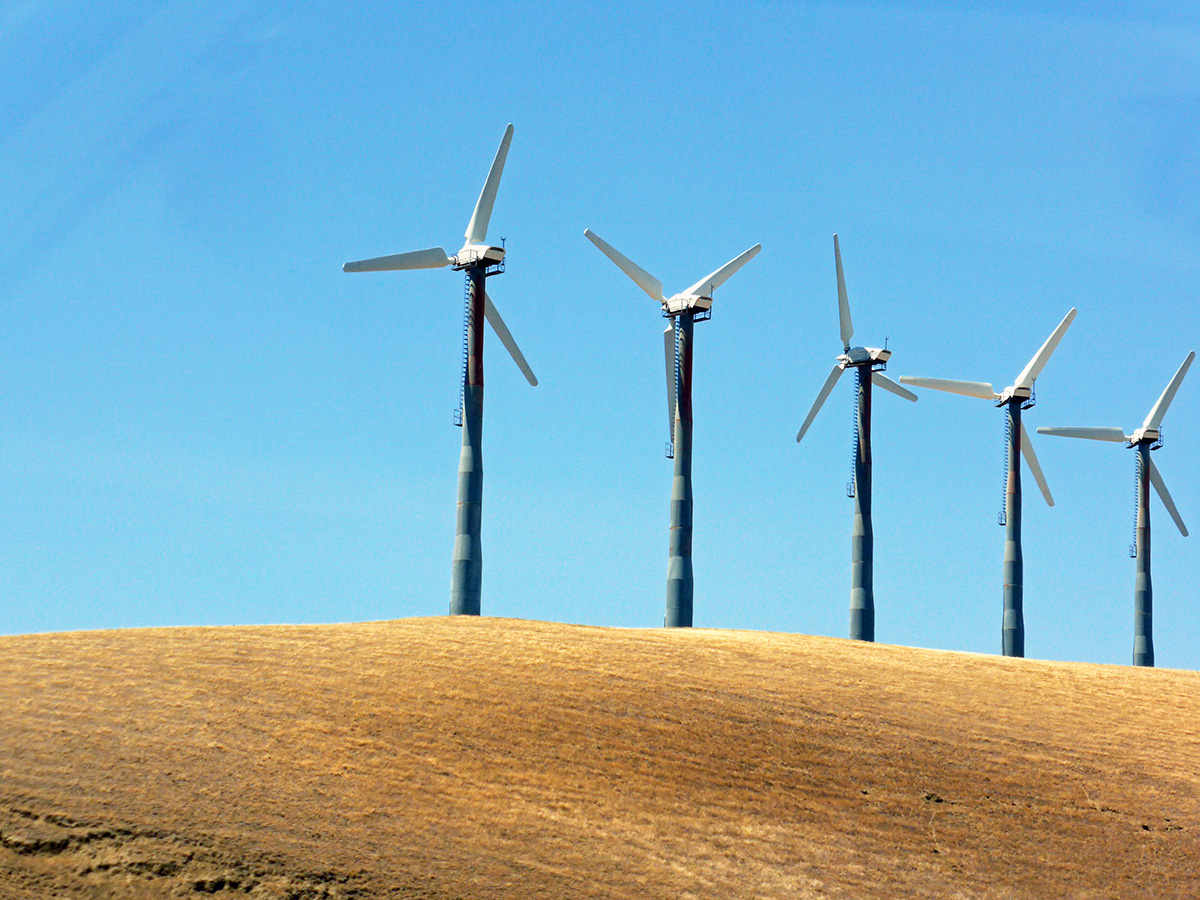 One of the biggest commitments is to tackle external costs directly by enacting ‘legislation requiring polluters to bear the full cost of their climate pollution’. This may be met with considerable resistance from US corporations. It is thus politically important for Biden to stress the short-term benefits of his policies, not just the long-term ones.
Given the damage done to the economy by the spread of the pandemic, perhaps the main thing that Biden can do to persuade people of the benefits to them of his policies is to focus on green investment and green jobs. Building a green energy infrastructure of wind, solar and hydro and investing in zero-emissions vehicles and charging infrastructure will provide jobs and lead to multiplier effects throughout the economy.
Articles
- Trump Administration Removes Scientist in Charge of Assessing Climate Change
The New York Times, Christopher Flavelle, Lisa Friedman and Coral Davenport (9/11/20)
- As U.S. leaves Paris accord, climate policy hangs on election outcome
The Washington Post, Brady Dennis, Juliet Eilperin and Dino Grandoni (5/11/20)
- Where next for US action on Climate Change?
British Foreign Policy Group, Evie Aspinall (11/11/20)
- Media reaction: What Joe Biden’s US election victory means for climate change
Carbon Brief, Josh Gabbatiss (10/11/20)
- Joe Biden: How the president-elect plans to tackle climate change
BBC News, Matt McGrath (10/11/20)
- Biden victory ushers in ‘race to the top’ on climate change
Lexology, Baker McKenzie, David P Hackett and Ilona Millar (13/11/20)
- Climate heroes: the countries pioneering a green future
The Guardian, Jonathan Watts (11/11/20)
- ‘Hypocrites and greenwash’: Greta Thunberg blasts leaders over climate crisis
The Guardian, Damian Carrington (9/11/20)
- Five post-Trump obstacles to a global green recovery
The Guardian, Jonathan Watts (11/11/20)
- Biden’s climate change plans can quickly raise the bar, but can they be transformative?
The Conversation, Edward R Carr (10/11/20)
- Jana Shea/Shutterstock Climate change: Joe Biden could ride a wave of international momentum to break deadlock in US
The Conversation, Richard Beardsworth and Olaf Corry (10/11/20)
- Climate change after COVID-19: Harder to defeat politically, easier to tackle economically
VoxEU, Franziska Funke and David Klenert (17/8/20)
Questions
- Identify three specific climate change policies of Joe Biden and assess whether each one is likely to succeed.
- Draw a diagram to illustrate why a free market will lead to over production of a good which produces negative externalities.
- To what extent can education internalise the positive externalities of green consumption and production?
- What was agreed at the Paris climate change conference in December 2015 and what mechanisms were put in place to incentivise countries to meet the targets?
- Will the coronavirus pandemic have had any lasting effects on emissions? Explain.
- How may carbon trading lead to a reduction in carbon emissions? What determines the size of such reductions?
 Many of you may have heard of nudge – the idea that governments can help people make better decisions by carefully designing the way a policy is structured and presented. Have you heard of sludge?
The most widely cited example of a nudge is changing a default option. The default option is what happens if you do nothing. For example, when you start a new job, are you automatically enrolled into the pension scheme or do you have to do something (i.e. fill-in an on-line form) to opt-in to the scheme. Changing the default option to one of being automatically enrolled in a scheme seems to have a big impact on the choices people make.
Recently, policy makers have started referring to ‘sludge’. Sludge is the opposite of nudge: i.e. characteristics about design and presentation that make it more difficult for people to make good decisions. Some businesses may use sludge to encourage consumers to spend more on their goods than they ever intended.
One interesting application of sludge is in the design of websites – referred to as Dark Patterns. The following are a number of different categories of dark pattern:
The last example, Forced Continuity, refers to the use of free trial periods and automatic renewal of contracts. Many people sign up for a free trial or special offer with the full intention of cancelling before the account automatically switches to the standard price.
 How often do people simply forget or never quite get around to cancelling these deals when the time comes? Some recent evidence comes from a YouGov Survey. Forty-seven percent of respondents to this survey reported having accidently signed up for an annual subscription because they either forgot or were unable to cancel their account. The estimated total cost of unwanted subscriptions per year was £837 million. The same YouGov survey found that one in eight people kept paying for over four months before finally getting around to cancelling.
One business has recently seen an opportunity to help people deal with this problem. Free Trial Surfing is a new App developed by the company, Do Not Pay. It became available via Apple’s App store in September but is not yet compatible with Android devices. It works in the following way.
When customers download the app, they receive a new credit card number and a false name. Although Do Not Pay register the card details to their own business, the customer can use the information to sign up for a free trial of a good or service. In effect, Do Not Pay acts as an intermediary between the firm offering the promotion and the user. Once the free trial period ends, the app automatically cancels the subscription. Importantly, the new credit card details only work when someone signs up for a free trial. Consumers cannot use it to purchase any other products. Obviously one major drawback to the app is that a consumer would have to sign up again with their own personal credit card if they wanted to continue to use the service after the free trial ends. Businesses may also try to block the use of Do Not Pay credit card numbers for their services.
It will be interesting to see if other businesses come up with interesting ways of helping us to deal with sludge.
Articles
Questions
- Give three different examples of nudges.
- What policies do government typically use to change peoples’ behaviour? How do these traditional approaches differ from nudge?
- Identify some biases from behavioural economics that might help to explain why so many people fail to cancel subscriptions once a free trial period ends.
- Choose two other types of dark pattern and explain how they might prevent people from making decisions that maximise their own welfare.
 We are coming into the big spending season, with Black Friday, Cyber Monday, the run-up to Christmas and then the winter sales. So will we all be rational maximisers and weigh up the utility we expect to receive from items against the price we pay (plus any other cost, such as time spent searching/shopping)? Or will we use a set of heuristics which make life easier and that we have found to be useful in helping us choose – heuristics such as buying things we’ve liked before, or going for things on special offer?
The answer is that we do probably use a set of heuristics, at least for many items. And don’t the retailers and the marketing firms they employ know this!
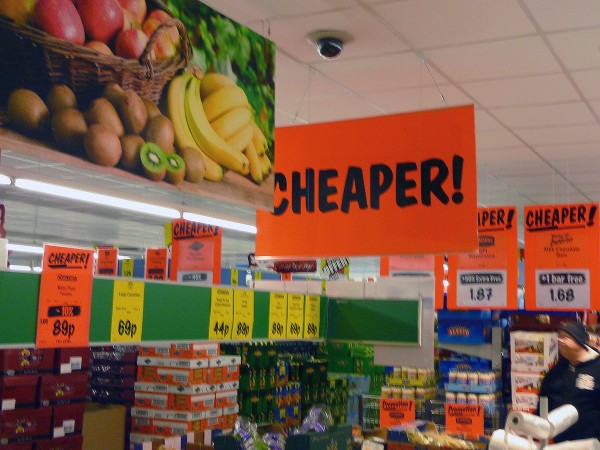
They will use all sorts of tricks of the trade to persuade us to part with our money. These tricks are designed to nudge us (or push us), without us feeling manipulated or conned – at least until we’ve bought their product.
And the tricks are getting more sophisticated. They include special offers which are not as good as they seem, time-limited offers which stimulate us to buy quickly without carefully thinking about what we’re doing, cunning positioning of products in shops to encourage us to buy things we had not planned to buy, adverts which play to our idealised perceptions or the ‘good life’ or what we would like to achieve, and packaging or display which make the product seem better than it is.

Also we are increasingly faced with targeted advertising where our smart devices capture information about our spending habits and tastes through our previous online spending or our search behaviour. This is then fed to advertisers to tailor adverts specifically to us on our mobiles, tablets, laptops and even, soon, on our smart TVs.
We may have a general desire to maximise utility from our spending, but market failures, such as consumers having imperfect information about products and a present bias (see also) in decision making, make us easy targets for the advertising and marketing industry. They understand the heuristics we use and try to take maximum advantage of them.
Happy shopping!
Articles
How shops use tricks to get you spending The Conversation, Cathrine Jansson-Boyd (16/11/17)
ColourPop looks to Qubit for next-gen personalization guidance Retail Dive, Dan O’Shea (13/6/17)
Channel 4 to offer 100% ad targeting across All 4 platform, seeking partners for linear equivalent The Drum, Jessica Goodfellow (14/11/17)
How Google aims to bring TV advertising into the 21st century The Drum, Ronan Shields (19/10/17)
How to Use Heuristics to Your Marketing Advantage MarketingProfs, Cam Secore (12/11/15)
Questions
- Does the use of heuristics contradict the assumption that consumers behave rationally?
- Give some examples of heuristics that you yourself use.
- Other than those identified above and in the first article, what ‘tricks’ might companies play on you to persuade you to buy their products?
- Is advertising personally targeted to individual consumers desirable for them?
- Give some examples of present bias in people’s behaviour.
- What factors should a retailer take into account when deciding whether to make pre-Christmas discounts?
- Explain what is meant by ‘affect heuristic’ and how the advertising industry uses the concept in setting the background to or scenario of an advertisement.
- Have you ever been persuaded into buying something you didn’t want? Why were you persuaded?
 Is Trump playing chicken with Iran?