 After weak Christmas trading, Tesco issued a profit warning – its first in 20 years. Following this, their shares fell in value by some £5bn, but this was met with an announcement of the creation of 20,000 jobs in the coming years, as part of a project to train staff, improve existing stores and open new ones. Yet, Tesco has reported another quarter of falling sales.
Trading times have been challenging and the fact that the UK’s biggest supermarket is struggling is only further evidence to support this. In the 13 weeks to the 26th May 2012, Tesco reported a decline in like-for-like sales of 1.5%. Although much of the £1bn investment in Tesco is yet to be spent, the fact that sales have fallen for a full year must be of concern, not only to its Chief Executive, but also to analysts considering the economic future for the UK.
Consumer confidence remains low and together with tight budgets, shoppers are continuing to be very cautious of any unnecessary spending. Part of Tesco’s recent drive to drum up sales has been better customer service and a continuing promotion war with the other supermarkets. This particular sector is highly competitive and money-off coupons and other such promotions plays a huge part in the competitive process. Whilst low prices are obviously crucial, this is one sector where non-price competition can be just as important.
Although Tesco sales in the UK have been nothing to shout about – the Chief Executive said their sales performance was ‘steady’ – its total global sales did increase by 2.2%. The Chief Executive, Mr Clarke said:
‘Internationally, like-for-like sales growth proved resilient, despite slowing economic growth in China…Against the backdrop of continued uncertainty in the eurozone, it is pleasing to see that our businesses have largely sustained their performance.’
A boost for UK sales did come with the Jubilee weekend and with the Olympics just round the corner, Tesco will be hoping for a stronger end to the year than their beginning. The following articles consider Tesco’s sales and the relative performance of the rest of the sector.
Tesco’s quarterly sales hit by ‘challenging’ trading BBC News (11/6/12)
Tesco UK arm notches up one year of falling sales Guardian, Zoe Wood (11/6/12)
Tesco upbeat despite new sales dip Independent, Peter Cripps (11/6/12)
Tesco sales seen lower in first quarter Reuters, James Davey(11/6/12)
The Week Ahead: Tesco set to admit it is losing ground to rivals Independent, Toby Green (11/6/12)
Tesco’s performance in the UK forecast to slip again Telegraph, Harry Wallop (10/6/12)
Tesco: What the analysts say Retail Week, Alex Lawson (11/6/12)
Supermarkets issue trading updates The Press Association (9/6/12)
The Week Ahead: Supermarkets prepare to give City food for thought Scotsman, Martin Flanagan (11/6/12)
Asda’s sales growth accelerates Reuters, James Davey (17/5/12)
Asda sales increase helped by Tesco Telegraph, Harry Wallop (18/5/12)
Tesco v. Sainsbury’s in trading update battle Manchester Evening News (11/6/12)
Sainsbury’s out-trades Tesco on UK food sales Independent, James Thompson (10/6/12)
Questions
- Using some examples, explain what is meant by non-price competition.
- Why has Tesco been losing ground to its competitors?
- Given the products that Tesco sells (largely necessities), why have sales been falling, despite household’s tight budgets?
- Into which market structure would you place the supermarket sector? Explain your answer by considering each of the assumptions behind the market structure you choose.
- Why have Tesco’s rivals been gaining ground on Tesco?
- How might this latest sales data affect Tesco’s share prices?
- Based on what the analysts are saying about the food sector, can we deduce anything about the future of the UK economy in the coming months?
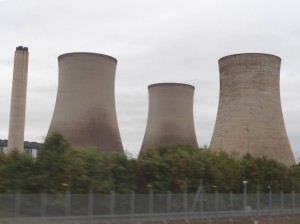 Centrica, owners of British Gas, has warned that electricity and gas prices in the UK are set to rise in the autumn. Centrica blames this on the expected rise in the costs of wholesale gas and other non-energy inputs.
One of the other ‘big six’ energy suppliers, E.On, has responded by saying that it will not raise energy prices this year. Whether it will raise prices after 1 Jan next year remains to be seen.
Last autumn, household energy prices rose substantially: between 15.4% and 18% for gas and between 4.5% and 16% for electricity. This spring, in response to lower wholesale energy prices, suppliers cut prices for either electricity or gas (but not both) by around 5%.
The government and various pressure groups are encouraging consumers to use price comparison sites to switch to a cheaper supplier. The problem with this is that supplier A may be cheaper than supplier B one month, but B cheaper than A the next. Nevertheless, switching does impose some degree of additional competitive pressure on suppliers.
More powerful pressure could be applied by ‘collective switching’. This is where a lot of people switch via an intermediary company, which sources a deal from an energy supplier. This collective buying is a form of countervailing power to offset the oligopoly power of the suppliers. Such schemes are being encouraged by the Energy Minister, Ed Davey.
The other approach, apart from doing nothing, is for Ofgem, the energy regulator, to impose tough conditions on pricing. But at present, Ofgem’s approach has been to try to make the market more competitive (see also), rather than regulating prices.
British Gas owner Centrica warns of higher energy bills BBC News (11/5/12)
E.ON to keep residential energy prices unchanged in 2012 Reuters, Adveith Nair (14/5/12)
E.ON promises to hold energy prices for 5million customers in 2012 This is Money, Tara Evans (14/5/12)
British Gas owner Centrica feels cold blast from critics ShareCast, John Harrington (11/5/12)
Gas and electricity price battle lines drawn BBC News (14/5/12)
Taking on the energy giants: The co-operative insurgency gains ground Left Foot Forward, Daniel Elton (11/5/12)
Group Energy Buying hits the UK Headlines Spend Matters UK/Europe, Peter Smith (11/5/12)
Think tank calls for competition to break Big Six rip-off Energy Live News, Tom Gibson (30/4/12)
Collective switching will not fix the UK’s broken energy market Guardian, Reg Platt (27/4/12)
Make your own small switch for cheaper energy The Telegraph, Rosie Murray-West (14/5/12)
Questions
- What are the barriers to entry in the electricity supply market?
- How competitive is the retail energy market at present?
- To what extent do price comparison sites put pressure on energy companies to reeduce prices or limit price increases?
- What scope is there for collective buying of gas and electricity from the six energy suppliers by (a) households; (b) firms?
- Assess Ofgem’s package of proposals for a simpler and more competitive energy market.
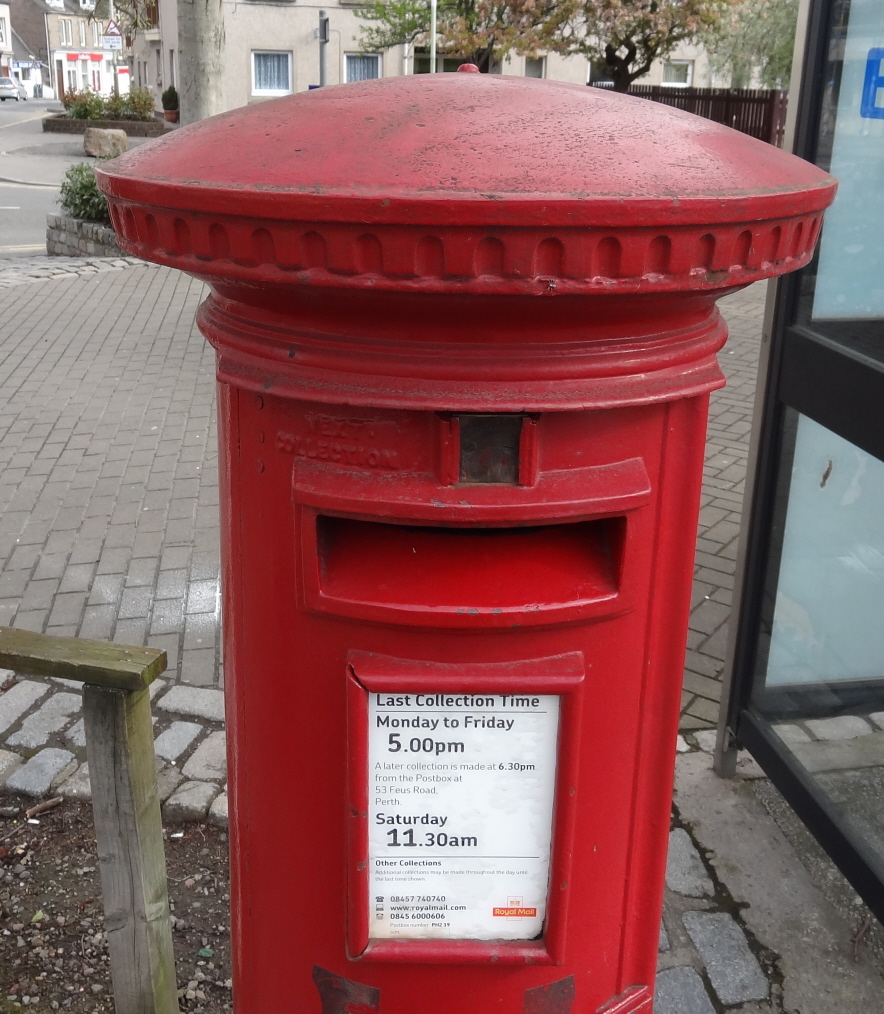
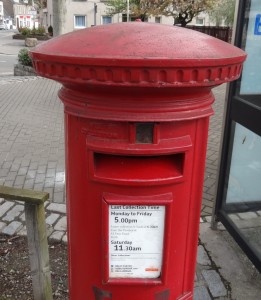 46p – that buys you a First Class stamp. However, the price will now rise to 60p and the price of a Second Class stamp will increase to 50p from 36p, as Ofcom lifts some price caps. These significant price rises have seen shortages of stamps emerging across the country. As people anticipate the price rise, individuals and businesses are buying up stamps while they remain relatively cheap.
The problem is that this has started to result in a stamp shortage, so much so that the Royal Mail has now begun rationing retailers’ supply of stamps, capping each retailers’ supply this month to 20% of its annual allocation. A Royal Mail spokesman said:
“We are more than happy for retailers to receive the normal commercial return they obtain on stamps and no more than that … That is why we have put in place a prudent allocation policy to safeguard Royal Mail’s revenues and ensure there are more than enough stamps for people to buy both now and in the future.”
With postage volumes falling, as individuals turn to other methods of communication, Royal Mail says that this price rise is essential to keep this universal service going. Revenues have been low and the Royal Mail has been loss-making for some time.
However, while the price rise may help the Royal Mail, many businesses may suffer in its place. One optician, who sends out approximately 5,000 reminders to patients each year intends to bulk-buy 10,000 stamps in the hopes of saving some £1,400 when prices of stamps rise. An IT worker bought 20 books of 12 first-class stamps and said ‘If I could afford it, I would buy a lot more’. Many are unhappy at the ‘shameless profiteering at the public’s expense’, but whatever your opinion about the price rise, it does make for an interesting case of demand and supply. The following articles consider this stamp shortage.
Man’s 10,000 stamp panic: stampede for stamps leaves a 1st class mess as Royal Mail introduces rationing ahead of 30% price rise Mail Online, Colin Fernandez and John Stevens (15/4/12)
Stamps rationed by Royal Mail in run up to price rise (including video) BBC News (13/4/12)
Stamp rationing could hit pensioners Telegraph, James Hall (14/3/12)
Stamp sales limited ahead of price hike Sky News (13/4/12)
How stamp collecting came unstuck Guardian, Hunter Davies (13/4/12)
Royal Mail limits supply of stamps ahead of price rise Telegraph, James Hall and Andrew Hough (12/4/12)
’Profiteering’ Royal Mail limits supply of stamps before price rise Guardian, David Batty (13/4/12)
Royal Mail’s stamp price rises come into force BBC News (30/4/12)
How businesses will be affected by Royal Mail’s changing prices BBC News, Catherine Burns (28/4/12)
Questions
- If people expect prices to rise, what will happen to the demand curve? Illustrate this idea on a demand and supply diagram?
- If suppliers anticipate a price rise, what would their best strategy be?
- On a demand and supply diagram, illustrate the shortage of stamps that has emerged. If left to the free market, what should happen to the price of stamps?
- Why could pensioners and those in rural areas be the most adversely affected by this shortage and price rise?
- Why could ‘children and new collectors’ be priced out of the market?
- Why will small businesses be affected by this price hike? How could their customers be affected?
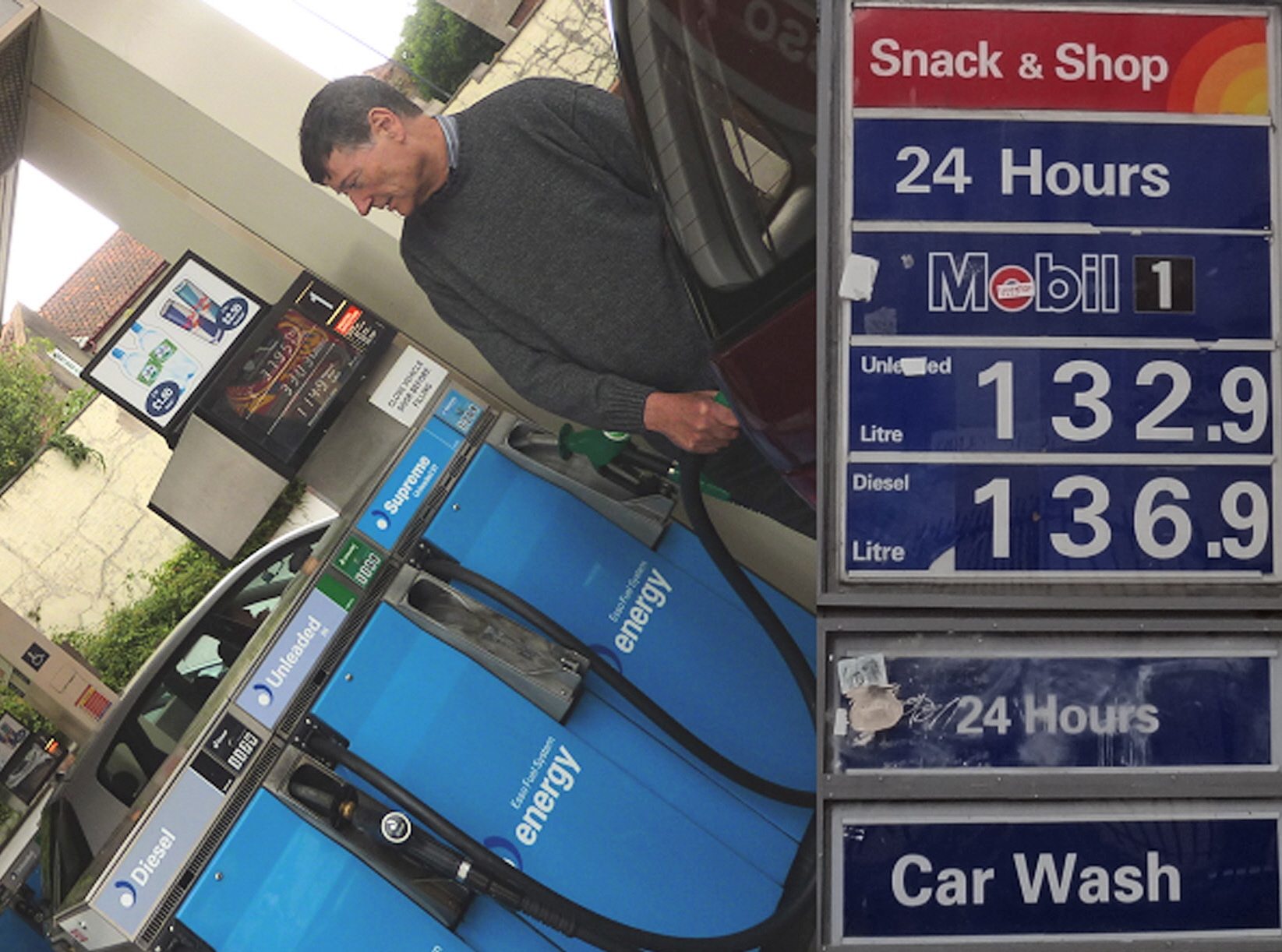
 One problem for motorists at the moment is the cost of petrol, where prices have reached over 1.37p on average, as we considered in the blog It’s fuelling anger. However, another problem could soon materialise and that is no petrol. Back in 2000, there was massive disruption to the public with a fuel blockade and a similar thing could occur, following the ‘yes’ vote by fuel tank drivers in favour of strike action.
Over the past few years, strikes have occurred across a variety of industries and if this one did happen with no contingency plan in place, disruption would be significant to both private individuals and companies. Drivers from Unite (the trade union) supply over 90% of fuel to UK garages and so any strike could lead to the closure of up to 7,900 stations.
However, the government has begun to consider the worst case scenario, if talks do not work with plans to begin training army drivers. There are concerns that without these plans in place, disruption across the country may occur with supermarkets, garages and airports all facing fuel shortages. Those who have a job that relies on travel, or even those who simply use their cars or buses to get to work will also feel the effects. Other problems within the emergency services could also emerge, but the government has assured the public that their fuel would be prioritised. The following articles consider this issue.
Fuel strike drivers vote yes in row over conditions BBC News (26/3/12)
Plan for fuel strike, says Downing Street Financial Times, George Parker (27/3/12)
Talks urged to avert fuel tanker strike Independent, Andrew Woodcock and David Mercer (27/3/12)
Ed Miliband: Fuel strike must be avoided at all costs Telegraph, James Hall (27/3/12)
All striking tanker drivers want is responsible minimum standards Guardian, Len McCluskey (27/3/12)
Questions
- If a trade union bargains for higher wages, what is the likely effect on employment and unemployment?
- How might strike action by tankers affect businesses?
- Are there likely to be any adverse long term effects if strike action does occur over Easter?
- How could strike action affect a firm’s costs of production? Think in particular about those who rely on travel as part of the business.
- What other options are there to trade unions, besides striking? Assess the effectiveness of each of the options.
- If a shortage of petrol emerged, what would you expect to happen to its market price?
 Advertising is a costly venture, but for firms in a highly competitive market it can be essential for success. During the recession, many firms had to make a variety of cut backs and reduced advertising for many was one of the key areas to go.
However, one of the leading advertising companies – WPP – has posted significant profits this year, which are up by some 18.5%, reaching £1.008bn. According to Sir Martin Sorrell, a key factor in this success is that many firms, whilst not looking to increase their market share, have felt the need to continue advertising, simply to maintain their existing market share. This has become especially important in growing markets, as competition has become more and more intense.
This new is not only good for the company in question, but also for the UK economy, as the firm has said that it will be moving its headquarters back from Ireland to the UK. This is assuming that legislation is passed concerning the taxation of profits earned abroad. If this relocation does go ahead, it could mean the creation of many more jobs in the UK and a boost to tax revenues, both of which are crucial for the UK economy. As Sir Martin Sorrell said:
‘I am delighted to say that the last remaining issues I think have been removed subject to legislation being introduced in Parliament. We will be coming back subject to shareholder approval’.
WPP believes growth throughout 2012 will be high, due to events such as the Olympics and the US Presidential elections, together with its strength in emerging economies. At the moment, this all looks like good new for the UK and oh how it’s needed!
WPP profit up ahead of 2012 Olympics boost Reuters (1/3/12)
WPP’s Martin Sorrell says he is likely to move HQ back to London Guardian, Mark Sweney (1/3/12)
Olympics, Election to boost WPP Wall Street Journal, Kathy Gordon (1/3/12)
WPP breaks £1bn profit barrier Guardian, Mark Sweney (1/3/12)
WPP boosts dividend after strong year Financial Times, Tim Bradshaw and Mark Wembridge (1/3/12)
WPP profits reach record in 2011 BBC News (1/3/12)
Questions
- What is market share and how can it be calculated?.
- What is the purpose of advertising. Using a supply and demand diagram, illustrate the effect the advertising should have. Think about the position and the shape of the curves.
- Why is advertising an area that did see cut backs throughout the recession?
- Do you think that advertising is more important for firms in growing markets? Explain your answer.
- Why did WPP relocate to Ireland and what may bring it back to the UK?
- How have WPP’s dividend payments been affected by this latest profit information?
- During a recession, competition tends to become more intense. Why is this and what role does advertising play?
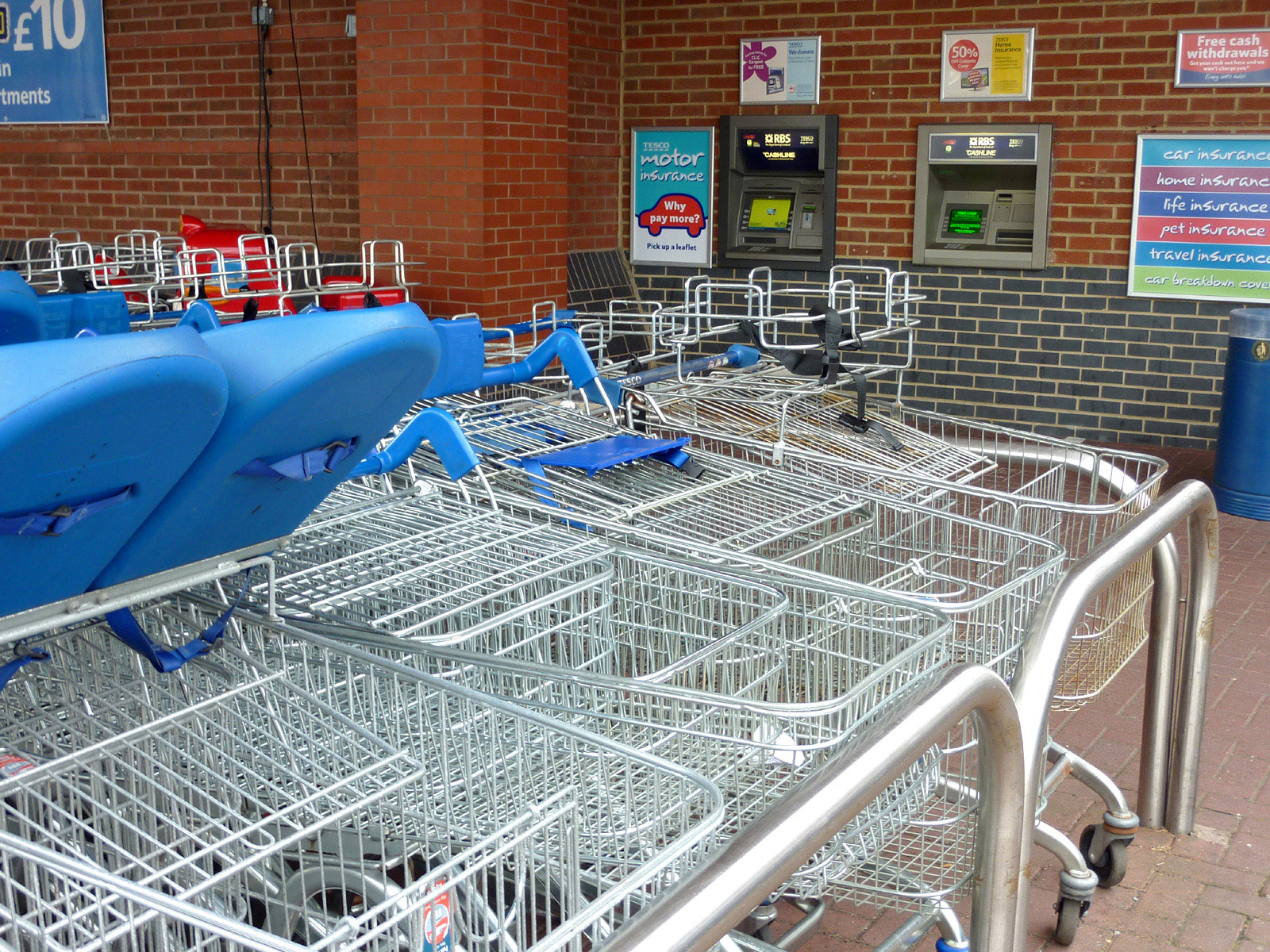 After weak Christmas trading, Tesco issued a profit warning – its first in 20 years. Following this, their shares fell in value by some £5bn, but this was met with an announcement of the creation of 20,000 jobs in the coming years, as part of a project to train staff, improve existing stores and open new ones. Yet, Tesco has reported another quarter of falling sales.