 One of the major economic concerns about the COVID-19 pandemic has been the likely long-term scarring effects on economies from bankruptcies, a decline in investment, lower spending on research and development, a loss of skills, discouragement of workers, disruption to education, etc. The result would be a decline in potential output or, at best, a slower growth. These persistent effects are known as ‘hysteresis’ – an effect that persists after the original cause has disappeared.
In a speech by Dave Ramsden, the Bank of England’s Deputy Governor for Markets & Banking, he argued that, according to MPC estimates, the pandemic will have caused a loss of potential output of 1.75%. This shortfall may seem small at first sight, so does it matter? According to Ramsden:
The answer is definitely yes for two reasons. First, a 1¾% shortfall as a share of annual GDP for the UK … represents roughly £39 billion – for context, that’s about half of the education budget. And second, that 1¾% represents a permanent shortfall, or at least a very persistent one, on top of the impact of the immediate downturn. If you lose 1¾% of GDP every year for ten years, then in total you have lost 17.5% of one year’s GDP, or around £390bn in 2019 terms
However, as the IMF blog linked below argues, there may be positive supply-side effects which outweigh these scarring effects, causing a net rise in potential GDP growth. There are two possible reasons for this.
 The first is that the pandemic may have hastened the process of digitalisation and automation. Examples include ‘video conferencing and file sharing applications to drones and data-mining technologies’. According to evidence from a sample of 15 countries cited in the blog, a 10% rise in such intangible capital investment is associated with about a 4½% rise in labour productivity. ‘As COVID-19 recedes, the firms which invested in intangible assets, such as digital technologies and patents may see higher productivity as a result.’
The second is a reallocation of workers and capital to more productive sectors. Firms in some sectors, such as leisure, hospitality and retail, have relatively low labour productivity. Many parts of these industries have declined during the pandemic, especially those with high labour intensity. At the same time, there has been a rise in employment in firms where output per worker is higher. Such sectors include e-commerce and those where remote working is possible. The greater the reallocation from low labour-productivity to high labour-productivity sectors, the more will overall labour productivity rise and hence the more will potential output increase.
The size of these two effects will depend to a large extent on expectations, incentives and government policy. The blog cites four types of policy that can help investment and reallocation.
- Improved insolvency and restructuring procedures to enable capital in failed firms to be reallocated to sectors with potential for growth.
- Promoting competition to enable the exit and entry of firms into expanding sectors and to prevent powerful firms from blocking the process.
- Refocusing policy from retaining labour in existing jobs to reskilling workers for new jobs, thereby improving labour mobility from declining to expanding sectors.
- Addressing financial bottlenecks, so as to ensure adequate access to financing for viable firms.
Whether there will be a net increase or decrease in productivity from the pandemic very much depends on the extent to which firms and workers are able and willing to take advantage of new opportunities and the extent to which government supports investment in and reallocation to high-productivity sectors.
Blogs, articles and speeches
Questions
- Can actual economic growth be greater than potential economic growth (a) in the short run; (b) in the long run?
- Give some example of scarring effects from the COVID-19 pandemic.
- What effects might short-term policies to tackle the recession caused by the pandemic have on longer-term potential economic growth?
- What practical policies could governments adopt to encourage the positive supply-side effects of the pandemic? To what extent would these policies have negative short-term effects?
- Why might (endogenous) financial crises result in larger and more persistent reductions in potential output than exogenous crises, such as a pandemic or a war?
- Distinguish between interventionist and market-orientated supply-side policies to encourage the reallocation of labour and capital to higher-productivity sectors.
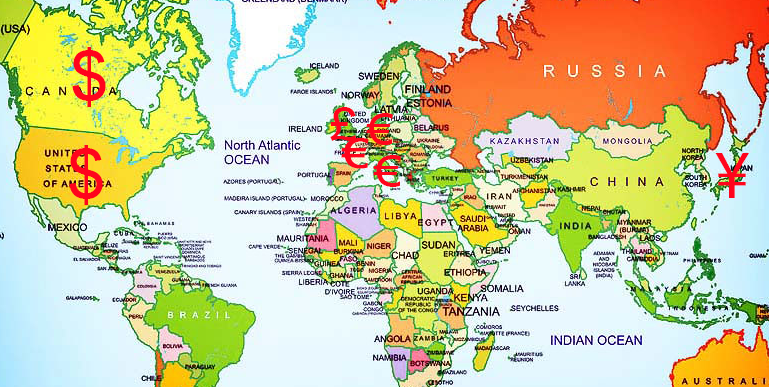 At a meeting of the G7 finance ministers in London from 4–5 June, it was agreed to adopt a minimum corporate tax rate of 15% and to take measures to prevent multinational companies using tax havens to avoid paying taxes. It was also agreed that part of the taxes paid should go to the countries where sales are made and not just to those where the companies are based.
This agreement is the first step on the road to a comprehensive global agreement. The next step is a meeting of the finance ministers and central bank governors of the G20 countries in Venice from 9 to 10 July. The G7 ministers hope that their agreement will be adopted by this larger group, which includes other major economies such as Russia, China, India, Brazil, Australia, South Korea and South Africa.
Later in July, the proposals will be put to a group of 139 countries and jurisdictions at a meeting co-ordinated by the OECD. It is hoped that this meeting will finalise an international agreement with precise details on corporate tax rules. It follows work by the OECD on reforming international taxation under its Framework on Base Erosion and Profit Shifting (BEPS).
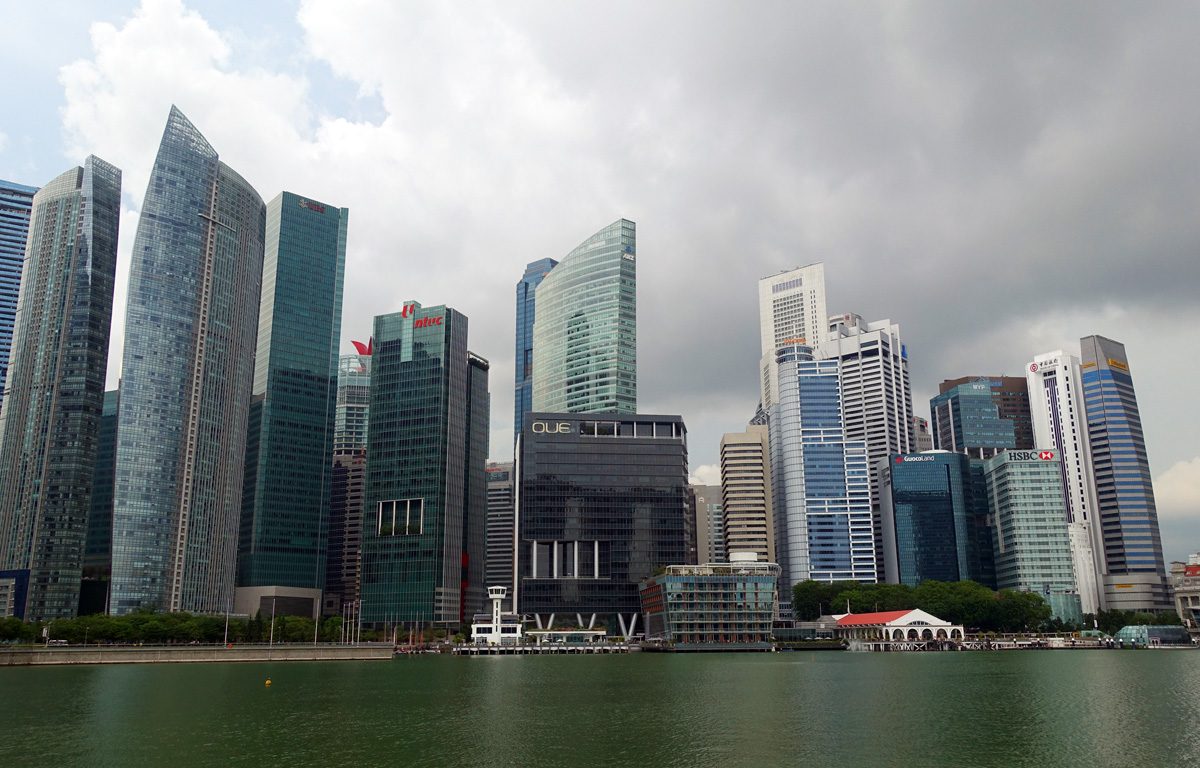 These meetings follow growing concerns about the ability of multinational companies to avoid taxes by basing regional headquarters in low-tax countries, such as Luxembourg or Singapore, and declaring their profits there, despite having only a tiny proportion of their sales in these countries.
The desire to attract multinational profits has led to a prisoners’ dilemma situation, whereby countries have been competing against each other to offer lower taxes, even though it reduces global corporate tax revenues.
With many countries having seen a significant rise in government deficits as result of the COVID-19 pandemic and the support measures put in place, there has been a greater urgency to reach international agreement on corporate taxes. The G7 agreement, if implemented, will provide a significant increase in tax revenue.
Details of the G7 agreement
The agreement has two parts or ‘pillars’.
Pillar 1 allows countries to tax large multinationals earning global profits of more than 10% if these companies are not based there but earn revenues there. Countries will be given tax rights over at least 20% of the profits earned there which exceed the 10% margin. The level of profits determined for each country will be based on the proportion of revenues earned there.
Pillar 2 sets a minimum corporate tax rate of 15% for each of the seven countries, which call on other countries to adopt the same minimum. The hope is that the G20 countries will agree to this and then at the OECD meeting in July a global agreement will be reached. If a country chooses to charge a rate below 15%, then a top-up tax can be applied by the home country to bring the total rate up to the 15%.
It is possible that these proposals will be strengthened/amended at the G20 and OECD meetings. For example, the 15% minimum rate may be raised. Indeed, the USA had initially proposed a 25% rate and then 21%, and several EU countries such as France, have been pushing for a substantially higher rate.
Analysis
The agreement was hailed as ‘historic’ by Rishi Sunak, the UK Chancellor of the Exchequer. This is true in that it is the first time there has been an international agreement on minimum corporate tax rates and locating part of tax liability according to sales. What is more, the rules may be strengthened at the G20 and/or OECD meetings.
There have been various criticisms of the agreement, however. The first is that 15% is too low and is well below the rates charged in many countries. As far as the UK is concerned, the IPPR think tank estimates that the deal will raise £7.9bn whereas a 25% rate would raise £14.7bn.
 Another criticism is that the reallocation of some tax liabilities to countries where sales are made rather than where profits are booked applies only to profits in excess of 10%. This would therefore not affect companies, such as Amazon, with a model of large-scale low-margin sales and hence profits of less than 10%.
Also there is the criticism that a 20% reallocation is too low and would thus provide too little tax revenue to poor countries which may record large sales but where little or no profits are booked.
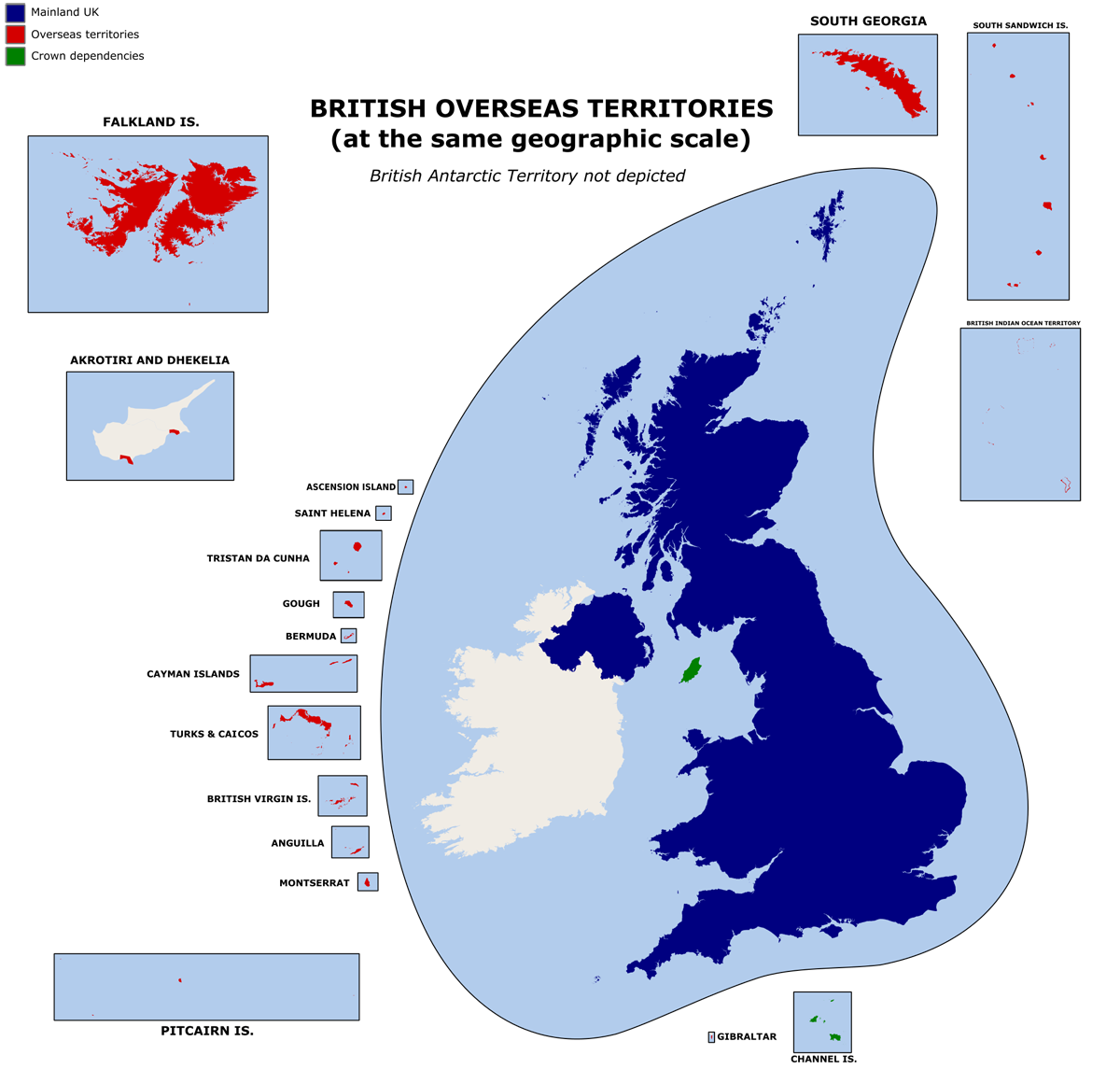 The UK was one of the more reluctant countries to sign up to a deal that would have a significant impact on tax havens in various British overseas territories and crown dependencies, such as the British Virgin islands, Bermuda, the Cayman Islands, the Channel Islands and Isle of Man. The agreement also calls into question whether the announced UK freeports can go ahead. Although these are largely concerned with waiving tariffs and other taxes on raw materials and parts imported into the freeport, which are then made into finished or semi-finished products within the freeport for export, they are still seen by many as not in the spirit of the G7 agreement.
What is more, the UK has been pushing for financial services to be exempted from Pillar 1 of the deal, which would otherwise see taxes partly diverted from the UK to other countries where such firms do business. For example, HSBC generates more than half its income from China and Standard Chartered operates mostly in Asia and Africa.
Update: July 2021
The G7 plan was agreed by the finance ministers of the G20 countries on July 11 in Venice. By that point, 130 of the 139 countries which are part of the Inclusive Framework of the OECD and which represent more than 90% of global GDP, had signed up to the plan and it was expected that there would be a global agreement reached at the OECD meeting later in the month. The other nine countries were Ireland, Hungary and Estonia in the EU and Kenya, Nigeria, Peru, Sri Lanka, Barbados and Saint Vincent and the Grenadines. Several of these countries use low corporate taxes to encourage inward investment and are seen as tax havens.
Videos
Articles
- G-7 nations reach historic deal on global tax reform
CNBC, Silvia Amaro, Joanna Tan and Emma Newburger (5/6/21)
- Rishi Sunak hails ‘historic’ breakthrough as G7 ministers agree global tech tax deal
The Telegraph, Lucy Burton and Edward Malnick (5/6/21)
- G7 backs Biden’s sweeping overhaul of global tax system
CNN, Tara John and Kevin Liptak (5/6/21)
- ‘Historic’ G7 deal to stop global corporate tax avoidance welcomed by tech giants Google and Facebook
Sky News, Ajay Nair (6/6/21)
- Finance Leaders Reach Global Tax Deal Aimed at Ending Profit Shifting
New York Times, Alan Rappeport (5/6/21)
- G7 strikes historic agreement on taxing multinationals
Financial Times, Chris Giles (5/6/21)
- G7 tax deal is ‘starting point’ on road to global reform
LAPM Journal, Chris Giles and Delphine Strauss (FT) (6/6/21)
- G7 tax deal doesn’t go far enough, campaigners say
BBC News (6/6/21)
- Rishi Sunak announces ‘historic agreement’ by G7 on tax reform
The Observer, Phillip Inman and Michael Savage (5/6/21)
- G7 deal is as much about balance of power as global tax reform
The Guardian, Richard Partington (6/6/21)
- Global G7 deal may let Amazon off hook on tax, say experts
The Guardian, Jasper Jolly (6/6/21)
- Explainer: G7 tax deal – what was agreed and what does it mean for Ireland?
The Irish Times, Cliff Taylor (5/6/21)
- G7 deal: UK is badly conflicted between offshore tax havens and Biden’s global tax drive
The Conversation, Atul K. Shah (4/6/21)
- G7 tax dodging deal ‘sets bar so low companies can just step over it’
Independent, Emily Goddard (6/6/21)
- UK pushes for City of London to be exempt from G7 tax plan
The Guardian, Phillip Inman and Richard Partington (9/6/21)
- The global pandemic, sustainable economic recovery, and international taxation
Independent Commission for the Reform of International Corporate Taxation (May 2020)
- G20 finance ministers back deal to tax companies
BBC News (11/7/21)
Questions
- How are multinationals currently able to avoid paying corporate taxes in many countries, even though their sales may be high there?
- If the deal is accepted at the OECD meeting in July, would it still be in the interests of low-tax countries to charge tax rates below the agreed minimum rate?
- Why was the UK reluctant to accept the 21% rate proposed by the Biden administration?
- Find out about the digital services tax that has been adopted by many countries, including EU countries and the UK, and why it will be abolished once a minimum corporate tax comes into force.
- Argue the case for and against taxing the whole of multinational profits in countries where they earn revenue in proportion to the company’s total global revenue. Would such a system benefit developing countries?
- Should financial services, such as those provided by City of London firms, be exempted from the deal?
 In a series of five podcasts, broadcast on BBC Radio 4 in the first week of January 2021, Amol Rajan and guests examine different aspects of inequality and consider the concept of fairness.
As the notes to the programme state:
The pandemic brought renewed focus on how we value those who have kept shelves stacked, transport running and the old and sick cared for. So is now the time to bring about a fundamental shift in how our society and economy work?
The first podcast, linked below, examines the distribution of wealth in the UK and how it has changed over time. It looks at how rising property and share prices and a lightly taxed inheritance system have widened inequality of wealth.
It also examines rising inequality of incomes, a problem made worse by rising wealth inequality, the move to zero-hour contracts, gig working and short-term contracts, the lack of social mobility, austerity following the financial crisis of 2007–9 and the lockdowns and restrictions to contain the coronavirus pandemic, with layoffs, people put on furlough and more and more having to turn to food banks.
Is this rising inequality fair? Should fairness be considered entirely in monetary terms, or should it be considered more broadly in social terms? These are issues discussed by the guests. They also look at what policies can be pursued. If the pay of health and care workers, for example, don’t reflect their value to our society, what can be done to increase their pay? If wealth is very unequally distributed, should it be redistributed and how?
The questions below are based directly on the issues covered in the podcast in the order they are discussed.
Podcast
Questions
- In what ways has Covid-19 been the great ‘unequaliser’?
- What scarring/hysteresis effects are there likely to be from the pandemic?
- To what extent is it true that ‘the more your job benefits other people, the less you get paid’?
- How has the pandemic affected inter-generational inequality?
- How have changes in house prices skewed wealth in the UK over the past decade?
- How have changes in the pension system contributed to inter-generational inequality?
- How has quantitative easing affected the distribution of wealth?
- Why is care work so poorly paid and how can the problem be addressed?
- How desirable is the pursuit of wealth?
- How would you set about defining ‘fairness’?
- Is a mix of taxation and benefits the best means of tackling economic unfairness?
- How would you set about deciding an optimum rate of inheritance tax?
- How do you account for the growth of in-work poverty?
- In what ways could wealth be taxed? What are the advantages and disadvantages of such taxes?
 In March 2020, the UK government introduced a Coronavirus Job Retention Scheme. Businesses that had to close or cut back could put staff on furlough and the scheme would allow employers to claim 80% of workers’ wages up to £2500 per month. This would be passed on to workers.
There was large-scale uptake of the scheme. By the end of August, 9.6 million employees were on furlough (28% of the workforce) from around 1.2 million employers (61% of eligible employers). The scheme significantly stemmed the rise in unemployment. The claimant count rose 121% from March to August from 1.24 million to 2.74 million, far less than it would have done without the furlough scheme.
Since 1 August the level of support has been reduced in stages and is due to end on 31 October. It will then be replaced by a new ‘Job Support Scheme (JSS)‘ running from 1 November 2020 to 30 April 2021. Initially, employees must work at least 33% of their usual hours. For hours not worked, the government and the employer will pay a third each. There would be no pay for the final third. This means that an employee would receive at least 77.7% (33% + (2/3)67%) of their full pay – not far short of the 80% under the furlough scheme.
Effects on unemployment
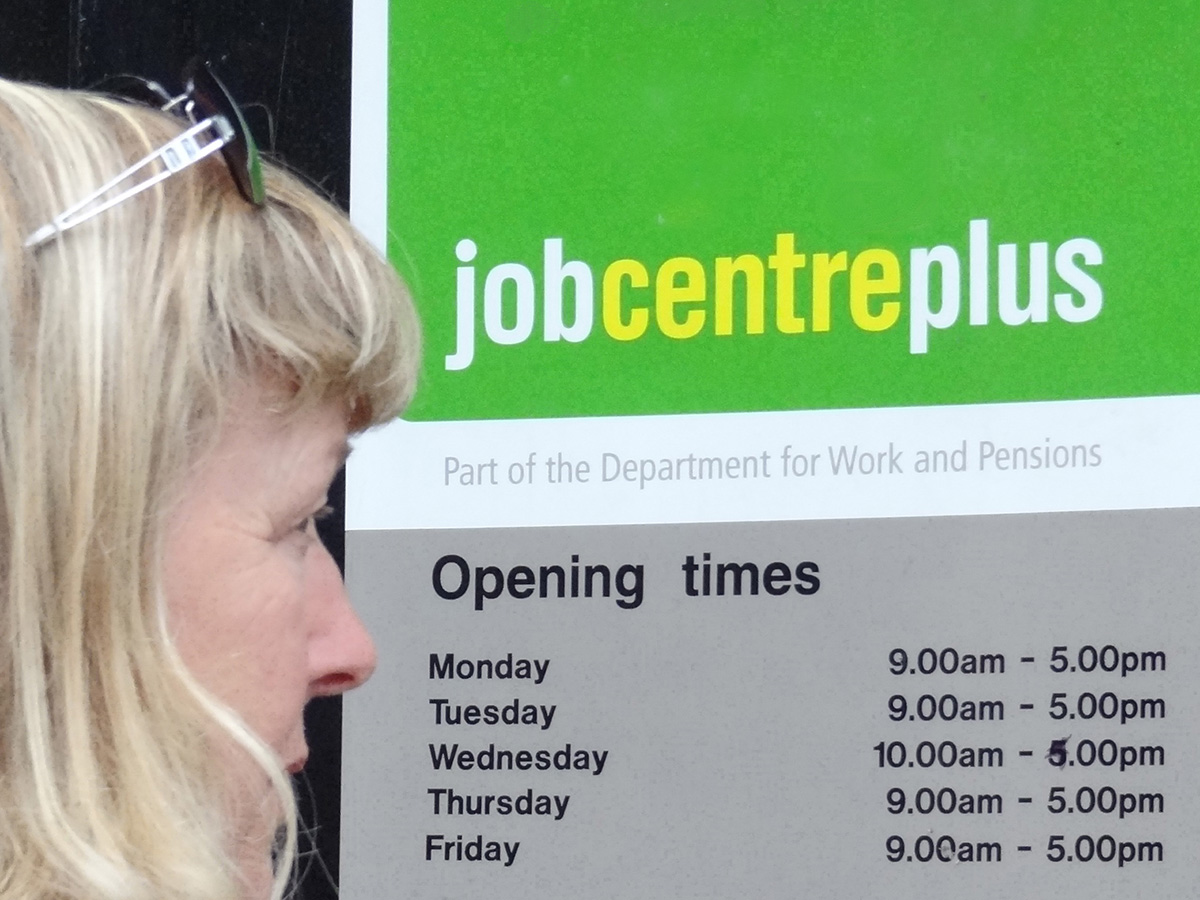 Will the scheme see a substantial rise in unemployment, or will it be enough to support a gradual recovery in the economy as more businesses are able to reopen or take on more staff?
On first sight, it might seem that the scheme will give only slightly less job protection than the job furlough scheme with employees receiving only a little less than before. But, unlike the previous scheme, employers will have to pay not only for work done, but also an additional one-third for work not done. This is likely to encourage employers to lay off part of their staff and employ the remainder for more than one-third of their usual hours. Other firms may simply not engage with the scheme.
What is more, the furlough scheme paid wages for those previously employed by firms that were now closed. Under the new scheme, employees of firms that are forced to stay closed, such as many in the entertainments industry, will receive nothing. They will lose their jobs (at least until such firms are able to reopen) and will thus probably have to look for a new job. The scheme does not support them.
The government acknowledges that some people will lose their jobs but argues that it should not support jobs that are no longer viable. The question here is whether some jobs will eventually become viable again when the Covid restrictions are lifted.
With Covid cases on the rise again and more restrictions being imposed, especially at a local level, it seems inevitable that unemployment will continue to rise for some time with the ending of the furlough scheme and as the demand for labour remains subdued. The ending of the new scheme in April could compound the problem. Even when unemployment does begin to fall, it may take many months to return to pre-pandemic levels.
Update: expansion of the scheme
On 9 October, with Covid-19 cases rising rapidly in some parts of the country and tighter restrictions being imposed, the government announced that it was extending the scheme. From 1 November, employees of firms in certain parts of the country that would be required to close by the government, such as bars and restaurants, would be paid two-thirds of their previous wages by the government.
Critics of this extension to the scheme argue many firms will still be forced to shut because of lack of demand, even though they are not legally being required close. Employees of such firms will receive nothing from the scheme and will be forced onto Universal Credit. Also, the scheme will mean that many of the workers who do receive the money from the government will still face considerable hardship. Many will previously have been on minimum wages and thus will struggle to manage on only two-thirds of their previous wages.
Articles
- Job Support Scheme: What will I be paid after furlough?
BBC News, Eleanor Lawrie (1/10/20)
- Chancellor unveils new Job Support Scheme and extends self-employed grant
MSE News, Callum Mason (24/9/20)
- Sunak has bought himself time, but his big test will come as crisis eases
IFS Newspaper article, Paul Johnson (28/9/20)
 The businesses that feel left behind by Sunak’s jobs support scheme
Channel 4 News, Paul McNamara (25/9/20
- Covid: Jobs scheme ‘won’t stop major rise in unemployment’
BBC News (25/9/20)
- How the new Job Support Scheme will work
FT Adviser, Richard Churchill (30/9/20)
- Covid scheme: UK government to cover 22% of worker pay for six months
The Guardian, Phillip Inman (24/9/20)
- Hard winter ahead as Sunak tries to stop job losses hitting postwar record
The Guardian, Larry Elliott (24/9/20)
- Job Support Scheme ‘won’t reduce job losses’
Personnel Today, Ashleigh Webber (25/9/20)
- Sunak’s new job support scheme offers warm words but no escape from the coming unemployment chill
The Conversation, David Spencer (24/9/20)
Articles: update
Government information
Questions
- If people on furlough were counted as unemployed, find out what would have happened to the unemployment rate between March and August 2020.
- If an employer were previously employing two people doing the same type of job and now has enough work for only one person, under the Job Support Scheme would it be in the employers’ financial interest to employ one worker full time and make the other redundant or employ both of the workers half time? Explain your arguments.
- What are the arguments for and against the government supporting jobs for more than a few months?
- What determines the mobility of labour? What policies could the government pursue to increase labour mobility?
- Find out what policies to support employment or wages have been pursued by two other countries since the start of the pandemic. Compare them with the policies of the UK government.
 The recent pandemic has, and will have, serious implications for our economy with some estimating the largest drop in GDP ‘in living memory’. Expenditure from disposable income fell by 60% as social distancing policies were introduced and consumers started reducing their spending.
However, despite the impact being widespread across all sectors of the economy, workers in the gig economy are at a particular financial disadvantage. A report by Fintech firm, Portify, has found that income for self-employed gig workers fell 30% in the first two weeks of April, compared to the pre-crisis average. It is estimated that there will be a loss of £1.5bn through earnings and £6.9bn in economic contributions from gig economy workers.
Chancellor Rishi Sunak announced increased benefits for the self-employed at the daily briefing on March 20th but did not guarantee their wages. This has understandably left those people who are self-employed, e.g. freelancers, with greater uncertainty. According to the Office for National Statistics, there are 5 million self-employed people in the UK, who make up 15% of the labour market.
The government has been cautious over the financial support for the self-employed, because it is more difficult to confirm how much they are earning each month. However, many of the 5 million workers would have been among the first to be impacted by the closures and restrictions caused by the outbreak.
What is the ‘gig economy’?
The gig economy has grown significantly since the last global recession of 2008/9. After a substantial number of people lost their jobs, they turned towards self-employment. A boom in digital platforms, such as Uber and Deliveroo, has sparked a revolution in the world of work, with as many as one in 10 working-age adults now working in the gig economy, up from one in 20 in 2016. According to the Association of Independent Professionals and the Self-Employed (IPSE), prior to the coronavirus outbreak, self-employed people contributed £305bn to the British economy.
A gig economy is where workers are paid for the ‘gigs’ they do, e.g. a parcel delivery or taxi ride. They receive the money for the completed job instead of a regular wage. In the UK it is estimated that 5 million people are employed in this type of capacity. Flexible hours and controlling the amount you work is appealing for many people wanting to manage their home life and other priorities.
In the gig economy, workers are classed as independent contractors. This is also beneficial for employers as they only need to pay their workers when there is work available. Therefore, when demand drops, they don’t have to get rid of staff or have to incur unnecessary staff costs. However, this also has its drawbacks for the worker. They have no protection against unfair dismissal, no right to redundancy payments, and no right to receive the national minimum wage, paid holiday or sickness pay.
Impact of the coronavirus on the gig economy
Anybody experiencing symptoms of the virus have been told to self-isolate. Employees who are then self-isolating can access statutory sick pay from the first day they are off. However, it is unclear if this applies to gig-economy workers. Unions that represent such workers have raised their concerns over the uncertainty and have demanded that urgent action is needed on working practices, including on sick pay. The United Private Hire Drivers (UPHD) union said:
Without access to worker rights such as minimum wage and sick pay, drivers who are infected may simply not be able to afford to stop working.
Work and Pensions Minister, Justin Tomlinson, has said that gig economy workers can apply for universal credit (which can take five weeks to come through) if they need to self-isolate. However, this is not an option for those who live hand-to-mouth. The government has indicated it wanted to do more for the self-employed but it is operationally difficult. Robert Jenrick, the Communities Secretary, said:
The purpose of our employment mechanism is to help continue the connection between employees and their business so once this is over – and it will be over – those individuals can return to their usual work and that link isn’t broken.
 However, six days after the Chancellor’s initial support package was announced, he announced a new self-employed income support scheme, which will cover up to 80% of self-employed workers’ average taxable monthly profits. This taxable grant is to be paid in a lump sum in June and will no doubt provide a vital lifeline for those workers who have seen their income disappear almost overnight.
Those who are eligible will receive a taxable grant amounting to 80% of the average profits from the last three tax years. HMRC will use the total trading profit for the last three tax years and use this to calculate a monthly amount. However, annual profits are taken after expenses and capital allowances, but before pension contributions and charitable donations. Therefore, workers who have made significant investments into their businesses are likely to lose out.
What next?
The Independent Workers Union of Great Britain (IWGB), which represents gig-economy workers, has announced that it is suing the government over its failure to protect the wages and jobs of millions of workers during the pandemic. It has also accused the government of failing to ensure the health and safety of those still employed through proper sick pay. It has also argued that the lack of certainty encourages those potentially infected to continue working so they can still receive a wage.
 The current scheme is only planned to cover the next three months. However, it is questionable whether this will be enough, and the government may have to extend the support.
There is also concern around how much of the gig economy (besides delivery and distribution workers) will remain once the restrictions are eased. Ryan Barnett, an IPSE economist predicts the economic impact to be far more severe than the 2008 financial crisis, pointing out that many entertainment industry workers have already had jobs cancelled until the end of 2021. Even when we can re-emerge from the current lockdown, it is likely that many workers will continue to rely on Universal Credit for a prolonged period of time.
Conclusion
There is no doubt that the current situation has had an impact on the daily lives of everyone in the economy. However, the level of uncertainty for those working in the gig economy has been concerning for many of the 5 million people.
The full impact of the crisis will not be known until some time after the lockdown. However, it is what measures are put in place in the short run that will have an impact and provide a greater level of certainty for the self-employed. It is important that the government understands the importance of supporting self-employment throughout the crisis, as the self-employed will likely play a key role in the economic activity and recovery that will follow.
Articles
Questions
- Explain why many economies have seen an increase in the gig economy over the last decade.
- What are the advantages and disadvantages of a gig economy?
- How does the gig economy impact on the flexibility of the labour market in the UK?