 Oil prices will remain below $60 per barrel for the foreseeable future. At least this is what is being assumed by most oil producing companies. In the more distant future, prices may rise as investment in fracking, tar sands and new wells dries up. In meantime, however, marginal costs are sufficiently low as to make it economically viable to continue extracting oil from most sources at current prices.
The low prices are partly the result of increases in supply from large-scale investment in new sources of oil over the past few years and increased output by OPEC. They are also partly the result of falling demand from China.
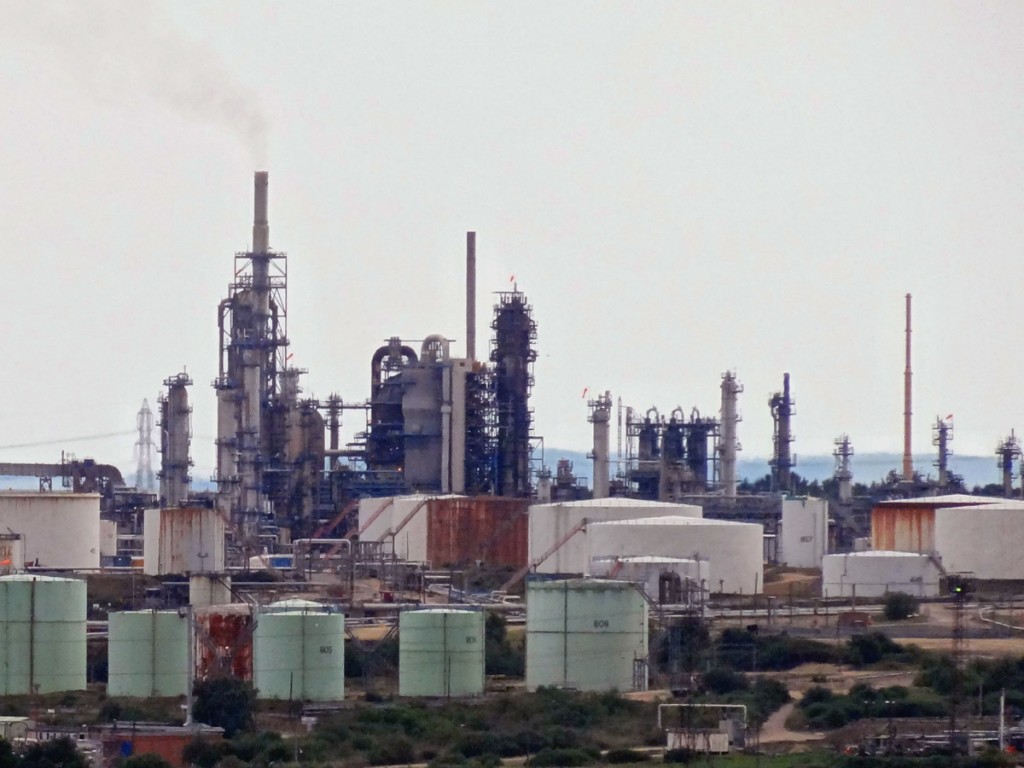
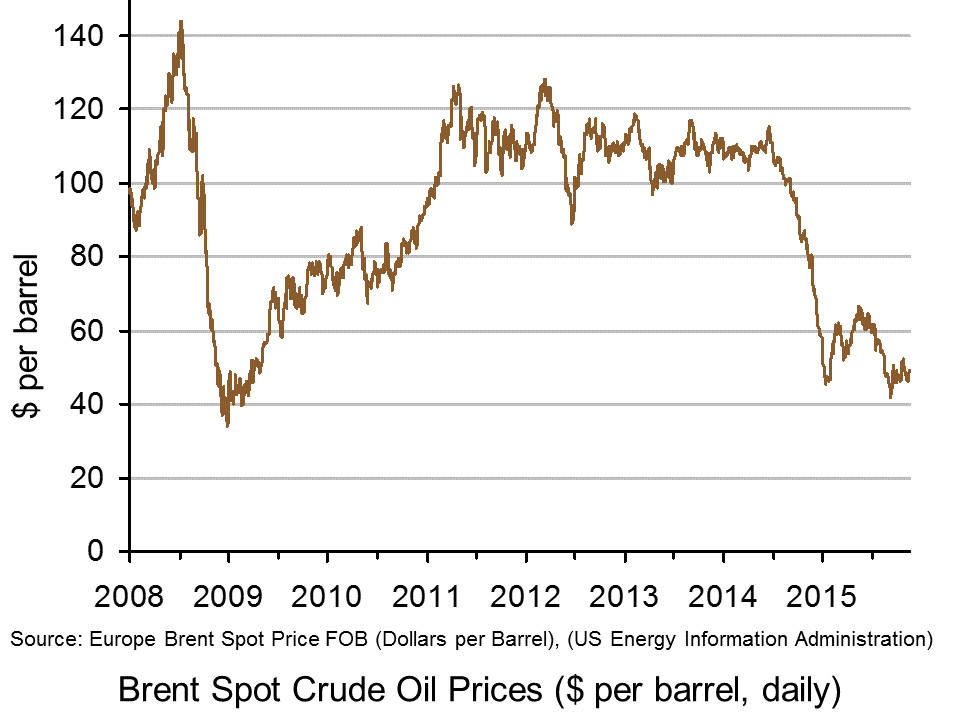 But are low prices all bad news for the oil industry? It depends on the sector of the industry. Extraction and exploration may be having a hard time; but downstream, the refining, petrochemicals, distribution and retail sectors are benefiting from the lower costs of crude oil. For the big integrated oil companies, such as BP, the overall effect may not be as detrimental as the profits from oil production suggest.
Articles
BP – low oil price isn’t all bad new BBC News, Kamal Ahmed (27/10/15)
Want to See Who’s Happy About Low Oil Prices? Look at Refiners Bloomberg, Dan Murtaugh (31/10/15)
Low prices are crushing Canada’s oil sands industry. Shell’s the latest casualty. Vox, Brad Plumer (28/10/15)
Data
Brent spot crude oil prices US Energy Information Administration
BP Quarterly results and webcast BP
Questions
- Why have oil prices fallen?
- What is likely to happen to the supply of oil (a) over the next three years; (b) in the longer term?
- Draw a diagram with average and marginal costs and revenue to show why it may be profitable to continue producing oil in the short run at $50 per barrel. Why may it not be profitable to invest in new sources of supply if the price remains at current levels?
- Find out in what downstream sectors BP is involved and what has happened to its profits in these sectors.
- Draw a diagram with average and marginal costs and revenue to show why profits may be increasing from the wholesaling of petrol and diesel to filling stations.
- How is price elasticity of demand relevant to the profitablity of downstream sectors in the context of falling costs?
 Economic growth is vital to an economy: it helps to create jobs and is crucial in stimulating confidence, both for businesses and consumers. Growth comes from various sources, both domestic and external, and so for each individual country it’s not just its growth rate that is important, but the growth rates of other countries, in particular those it trades with.
Recent data suggest that the global economy could be on the downturn and here we consider three countries/continents.
The US economy has been doing relatively well and we saw discussion by the Federal Reserve as to whether the economy was in a position to be able to handle an increase in interest rates. Although rates didn’t rise, there was a general consensus that a rate rise would not significantly harm the economy. However, perhaps those opinions may now be changing with the latest information regarding US growth. In the second quarter of 2015, growth was recorded at 3.9%, but according to the Department of Commerce, it fell to 1.5% for the third quarter. Though it’s still a solid growth rate, especially compared to other economies, it does represent a significant fall from quarter to quarter.
Many analysts suggest that this slowing is just a blip, partly the result of running down stocks, but it’s also a trend that has occurred in the UK. Although the fall in growth in the UK (see series IHYR) has been less than in the USA, it is still a fall. Annual growth was recorded at 2.7% in quarter 1, but fell to 2.4% in quarter 2 and to 2.3% in quarter 3 (with GDP in quarter 3 only 0.5% higher than in quarter 2). A big cause of this slowdown in growth has been a fall in manufacturing output and it is the service sector that prevented an even larger slowdown.
And it’s not just the West that is experiencing declining growth. The IMF has warned of a slowdown in economic growth in Africa. Although the absolute annual rate of growth at 3.75% is high compared to the UK, it does represent the slowest rate of growth in the past six years. One key factor has been the lower oil prices. Although this has helped to stimulate consumer spending in many countries, it has hit oil-producing countries.
With some of the big players experiencing slowdowns, world economic growth may be taking something of a dive. The Christmas period in many countries is when companies will make significant contributions to their annual sales, and this year these sales are going to be vital. The following articles consider the slowdowns in growth around the world.
Articles
US growth slows despite spending free Financial Times, Sam Fleming and Richard Blackden (29/10/15)
US economic growth slows in third quarter as businesses cut back The Guardian, Dominic Rushe (30/10/15)
US economic growth slows sharply BBC News (29/10/15)
US Q3 gross domestic product up 1.5% vs 1.6% growth expected CNBC, Reuters (29/10/15)
US growth cools in third quarter Wall Street Journal, Eric Morath (29/10/15)
UK economic growth slows to 0.5% in third quarter BBC News (27/10/15)
GDP growth in the UK slows more than expected to 0.5% The Guardian, Julia Kollewe (27/1015)
UK growth slows as construction and manufacturing output shrinks The Telegraph, Szu Ping Chan (27/10/15)
UK economy loses steam as GDP growth slows to 0.5% Financial Times, Ferdinando Giugliano (27/10/15)
No UK growth without services BBC News, Robert Peston (27/10/15)
IMF warns of African economic slowdown BBC News (27/10/15)
African growth feels the strain from China’s slowdown Financial Times, Andrew England (27/10/15)
Tax credits: George Osborne ‘comfortable’ with ‘judgement call’ BBC News (22/10/15)
IMF revises down Sub-Saharan Africa 2015 growth Wall Street Journal, Matina Stevis (27/10/15)
WEO publications
World Economic Outlook, October 2015: Adjusting to Lower Commodity Prices IMF (6/10/15)
 Global Growth Slows Further, IMF’s latest World Economic Outlook IMF Podcast, Maurice Obstfeld (6/10/15)
Transcript of the World Economic Outlook Press Conference IMF (6/10/15)
World Economic Outlook Database IMF (October 2015 edition)
Questions
- How do we measure economic growth?
- Using an AD/AS diagram, explain why economic growth has fallen in (a) the US, (b) the UK and (c) Africa.
- How have oil prices contributed towards recent growth data?
- Why has the IMF forecast slowing growth for Africa and how dependent is the African economy on growth in China?
- Which sectors are contributing towards slower growth in each of the 3 countries/continents considered? Can you explain the reason for the downturn in each sector?
- What do you think should be done regarding interest rates in the coming months?
 In the year to June 2014, Qantas, the Australian airline, posted record losses of $2.8 billion. The airline was seen to be in some serious trouble and engaged in various cost-cutting measures. This, together with help from falling oil prices appears to have reversed this company’s fortunes. It posted profits of $557 million in the year to the end of June 2015.
The airline industry was hit by the financial crisis and subsequent worldwide recession. Holidays are a luxury item, such that when incomes are rising, there is a greater demand for travel abroad. Conversely, when incomes fall (as we see in a recession) demand will fall and this can hurt the revenues and profits of airlines such as Qantas.  Qantas, in particular, had been struggling with a high degree of competition from other airlines, who are also competing on key long-haul routes, for example Emirates, Etihad and Singapore. Further competition came at home from Virgin Australia, who had significant backing from other large airlines and Qantas found itself unable to compete with such low prices and restrictions on foreign ownership.
However, with significant layoffs, cancelling some unprofitable routes and various other cost-cutting measures, Qantas will return $505 million of profits to its shareholders and will purchase 8 Boeing 787-9 Dreamliners. This will certainly boost confidence in the company and its Chief Executive, Alan Joyce’s comments may well add to this. He said:
“We are halfway through the biggest and fastest transformation in our history … Without that transformation, we would not be reporting this strong profit, recommencing shareholder returns, or announcing our ultra-efficient Dreamliner fleet for Qantas International.”
Although the investment in so many new planes is a large outlay, it is expected that they will improve the efficiency of its fleet, reducing its fuel bill significantly, especially over its longest routes. As these profit figures only represent a job that is half done, it will be interesting to see how Qantas fares with the recovery of the global economy.
Qantas to buy eight Boeing dreamliners after posting profit of $557m The Guardian (20/8/15)
Qantas returns to full-year profit and pledges new growth phase BBC News (20/8/15)
Qantas soars past overhaul to return to profit Wall Street Journal, Rebecca Thurlow (20/8/15)
Qantas injects another $55 million into Jetstar Japan Sydney Morning Herald, Jamie Freed (24/8/15)
Is Qantas set to keep on soaring? Sydney Morning Herald, John Collett (21/8/15)
Qantas to expand fleet after rapid profit turnaround Reuters (20/8/15)
Qantas turnaround gains altitude with swing to profit Financial Times, Jamie Smyth (20/8/15)
Questions
- Into which market structure would you place the airlines industry?
- Consider the different strategies that were adopted by Qantas and in each case, explain whether it would have had an impact on the firm’s costs or revenues.
- Why was Virgin Australia proving to be such fierce competition for Qantas?
- The Wall Street Journal Article refers to Qantas finding it difficult ‘to attract a White Knight’. What is meant by a White Knight?
- What has been the impact of falling global oil prices on the airline industry? Use a diagram to explain your answer.
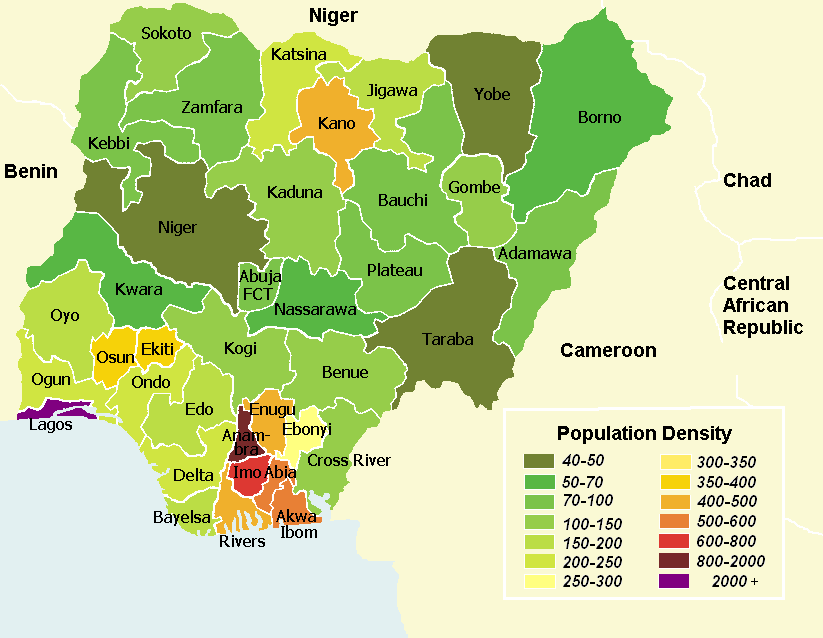
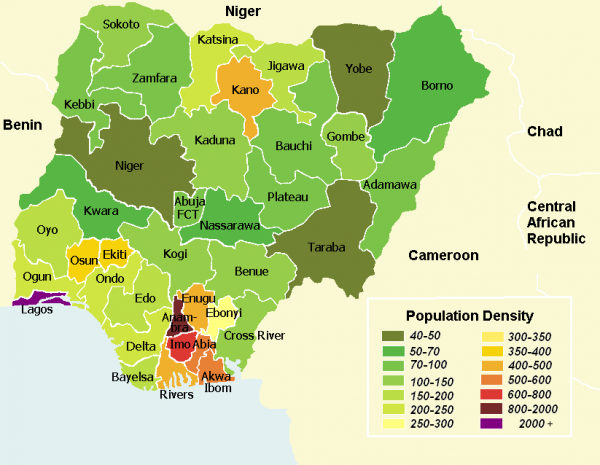 A new group of economies, known as MINT, are seen as strong current and future emerging markets. We’ve had the BRICS (Brazil, Russia, India, China and South Africa) and now we have the MINTs (Mexico, Indonesia, Nigeria and Turkey).
In 2014, Nigeria became Africa’s fastest growing nation. A large part of Nigeria’s success has to do with growth in some of its key industries.
Nigerian’s reliance on the oil and gas industry created an attractive economy for further development and it now has high growth in a diverse range of sectors, including mobile phones, champagne, private jets and ‘Nollywood’. Despite the uncertainty and political unrest caused by Boko Haram, Nigeria is attracting a significant amount of Foreign Direct Investment (FDI) in a range of sectors, indicating its growing diversity and attractiveness to some of the world’s largest multinational companies.
Boko Haram has certainly had a dampening effect on Nigeria’s growth, as has the lower oil price, but this may create opportunities for further diversification. Furthermore there are concerns about how the wealth of the nation is concentrated, given that poverty is still prevalent across the country. However, Nigeria is certainly emerging as a success story of Africa and surely the question that will be asked is will other African nations follow suit?
The following article from BBC News considers the Nigerian economy.
Nigeria’s ‘champagne’ economy bucks Boko Haram effect BBC News, Vishala Sri-Pathma (27/3/15)
Questions
- Is a falling oil price necessarily bad for the Nigerian economy?
- Explain why Boko Haram is likely to have a dampening effect on economic growth in Nigeria.
- Do you think other African nations will be able to replicate the success of Nigeria? Which factors may prevent this?
- If the number of millionaires is increasing significantly, but poverty is persisting, does this tell us anything about what is happening to inequality in Nigeria?
- Is is possible to reduce inequality in Nigeria while maintaining economic growth? Might it even be posible for greater equality to be a driver of economic growth?
- The Nigerian currency is weakening. What has caused this and why may this be a cause for concern?
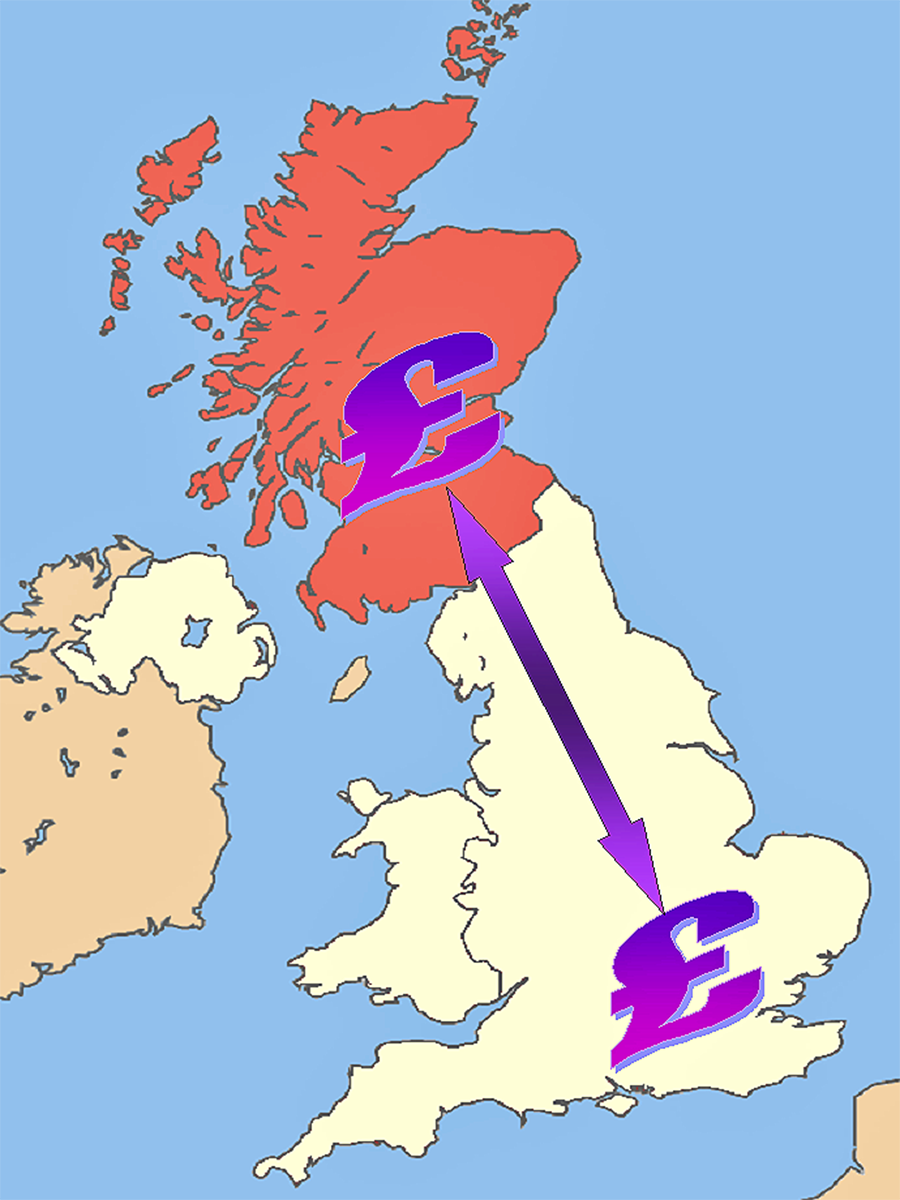 Scottish voters will be crucial in the upcoming election, with the SNP poised to take many of Labour’s seats north of the border. The future of Scotland will depend on which party comes to power and what decisions are made with regards to its finances.
Nicola Sturgeon wants government spending and taxation powers transferred to the Scottish Parliament, but would this mean spending cuts and tax rises for the Scottish people? Ed Miliband, Labour’s leader has been vocal in pointing out what this might mean, with cuts to pensions or raising taxes. However, given that it is Labour that is facing the biggest threat from the SNP, it is perhaps hardly surprising.
However, as the first video below shows, there would be an estimated £7.6bn deficit in Scotland, according to the IFS if spending and taxing was to be transferred here. This is because the tax revenues raised in Scotland are lower per person and spending per person is higher than across the whole of the UK. Oil prices are extremely low at present and hence this is reducing tax revenues. When the oil price does rise, revenues will increase and so if the split in finances was to occur this would reduce that deficit somewhat, but it would still leave a rather large hole in Scotland’s finances. The following videos and articles consider the SNP’s plans.
Videos
SNP fiscal autonomy plan: What would it do to Scotland’s finances? BBC News, Robert Peston (10/4/15)
Labour attacks SNP’s ‘devastating’ economic plans BBC News (10/4/15)
Articles
Ed Miliband attacks SNP plan for Scottish fiscal autonomy The Guardian, Severin Carrell (10/4/15)
Ed Miliband wars pensions will be cut under SNP plans The Telegraph, Auslan Cramb (10/4/15)
SNP fails to account for billions in welfare and pensions pledge, says IFS The Guardian, Severin Carrell (10/4/15)
Questions
- What is a budget deficit?
- What does fiscal autonomy for Scotland actually mean?
- The IFS suggests that there will be a large deficit in Scottish finances if they gain autonomy. How could this gap be reduced?
- Why has Labour claimed that tax rises would occur under the SNP’s plans? What could this mean for Scottish growth?
- Why do lower oil prices reduce tax revenues for Scotland?
- If Scotland had control over its finances, it could influence where government spending goes. Which industries would you invest in if you were in charge?
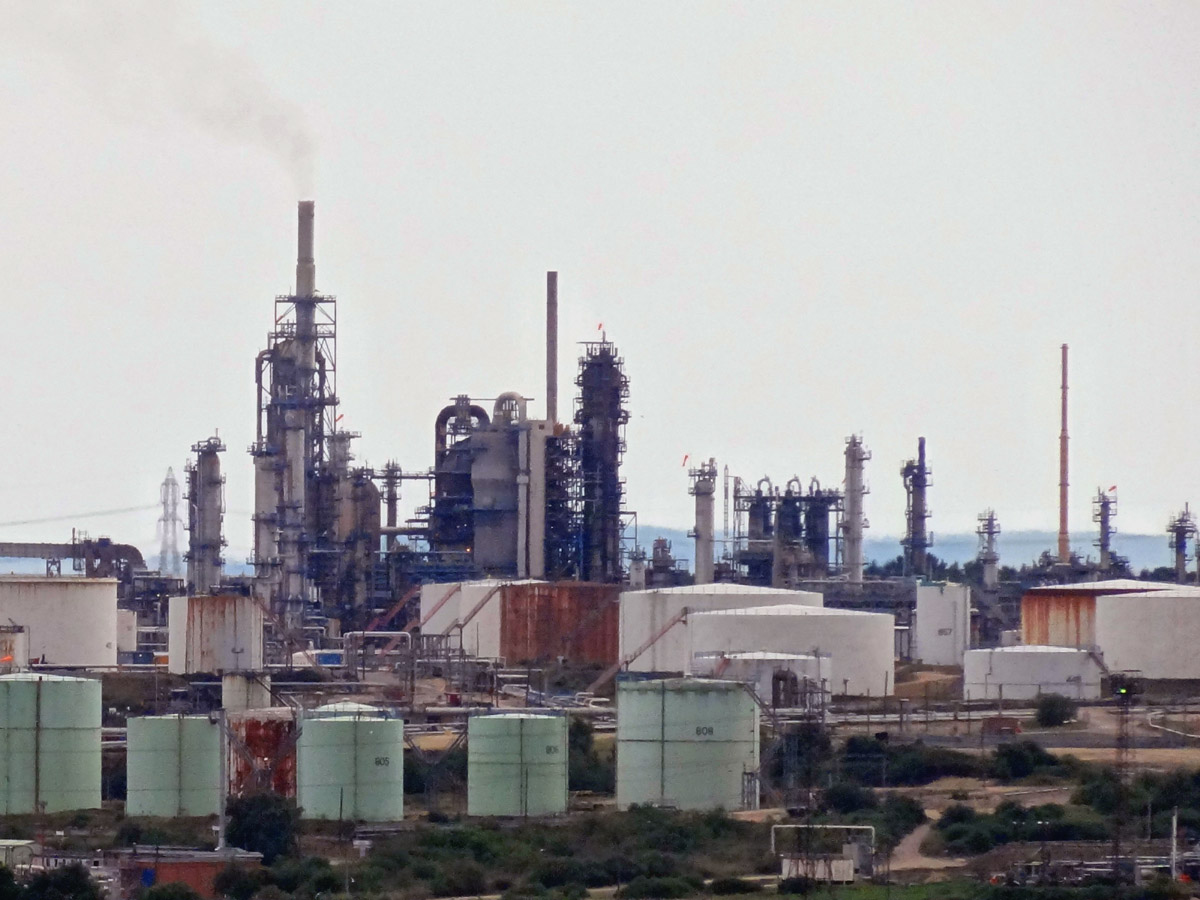 Oil prices will remain below $60 per barrel for the foreseeable future. At least this is what is being assumed by most oil producing companies. In the more distant future, prices may rise as investment in fracking, tar sands and new wells dries up. In meantime, however, marginal costs are sufficiently low as to make it economically viable to continue extracting oil from most sources at current prices.