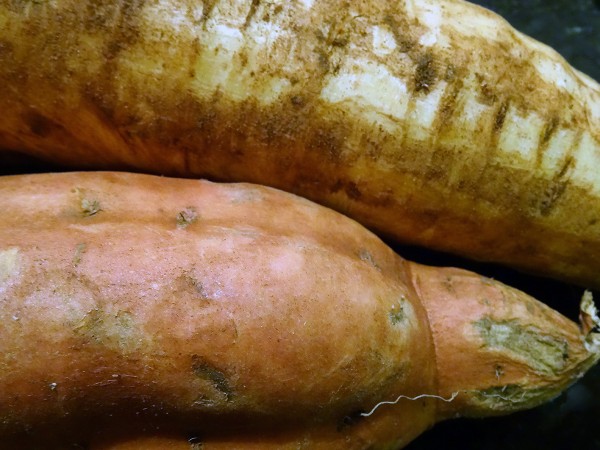
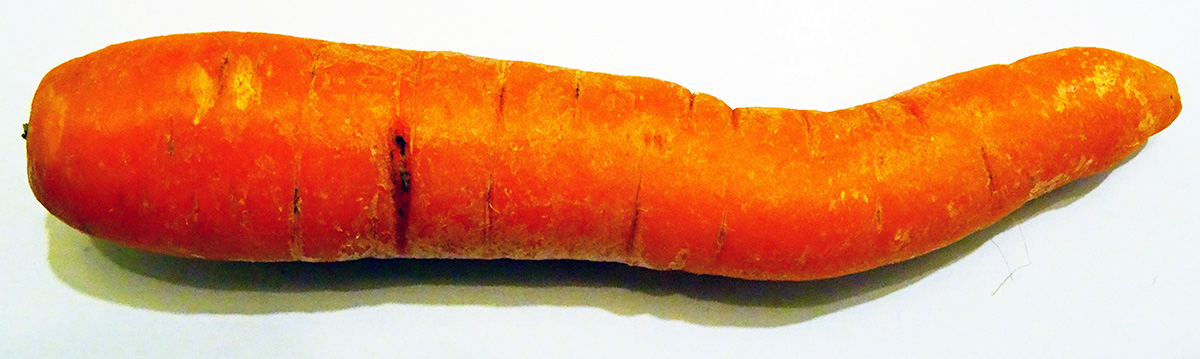
 This rather strange question has been central to a storm that has been brewing between various celebrity chefs, including Jamie Oliver and Hugh Fearnley-Whittingstall, and the supermarkets. Supermarkets say that consumers don’t want irregular shaped vegetables, such as carrots, parsnips and potatoes. ‘Nonsense’, say their critics.
At the centre of the storm are the farmers, who find a large proportion of their vegetables are rejected by the supermarkets. And these are vegetables which are not damaged or bad – simply not of the required shape. Although these rejected vegetables have been described as ‘wonky’, in fact many are not wonky at all, but simply a little too large or too small, or too short or too long. Most of these vegetables are simply wasted – ploughed back into the ground, or at best used for animal feed.
And it’s not just shape; it’s colour too. Many producers of apples find a large proportion being rejected because they are too red or not red enough.
 But do consumers really want standardised fruit vegetables? Are the supermarkets correct? Are they responding to demand? Or are they attempting to manipulate demand?
Supermarkets claim that they are just responding to what consumers want. Their critics say that they are setting ludicrously rigid cosmetic standards which are of little concern to consumers. As Hugh Fearnley-Whittingstall states:
‘It’s only when you see the process of selection on the farm, how it has been honed and intensified, it just looks mad. There are many factory line systems where you have people looking for faults on the production line; in this system you’re looking for the good ones.
What we’re asking supermarkets to do is to relax their cosmetic standards for the vegetables that all get bagged up and sold together. It’s about slipping a few more of the not-so-perfect ones into the bag.’
In return, consumers must be prepared to let the supermarkets know that they are against these cosmetic standards and are perfectly happy to buy slightly more irregular fruit and vegetables. Indeed, this is beginning to happen through social media. 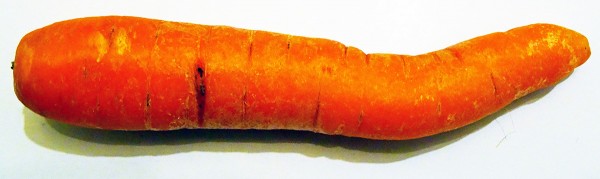 The pressure group 38 degrees has already taken up the cause.
But perhaps consumers ‘voting with their feet’ is what will change supermarkets’ behaviour. With the rise of small independent greengrocers, many from Eastern Europe, there is now intense competition in the fruit and vegetables market in many towns and cities. Perhaps supermarkets will be forced to sell slightly less cosmetically ‘perfect’ produce at a lower price to meet this competition.
Videos
 Hugh’s War on Waste Episode 1 BBC on YouTube, Hugh Fearnley-Whittingstall (2/11/15)
Hugh’s War on Waste Episode 2 BBC on YouTube, Hugh Fearnley-Whittingstall (9/11/15)
Articles
Hugh Fearnley-Whittingstall rejects Morrisons’ ‘pathetic’ wonky veg trial The Guardian, Adam Vaughan (9/11/15)
Jamie Oliver leads drive to buy misshapen fruit and vegetables The Guardian, Rebecca Smithers (1/1/15)
Hugh Fearnley-Whittingstall’s war over wonky parsnips The Telegraph, Patrick Foster (30/10/15)
Asda extends ‘wonky’ fruit and veg range Resource, Edward Perchard (4/11/15)
Wearne’s last farmer shares memories and laments loss of farming community in Langport area Western Gazette, WGD Mumby (8/11/15)
Viewpoint: The rejected vegetables that aren’t even wonky BBC News Magazine (28/10/15)
Viewpoint: The supermarkets’ guilty secret about unsold food BBC News Magazine (6/11/15)
Questions
- What market failures are there is the market for fresh fruit and vegetables?
- Supermarkets are oligopsonists in the wholesale market for fruit and vegetables. What is the implication of this for (a) farmers; (b) consumers?
- Is there anything that (a) consumers and (b) the government can do to stop the waste of fruit and vegetables grown for supermarkets?
- How might supermarkets estimate the demand for fresh fruit and vegetables and its price elasticity?
- What can supermarkets do with unsold food? What incentives are there for supermarkets not to throw it away but to make good use of it?
- Could appropriate marketing persuade people to be less concerned about the appearance of fruit and vegetables? What form might this marketing take?
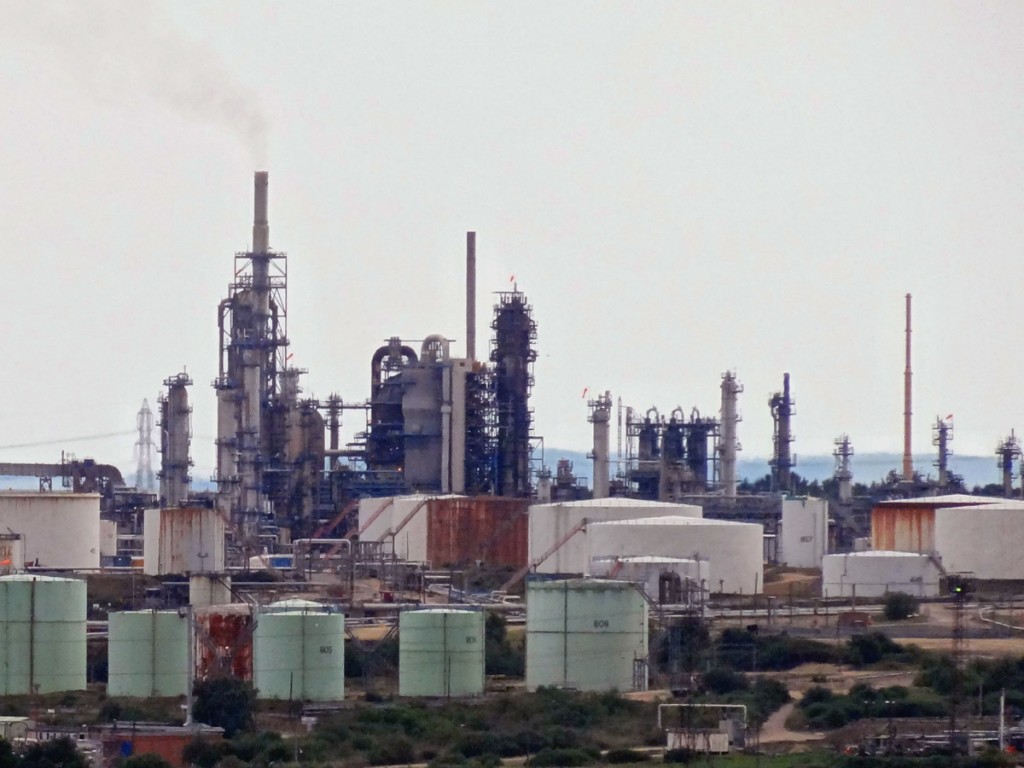 Oil prices will remain below $60 per barrel for the foreseeable future. At least this is what is being assumed by most oil producing companies. In the more distant future, prices may rise as investment in fracking, tar sands and new wells dries up. In meantime, however, marginal costs are sufficiently low as to make it economically viable to continue extracting oil from most sources at current prices.
The low prices are partly the result of increases in supply from large-scale investment in new sources of oil over the past few years and increased output by OPEC. They are also partly the result of falling demand from China.
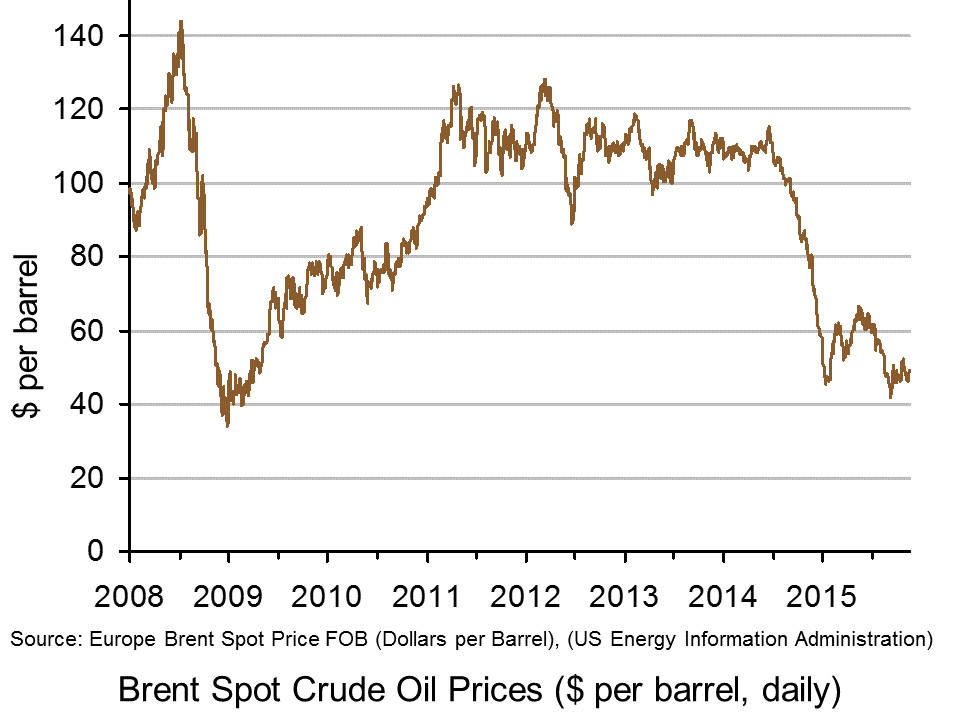 But are low prices all bad news for the oil industry? It depends on the sector of the industry. Extraction and exploration may be having a hard time; but downstream, the refining, petrochemicals, distribution and retail sectors are benefiting from the lower costs of crude oil. For the big integrated oil companies, such as BP, the overall effect may not be as detrimental as the profits from oil production suggest.
Articles
BP – low oil price isn’t all bad new BBC News, Kamal Ahmed (27/10/15)
Want to See Who’s Happy About Low Oil Prices? Look at Refiners Bloomberg, Dan Murtaugh (31/10/15)
Low prices are crushing Canada’s oil sands industry. Shell’s the latest casualty. Vox, Brad Plumer (28/10/15)
Data
Brent spot crude oil prices US Energy Information Administration
BP Quarterly results and webcast BP
Questions
- Why have oil prices fallen?
- What is likely to happen to the supply of oil (a) over the next three years; (b) in the longer term?
- Draw a diagram with average and marginal costs and revenue to show why it may be profitable to continue producing oil in the short run at $50 per barrel. Why may it not be profitable to invest in new sources of supply if the price remains at current levels?
- Find out in what downstream sectors BP is involved and what has happened to its profits in these sectors.
- Draw a diagram with average and marginal costs and revenue to show why profits may be increasing from the wholesaling of petrol and diesel to filling stations.
- How is price elasticity of demand relevant to the profitablity of downstream sectors in the context of falling costs?
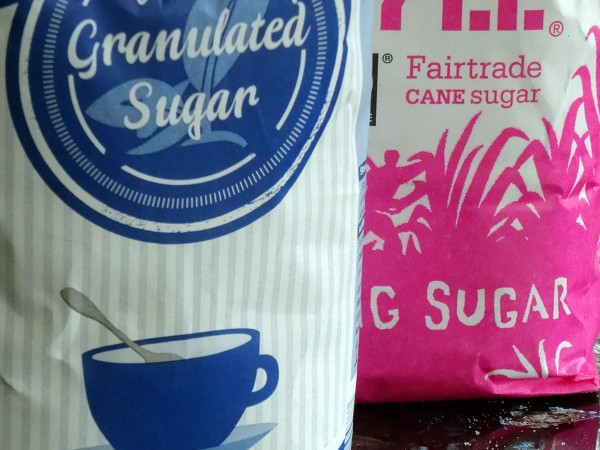 Obesity is on the rise, especially in children. With all the attendant health problems, concern is growing and various policies have been proposed to try to tackle the problem. One such policy is a sugar tax. This could be either a universal tax on sugar in food products or a tax just on soft drinks, many of which are very high in sugar – typically about seven teaspoons in a can or individual bottle.
Currently the issue is being considered by the UK’s Parliamentary Health Select Committee. Jamie Oliver, the TV chef and restaurateur, argued strongly before the committee in favour of a sugar tax on fizzy drinks. He has already imposed a levy on soft drinks with added sugar in his restaurants. He maintained that it was not just the higher price from a sugar tax that would deter consumption of such drinks, but it would send out an important message that too much sugar is bad for you.
 Two days later, Dr Alison Tedstone appeared before the committee. She is chief nutritionist at Public Health England. PHE has been carrying out research into obesity and ways of tackling it. It has reviewed two types of evidence: experimental data on the effects of imposing higher prices on products with added sugar; and the effects of policies pursued in other countries. She stated to the committee that ‘universally all the evidence shows that the tax does decrease consumption’ and that ‘the higher the tax increase, the greater the effect’.
The government was not planning to publish the report at this stage, but under considerable pressure agreed to its publication.
The articles look at the prospects for a sugar tax, its likely effects if one were introduced and at the politics of the situation, which are likely to result in such a tax being rejected.
Videos and audio podcasts
Can you be trusted to eat less sugar? BBC News, Hugh Pym (22/10/15)
‘Introduce sugar tax’, health officials tell government Channel 4 News, Victoria Macdonald (22/10/15)
Jamie Oliver: ‘Bold’ sugar tax to beat childhood obesity BBC News, Hugh Pym (19/10/15)
Be bold on sugar tax, Jamie Oliver says BBC News, Nick Triggle (19/10/15)
Health scientists’ links with sugar industry queried BBC News, Dominic Hughes (12/2/15)
Mexico’s soda tax is starting to change some habits, say health advocates PRI’s The World on YouTube, Jill Replogle (2/12/14)
Articles
Jeremy Hunt told sugar tax would cut childhood obesity as review Government tried to suppress is published Independent, Charlie Cooper (20/10/15)
Sugar tax could help solve Britain’s obesity crisis, expert tells MPs The Guardian, Ben Quinn (21/10/15)
Jamie Oliver ‘expects kicking’ over sugar tax The Guardian, Jessica Elgot (22/10/15)
Sugar tax, fat fines and gold coins: new ways cities are tackling obesity The Guardian, Sarah Johnson (22/10/15)
Sugar tax and offers ban ‘would work’ BBC News (22/10/15)
Public Health England tells UK government: Sugar taxes do work FoodNavigator.com, Niamh Michail (21/10/15)
Childhood Obesity Partially Down To The Coco Pops Monkey, Sugar Tax Report Claims Huffington Post, Sarah Ann Harris (21/10/15)
Health officials back a sugar tax – and want the Coco Pops monkey banned The Telegraph, Laura Donnelly (20/10/15)
Jeremy Hunt embroiled in row over sugar tax report The Telegraph, Laura Donnelly (11/10/15)
Revealed: ‘Sugar tax report’ which was suppressed by Government The Telegraph, Laura Donnelly (22/10/15)
Public Health England obesity report: the key points The Guardian, James Meikle (22/10/15)
Cameron says no to sugar tax Mail Online, Jason Groves and Daniel Martin (21/10/15)
Sugar tax: Former health minister backs levy to prevent NHS ‘obesity crisis’ Independent, Charlie Cooper (21/10/15)
Journal articles and reports
Sugar Reduction: The evidence for action Public Health England, Dr Alison Tedstone, Victoria Targett, Dr Rachel Allen and staff at PHE (22/10/15)
Effects of a fizzy drink tax on obesity rates estimated NHS CHoices (1/11/13)
Overall and income specific effect on prevalence of overweight and obesity of 20% sugar sweetened drink tax in UK: econometric and comparative risk assessment modelling study British Medical Journal, Adam D M Briggs, Oliver T Mytton, Ariane Kehlbacher, Richard Tiffin, Mike Rayner and Peter Scarborough (2013;347:f6189)
Perspectives: Time for a sugary drinks tax in the UK? Journal of Public Health, Oliver Mytton (29/5/14)
Sugar reduction: Responding to the challenge Public Health England, Dr Alison Tedstone, Ms Sally Anderson and Dr Rachel Allen and staff at PHE (June 2014)
Questions
- What factors are driving the current high consumption of sugar?
- How is the concept of price elasticity of demand relevant to the effectiveness of imposing a sugar tax?
- What would determine the incidence of such a tax between food and drink manufacturers and consumers?
- Would such a tax be progressive, regressive or neutral? Explain.
- What other policies could be pursued to discourage the consumption of sugar? Discuss their likely effectiveness and compare them with a sugar tax.
- What externalities are involved in sugar consumption? How would you set about measuring them? Should a sugar tax be set at a rate that internalises the estimated externalities?
- Examine the objections to imposing a sugar tax.
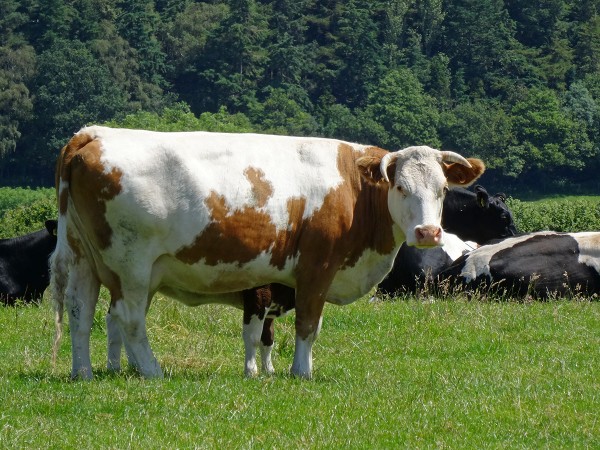 Most of us will have milk in our fridges – it’s a basic product consumed by the majority of people on a daily basis and hence a common feature of most shopping trolleys. As we saw in the post Got milk?, the low price of milk has been causing problems for farmers. This has caused one Morrisons store to take a different approach.
In the increasingly globalised world, British dairy farmers are no longer competing against each other. The global market place means that they are now facing growing competition from abroad and in this global world, supply exceeds demand. Even in the EU, the member states in 2015 are exceeding the milk production levels from 2014. In many markets, we wouldn’t be so concerned about production (or supply) rising, as demand can keep pace. However, in the market for milk, it’s not a product that you consume (that much) more of as your income rises. So, as the world gets richer, demand for milk is not increasing at the same pace as supply – demand in China has collapsed. This means that prices are being forced down. Adding to this global market place, we saw the European Union remove its quotas on milk production, thus boosting supply and Russian bans on imports.
The farmers themselves are in a tricky situation. They are often the small players in the supply chain, with prices being forced down by customers, supermarkets and milk processors. AHDB Dairy, the trade body, says that the average price of milk has decreased to just 23.66p per litre. According to leading industry experts this is well below the costs of production, suggested to be closer to 30p per litre. If these figures are even close to being accurate, then clearly dairy farmers’ costs of production per litre are no longer covered by the price they receive. Every litre of milk produced represents a loss.
The price that supermarkets pay to farmers for milk does vary, with some such as Marks and Spencer and Tesco ensuring that they pay farmers a price above cost. However, Morrisons in Bradford has adopted a new strategy and brand. 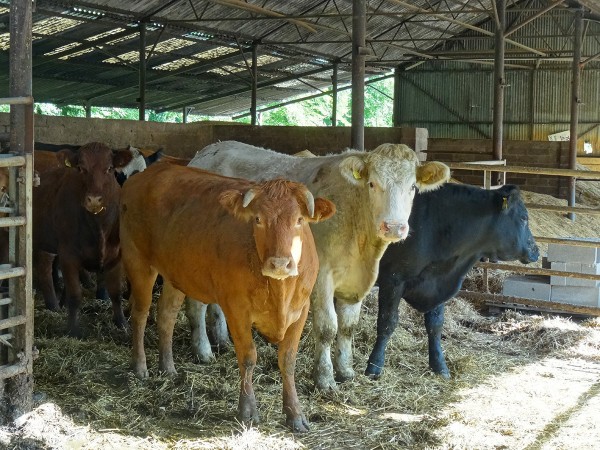 Their new milk brand ‘Morrisons Milk for Farmers’ has been launched at a 23p price rise for every four pint bottle. The catch: they will become the first UK retailer where the 23p price hike goes directly to farmers. This represents 10 pence per litre of milk going directly back to the farmers that produce it. This is a bold strategy, but data and surveys do suggest a willingness to pay more from customers, if it means that dairy farmers get a fairer deal. The protests we have seen across the country have certainly helped to generate interest and created awareness of the difficulties that many farmers are facing. Rob Harrison from the NFU said:
“We are pleased that Morrisons has acknowledged the desperate situation that many dairy farmers still find themselves in and recognise that retailers have a big role to play in, helping customers to support the UK dairy sector…
…Research from Mintel revealed over half of people who drink cows milk, would be prepared to pay more than £1 for a four-pint bottle of milk, as long as it is dairy farmers that benefit. This new initiative will enable them to do just that. The 10p a litre extra will go directly back into the dairy sector will make a difference on farm.”
The interesting thing will be to observe the impact on sales following this 23p price rise. We would normally expect customers to look for the cheaper substitutes, but evidence does suggest that British consumers are willing to pay the price premium if it means helping British farmers. A similar strategy adopted for British Cheddar Cheese proved fruitful and over the coming weeks, we will see if the average consumer is willing to pay directly the dairy farmers. The following articles consider this topic.
Morrisons milk for farmers brand goes nationwide at £1.12 for four pints The Grocer, Carina Perkins (12/10/15)
Morrisons to create new milk brand for farmers BBC News (11/10/15)
Milk price row: farming union leaders meet Morrisons bosses The Guardian, Graham Ruddick (11/10/15)
Morrisons to sell new ‘Milk for farmers’ brand to support British dairy producers Independent, Loulla-Mae Eleftheriou-Smith (11/8/15)
Government to give one-off milk payment for dairy farmers as Morrisons launches premium milk brand City A.M., Catherine Neilan (12/10/15)
New Morrisons milk brand pays farmers more The Yorkshire Post (12/10/15)
Questions
- Using demand and supply analysis, explain which factors have caused the price of milk to fall.
- When incomes rise, the demand for milk does not really change. What does this suggest about the income elasticity of demand for milk and the type of product that it is?
- If prices rise and sales also rise, does this suggest that British milk has an upward sloping demand curve?
- If we do see little effect on the demand for milk following Morrisons 23p price rise, what conclusion can we come to about the price elasticity of demand?
- Why do supermarkets and milk processors have the power to force down prices paid to dairy farmers?
- What type of market structure do you think dairy farmers compete in?
- If dairy farmers are unable to sell a litre of milk for a higher price than it costs to produce, is it a sensible strategy for them to remain in the market?
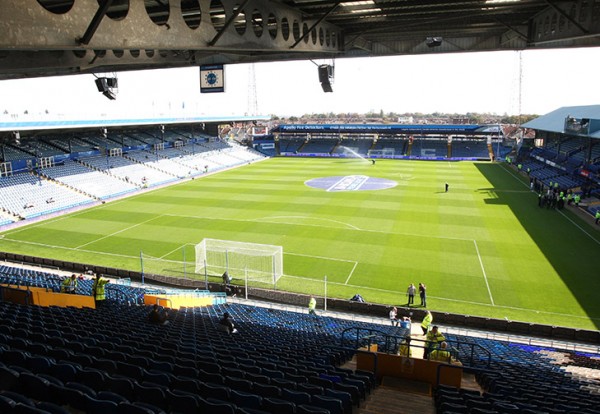 Most observers were once again left stunned by how much media companies are willing to pay to secure the rights to broadcast live games in the English Premier League (EPL). At the same time the method used to sell those rights is being investigated by Ofcom following complaints made by Virgin Media. Virgin Media actually requested that the auction was halted until the investigation was completed.
Between them, BSkyB and BT Sport have paid £5.136bn to purchase the rights to broadcast live matches in the EPL over a three-year period beginning in the 2016–17 season. This is a 71% increase in the price paid for the previous three-year deal which runs from 2013 to 2016 and cost £3.018bn. However, the headline figure hides some big differences between the amounts paid by the two companies.
How exactly are the rights sold? The broadcast rights for the 168 live matches are split up into seven different packages labelled A through to G and are placed in seven different auctions. The type of auction used by the EPL is a sealed bid auction. Interested companies are invited to make an offer for any of the packages. However, when they make a bid they do not know (a) if other firms have also made a bid and (b) the size of any other bids. Another constraint is that one firm is not allowed to win more than five of the auctions. When the auction finishes the EPL only releases information about the winning offers. It never provides information about any of the failed bids.
Some of the packages are worth more than others to the broadcasters. The first five packages (A–E) each contain the rights for 28 games per season, while the other two packages (F and G) contain the rights for 14 matches. In some of the packages all of the games kick off at the same time and on the same day. For example all 28 games in package ‘A’ kick off at 12.30pm on a Saturday. Others contain more of a mixture. Some of the games in Package E take place on a Monday evening. while others take place on a Friday evening. Given the potential advertising revenue and number of viewers, the most valuable package is D, which has 28 games that kick off at 4.00pm on a Sunday.
Another factor that influences the value of a package is the number of ‘first picks’. In any given week, more than one broadcaster might want to screen the same match. To overcome this problem, each package is allocated a number of first, second, third, fourth and fifth ‘picks’. For example, package D comes with 18 first and 10 fourth round picks. This means that whichever company wins this package will get first choice on the games they want to broadcast on 18 occasions a year. Package C contains no ‘first picks’ but offers 15 second, 4 fourth and 7 fifth round picks. There is also a maximum and a minimum limit on the number of times games including a specific team can be broadcast.
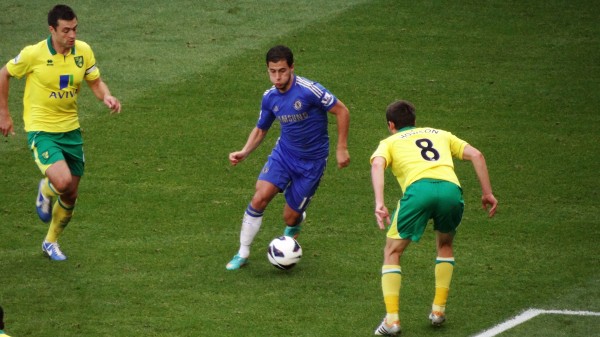
BSkyB won the auctions for packages A, C, D, E and G for a price of £4.17bn. This means that it will be paying £1.396bn to broadcast 126 live games per season. This is an average payment of £11,031,700 per game. In the previous deal it paid £760million for the rights to broadcast 116 live games per season. This is an average payment of £6,551,724 per game. The new deal represents a cost increase of 68% per game. However, the number of first picks BskyB has secured in the new deal increases from 20 to 26.
BTSport won the auctions for packages B and F for a price of £960m. This means that it will be paying £320m for the rights to broadcast 42 live games per season. This is an average payment of £7,619,048 per game. In the previous deal it paid £246 million per year for the rights to broadcast 38 live games per season. This is an average payment of £6,473,684 per game. The new deal represents an increase in costs of 17.7% per game for BT Sport – a much lower figure than for BSkyB.
BSkyB has stated that it will cover the increase in the price it has paid for the rights with efficiency savings. However, many observers believe that it will ultimately result in significant increases in the subscription rates for SkySports. The impact of the deal on BskyB’s profit may well depend on the willingness of its customers to pay higher prices. What is the price elasticity of demand for SkySports at the current subscription rates they are charging?
There is still some uncertainty about the deal following Ofcom’s decision to investigate the legitimacy of the method used by the EPL to auction the rights. Virgin Media made a formal complaint in September 2014 about the collective selling of the live broadcast rights and argued that it was in breach of competition law. The investigation by Ofcom will make a judgment about whether the joint selling of the rights by the EPL is a contravention of Chapter I of the Competition Act 1998 and/or Article 101(1) of the Treaty on the Functioning of the European Union. An initial announcement will be made in March.
Premier League set to announce record £4.4bn TV rights deal BBC Sport (10/2/15)
Premier League TV rights: What does deal mean for fans & clubs BBC Sport, Ben Smith (11/2/15)
How Sky paid £4m more per Premier League match than BT The Telegraph, Ben Rumsby (11/2/15)
Premier League TV deal: Windfall must benefit grass roots and England The Telegraph, Henry Winter (10/2/15)
Sky and BT retain Premier League TV rights for record £5.14bn The Guardian, Owen Gibson (10/2/15)
Premier League TV rights: Sky Sports and BT Sport win UK broadcasting rights as price tops £5billion Independent, Tom Peck (10/2/15)
Questions
- Draw a demand curve for package A and package D of the live broadcast rights. Which one do you think will be furthest to the right? Explain your answer.
- What are the potential benefits to the EPL of not revealing the details of any of the losing bids?
- Explain how the price elasticity of demand is a useful concept for assessing the impact of the new deal on the profits of BSkyB and BTSport.
- Given the impact of the new deal of the size of Parachute payments, what impact might it have on the level of competitive balance in the Championship?
- Find out the key provisions of Chapter I of the Competition Act 1998 and Article 101(1) of the Treaty on the Functioning of the European Union.
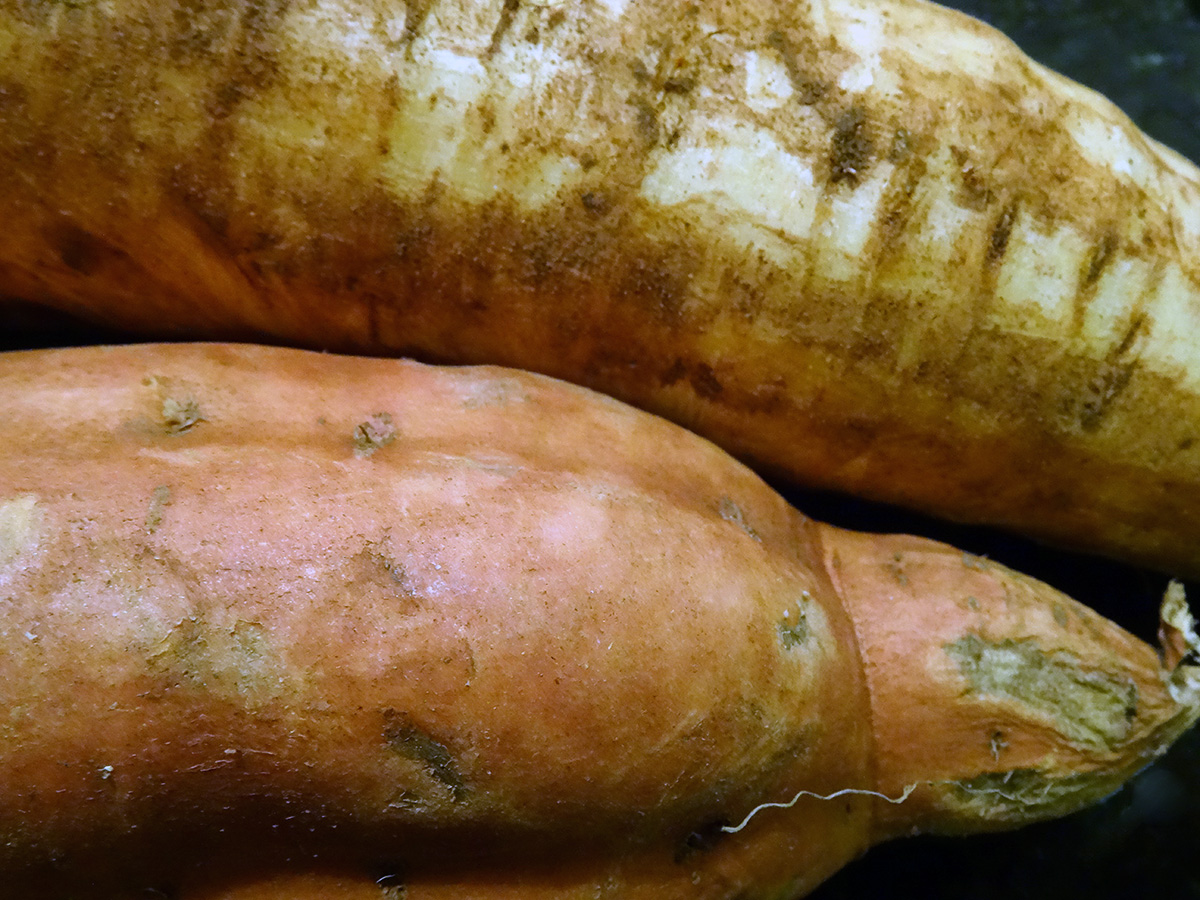 This rather strange question has been central to a storm that has been brewing between various celebrity chefs, including Jamie Oliver and Hugh Fearnley-Whittingstall, and the supermarkets. Supermarkets say that consumers don’t want irregular shaped vegetables, such as carrots, parsnips and potatoes. ‘Nonsense’, say their critics.
 The pressure group 38 degrees has already taken up the cause.