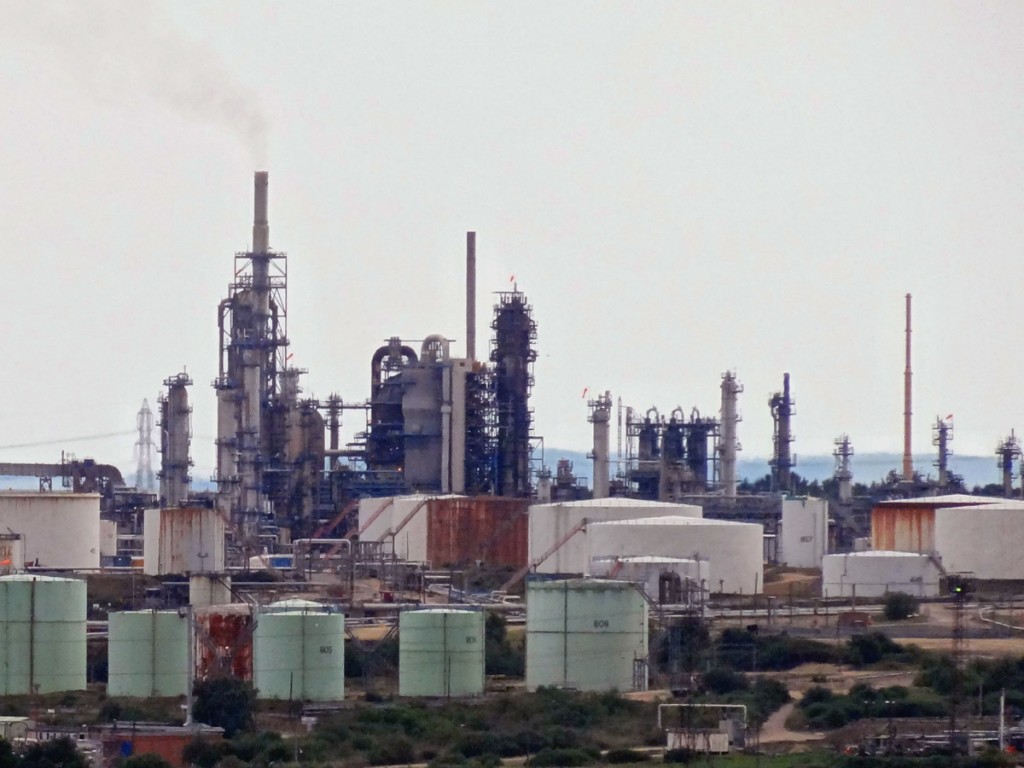
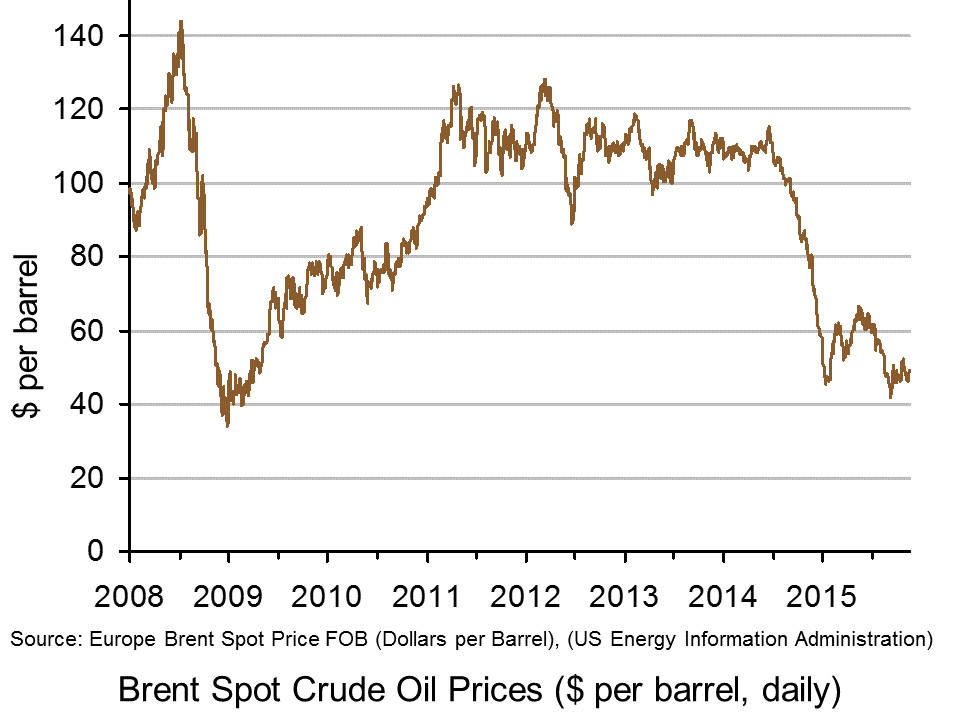
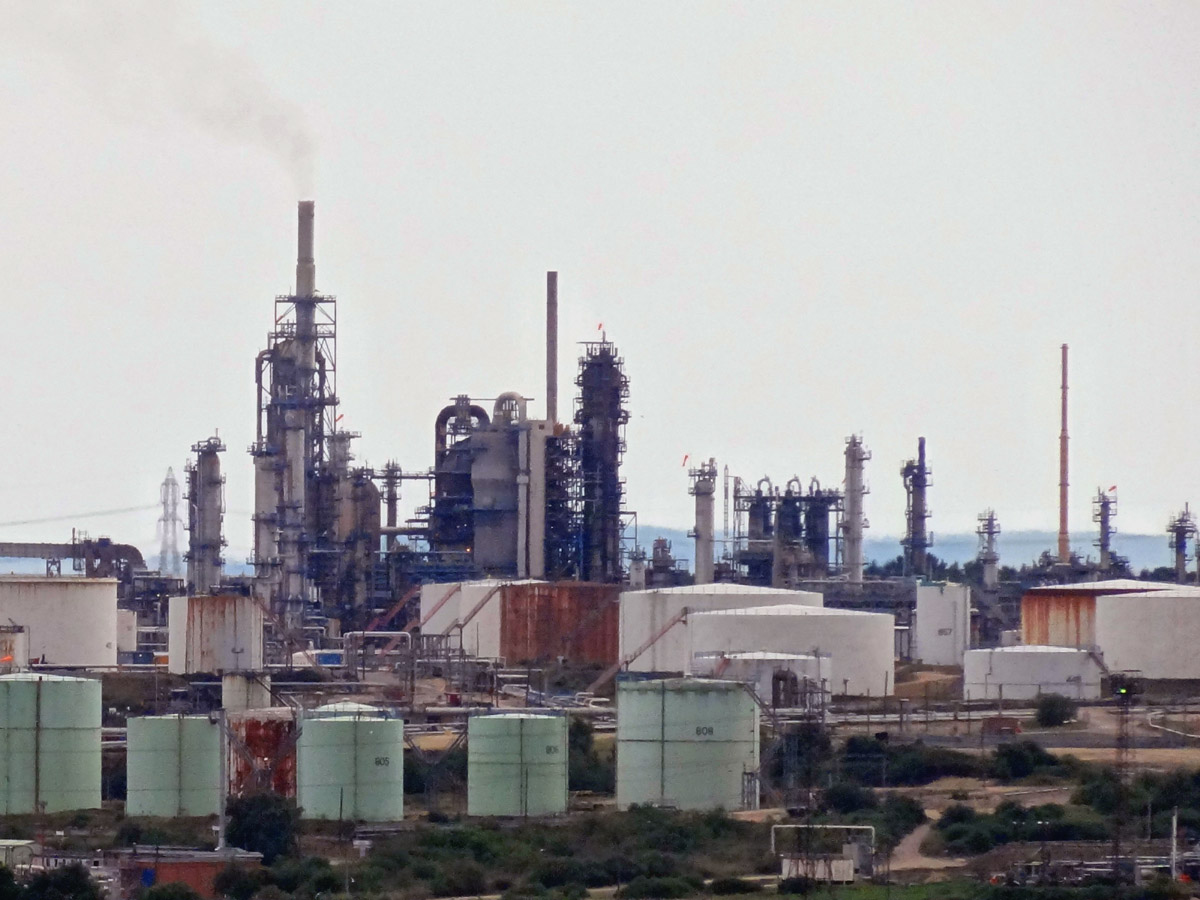
 Oil prices will remain below $60 per barrel for the foreseeable future. At least this is what is being assumed by most oil producing companies. In the more distant future, prices may rise as investment in fracking, tar sands and new wells dries up. In meantime, however, marginal costs are sufficiently low as to make it economically viable to continue extracting oil from most sources at current prices.
The low prices are partly the result of increases in supply from large-scale investment in new sources of oil over the past few years and increased output by OPEC. They are also partly the result of falling demand from China.
 But are low prices all bad news for the oil industry? It depends on the sector of the industry. Extraction and exploration may be having a hard time; but downstream, the refining, petrochemicals, distribution and retail sectors are benefiting from the lower costs of crude oil. For the big integrated oil companies, such as BP, the overall effect may not be as detrimental as the profits from oil production suggest.
Articles
BP – low oil price isn’t all bad new BBC News, Kamal Ahmed (27/10/15)
Want to See Who’s Happy About Low Oil Prices? Look at Refiners Bloomberg, Dan Murtaugh (31/10/15)
Low prices are crushing Canada’s oil sands industry. Shell’s the latest casualty. Vox, Brad Plumer (28/10/15)
Data
Brent spot crude oil prices US Energy Information Administration
BP Quarterly results and webcast BP
Questions
- Why have oil prices fallen?
- What is likely to happen to the supply of oil (a) over the next three years; (b) in the longer term?
- Draw a diagram with average and marginal costs and revenue to show why it may be profitable to continue producing oil in the short run at $50 per barrel. Why may it not be profitable to invest in new sources of supply if the price remains at current levels?
- Find out in what downstream sectors BP is involved and what has happened to its profits in these sectors.
- Draw a diagram with average and marginal costs and revenue to show why profits may be increasing from the wholesaling of petrol and diesel to filling stations.
- How is price elasticity of demand relevant to the profitablity of downstream sectors in the context of falling costs?
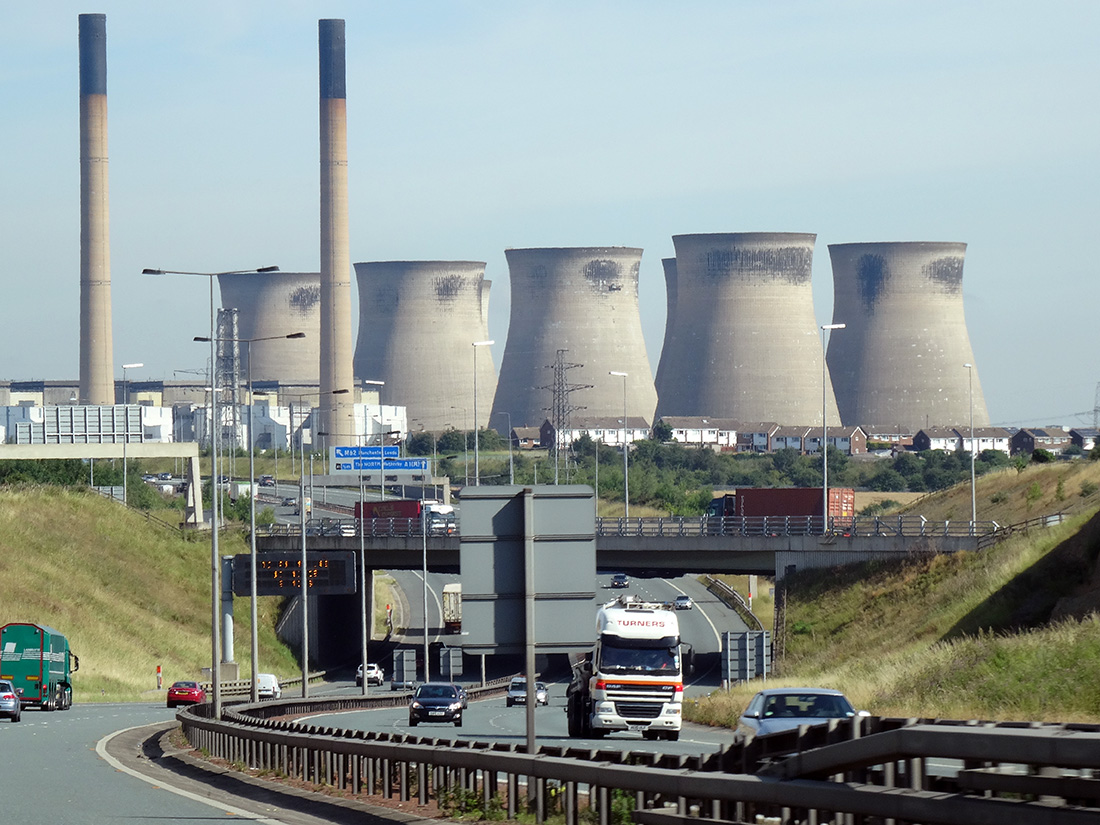
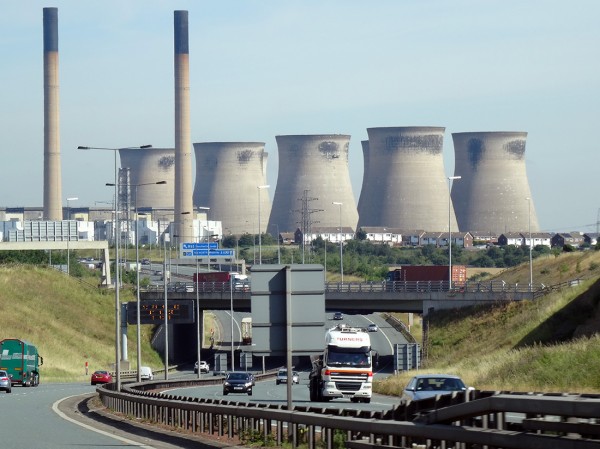 In December, most of the countries of the world will meet in Paris at the 21st annual United Nations Conference of the Parties (COP) on climate change. COP21 ‘will, for the first time in over 20 years of UN negotiations, aim to achieve a legally binding and universal agreement on climate, with the aim of keeping global warming below 2°C.’
When the Copenhagen conference (COP15) ended in disagreement in 2009, few people thought that the increase in renewable energy would be anything like sufficient to prevent global temperatures rising more than 2°C. But things have dramatically changed in the intervening six years.
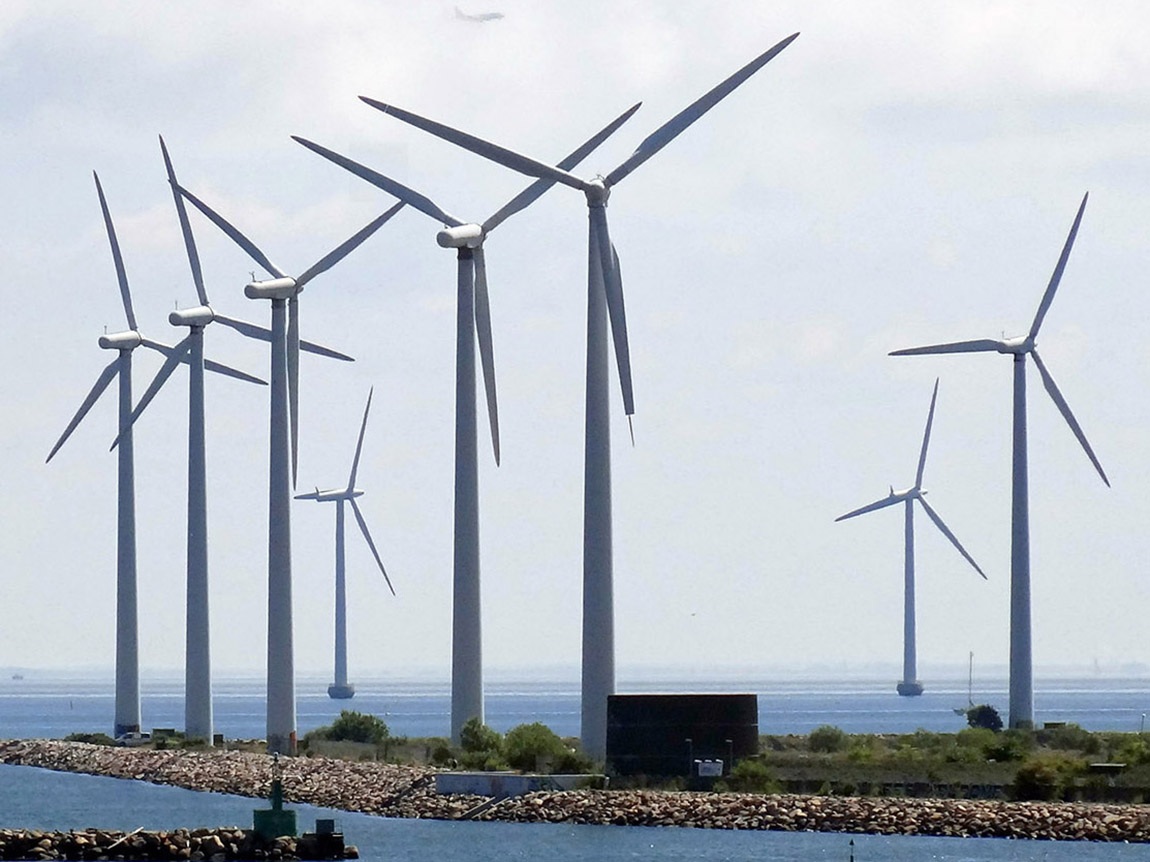
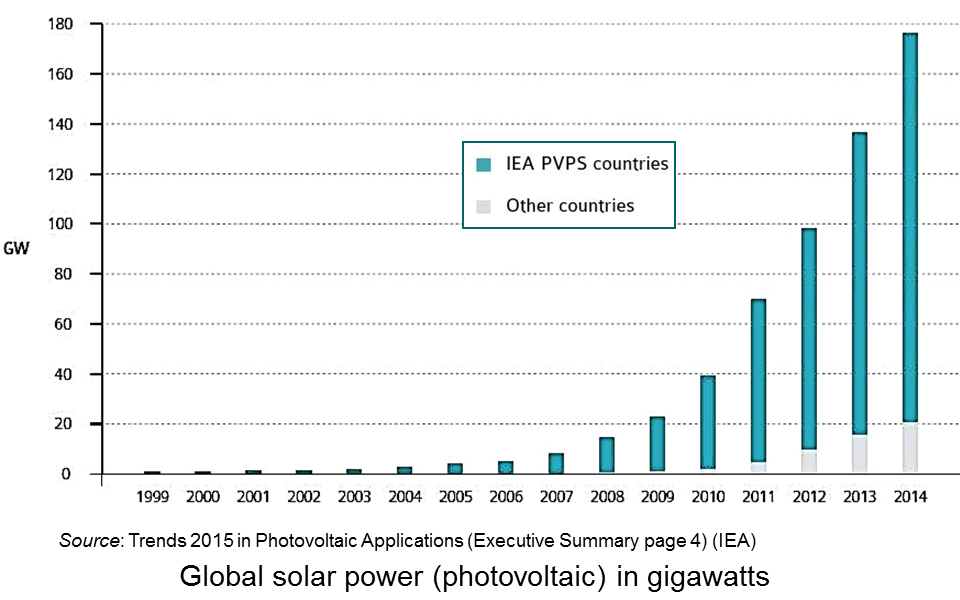 Solar power and other renewables have increased dramatically and the technology for the cleaner burning of fossil fuels, including carbon capture and storage, has developed rapidly.
But perhaps the most important change has been the attitudes of governments. No longer is it a case of Europe and other developed countries moving in the direction of renewables, while developing countries, and, in particular, China and India, argue that their economic development requires a rapid expansion of coal-fired power stations. Now China, India and many other emerging countries are rapidly developing their renewable sectors. This is partly driven by the fall in the costs of renewables and partly by worries that climate change will directly effect them. Now the ‘pro-coal’ countries are in a minority.
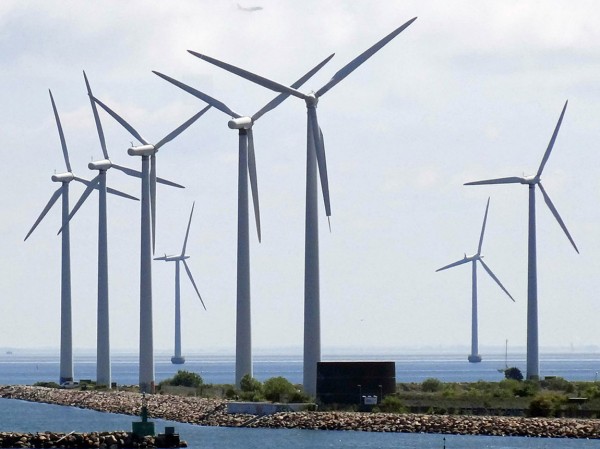 And industry is realising that significant profit is to be made from the development and installation of power plants using renewable energy. This is driving both R&D and investment. As the Telegraph article, linked below, points out, in 2009 ‘the International Energy Agency (IEA) was still predicting that solar power would struggle to reach 20 gigawatts by now. Few could have foretold that it would in fact explode to 180 gigawatts – over three times Britain’s total power output – as costs plummeted, and that almost half of all new electricity installed in the US in 2013 and 2014 would come from solar’.
So is this a good news story? Will real progress be made at COP21 in Paris? The articles explore the issues.
Articles
Paris climate deal to ignite a $90 trillion energy revolution The Telegraph, Ambrose Evans-Pritchard (28/10/15)
OP21 deal critical for low-carbon economy Japan Times, Carlos Ghosn (29/10/15)
Is Solar Without Subsidies Now Viable? Oilprice.com, Michael McDonald (22/10/15)
Policy Paper
The road to Paris and beyond Centre for Climate Change Economics and Policy, Grantham Research Institute on Climate Change and the Environment (LSE), Rodney Boyd, Fergus Green and Nicholas Stern (August 2015)
Report
Energy and Climate Change International Energy Agency (October 2015)
Questions
- What are the drivers for a move from fossil fuels to renewables? Are they similar dirvers in both developed and developing countries?
- What externalities are involved in energy production (a) from fossil fuels; (b) from renewables?
- What policies can be adopted to internalise the externalities?
- What are the merits and problems of a carbon trading scheme? What determines its effectiveness in reducing CO2 emissions?
- Why are more and more investors moving into the renewable energy sector? Could this become a speculative bubble? Explain.
- How might game theory help to explain the process and outcomes of international negotiations over climate change and energy use?
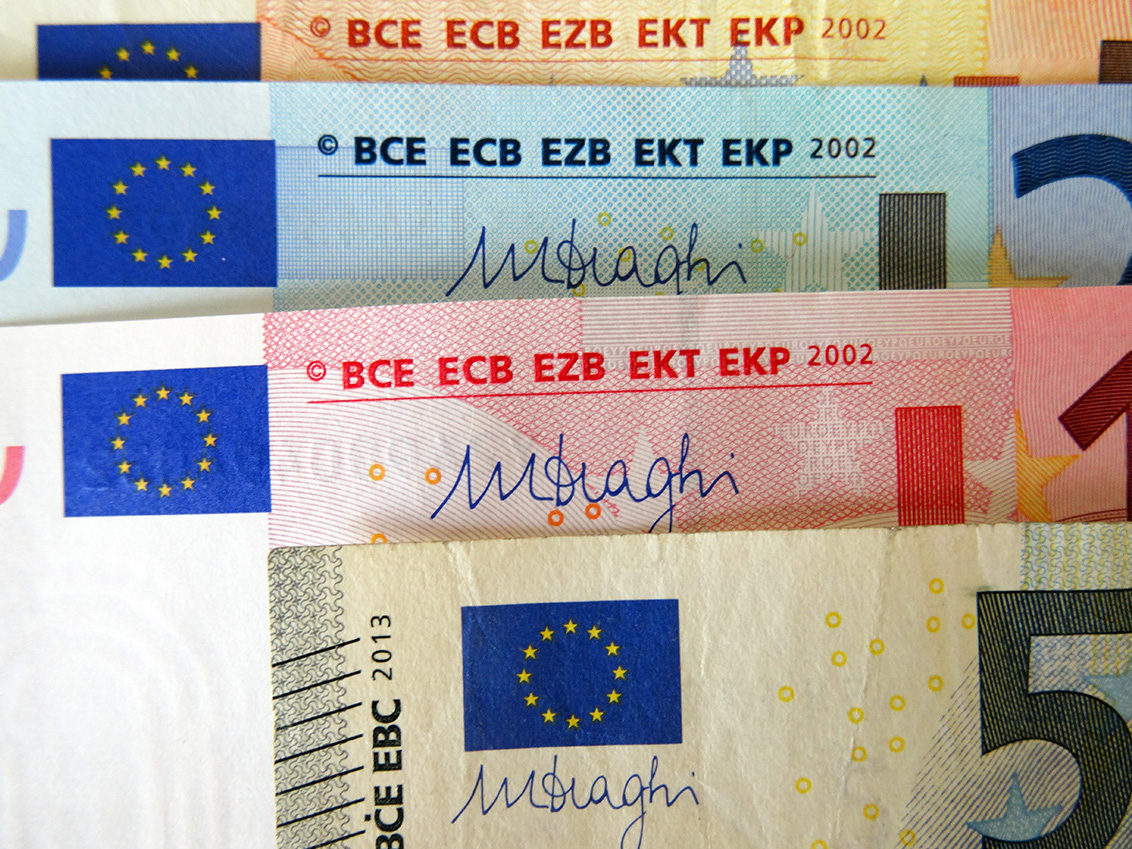
 Mario Draghi, the ECB President, has indicated that the ECB is prepared to engage in further monetary stimulus. This is because of continuing weaknesses in the global economy and in particular in emerging markets.
Although the ECB at its meeting in Malta on 22 October decided to keep both interest rates and asset purchases (€60 billion per month) at current levels, Mario Draghi stated at the press conference that, at its next meeting on December 3rd, the ECB would be prepared to cut interest rates and re-examine the size, composition and duration of its quantitative easing programme. He stopped short, however, of saying that interest rates would definitely be cut or quantitative easing definitely increased. He said the following:
“The Governing Council has been closely monitoring incoming information since our meeting in early September. While euro area domestic demand remains resilient, concerns over growth prospects in emerging markets and possible repercussions for the economy from developments in financial and commodity markets continue to signal downside risks to the outlook for growth and inflation. Most notably, the strength and persistence of the factors that are currently  slowing the return of inflation to levels below, but close to, 2% in the medium term require thorough analysis.
In this context, the degree of monetary policy accommodation will need to be re-examined at our December monetary policy meeting, when the new Eurosystem staff macroeconomic projections will be available. The Governing Council is willing and able to act by using all the instruments available within its mandate if warranted in order to maintain an appropriate degree of monetary accommodation.”
Mario Draghi also argued that monetary policy should be supported by fiscal policy and structural policies (mirroring Japan’s three arrows). Structural policies should include actions to improve the business environment, including the provision of an adequate public infrastructure. This is vital to “increase productive investment, boost job creation and raise productivity”.
As far as fiscal policies are concerned, these “should support the economic recovery, while remaining in compliance with the EU’s fiscal rules”. In other words, fiscal policy should be expansionary, while staying within the limits set by the Stability and Growth Pact.
His words had immediate effects in markets. Eurozone government bond yields dropped to record lows and the euro depreciated 3% against the US dollar over the following 24 hours.
Webcasts
 ECB Press Conference on YouTube, Mario Draghi (22/10/15)
Draghi reloads bazooka FT Markets, Ferdinando Guigliano (22/10/15)
Articles
Mario Draghi: ECB prepared to cut interest rates and expand QE The Guardian, Heather Stewart (22/10/15)
Draghi signals ECB ready to extend QE Financial Times, Claire Jones and Elaine Moore (22/10/15)
Dovish Mario Draghi sends bond yields to new lows Financial Times, Katie Martin (23/10/15)
What Draghi Said on QE, Policy Outlook, Global Risks and Inflation Bloomberg, Deborah Hyde (22/10/15)
ECB set to ‘re-examine’ stimulus policy at next meeting BBC News (22/10/15)
The global economy warrants a big dose of caution The Guardian, Larry Elliott (25/10/15)
ECB Press Conference
Introductory statement to the press conference (with Q&A) ECB, Mario Draghi (President of the ECB), Vítor Constâncio (Vice-President of the ECB) (22/10/15)
Questions
- Why is the ECB considering further expansionary monetary policy?
- What monetary measures can a central bank use to stimulate aggregate demand?
- Explain the effects of Mario Draghi’s announcement on bond and foreign exchange markets.
- What are the objectives of ECB monetary policy according to the its mandate?
- Should the ECB consider using quantitative easing to provide direct funding for infrastructure projects?
- What constraints does the EU’s Stability and Growth Pact impose on eurozone countries?
- What are the arguments for and against (a) the Bank of England and (b) the US Federal Reserve engaging in further QE?
- If the ECB does engage in an expanded QE programme, what will determine its effectiveness?
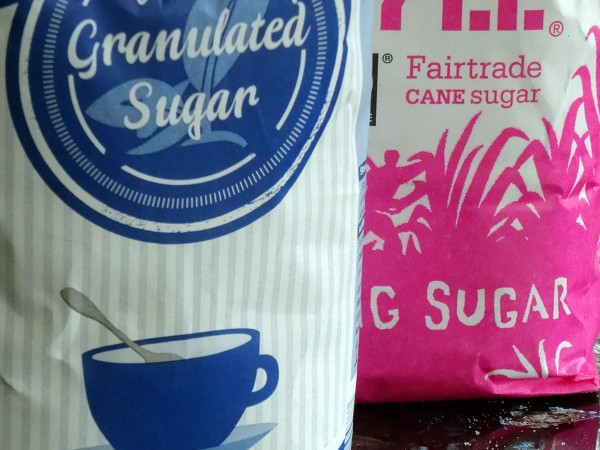 Obesity is on the rise, especially in children. With all the attendant health problems, concern is growing and various policies have been proposed to try to tackle the problem. One such policy is a sugar tax. This could be either a universal tax on sugar in food products or a tax just on soft drinks, many of which are very high in sugar – typically about seven teaspoons in a can or individual bottle.
Currently the issue is being considered by the UK’s Parliamentary Health Select Committee. Jamie Oliver, the TV chef and restaurateur, argued strongly before the committee in favour of a sugar tax on fizzy drinks. He has already imposed a levy on soft drinks with added sugar in his restaurants. He maintained that it was not just the higher price from a sugar tax that would deter consumption of such drinks, but it would send out an important message that too much sugar is bad for you.
 Two days later, Dr Alison Tedstone appeared before the committee. She is chief nutritionist at Public Health England. PHE has been carrying out research into obesity and ways of tackling it. It has reviewed two types of evidence: experimental data on the effects of imposing higher prices on products with added sugar; and the effects of policies pursued in other countries. She stated to the committee that ‘universally all the evidence shows that the tax does decrease consumption’ and that ‘the higher the tax increase, the greater the effect’.
The government was not planning to publish the report at this stage, but under considerable pressure agreed to its publication.
The articles look at the prospects for a sugar tax, its likely effects if one were introduced and at the politics of the situation, which are likely to result in such a tax being rejected.
Videos and audio podcasts
Can you be trusted to eat less sugar? BBC News, Hugh Pym (22/10/15)
‘Introduce sugar tax’, health officials tell government Channel 4 News, Victoria Macdonald (22/10/15)
Jamie Oliver: ‘Bold’ sugar tax to beat childhood obesity BBC News, Hugh Pym (19/10/15)
Be bold on sugar tax, Jamie Oliver says BBC News, Nick Triggle (19/10/15)
Health scientists’ links with sugar industry queried BBC News, Dominic Hughes (12/2/15)
Mexico’s soda tax is starting to change some habits, say health advocates PRI’s The World on YouTube, Jill Replogle (2/12/14)
Articles
Jeremy Hunt told sugar tax would cut childhood obesity as review Government tried to suppress is published Independent, Charlie Cooper (20/10/15)
Sugar tax could help solve Britain’s obesity crisis, expert tells MPs The Guardian, Ben Quinn (21/10/15)
Jamie Oliver ‘expects kicking’ over sugar tax The Guardian, Jessica Elgot (22/10/15)
Sugar tax, fat fines and gold coins: new ways cities are tackling obesity The Guardian, Sarah Johnson (22/10/15)
Sugar tax and offers ban ‘would work’ BBC News (22/10/15)
Public Health England tells UK government: Sugar taxes do work FoodNavigator.com, Niamh Michail (21/10/15)
Childhood Obesity Partially Down To The Coco Pops Monkey, Sugar Tax Report Claims Huffington Post, Sarah Ann Harris (21/10/15)
Health officials back a sugar tax – and want the Coco Pops monkey banned The Telegraph, Laura Donnelly (20/10/15)
Jeremy Hunt embroiled in row over sugar tax report The Telegraph, Laura Donnelly (11/10/15)
Revealed: ‘Sugar tax report’ which was suppressed by Government The Telegraph, Laura Donnelly (22/10/15)
Public Health England obesity report: the key points The Guardian, James Meikle (22/10/15)
Cameron says no to sugar tax Mail Online, Jason Groves and Daniel Martin (21/10/15)
Sugar tax: Former health minister backs levy to prevent NHS ‘obesity crisis’ Independent, Charlie Cooper (21/10/15)
Journal articles and reports
Sugar Reduction: The evidence for action Public Health England, Dr Alison Tedstone, Victoria Targett, Dr Rachel Allen and staff at PHE (22/10/15)
Effects of a fizzy drink tax on obesity rates estimated NHS CHoices (1/11/13)
Overall and income specific effect on prevalence of overweight and obesity of 20% sugar sweetened drink tax in UK: econometric and comparative risk assessment modelling study British Medical Journal, Adam D M Briggs, Oliver T Mytton, Ariane Kehlbacher, Richard Tiffin, Mike Rayner and Peter Scarborough (2013;347:f6189)
Perspectives: Time for a sugary drinks tax in the UK? Journal of Public Health, Oliver Mytton (29/5/14)
Sugar reduction: Responding to the challenge Public Health England, Dr Alison Tedstone, Ms Sally Anderson and Dr Rachel Allen and staff at PHE (June 2014)
Questions
- What factors are driving the current high consumption of sugar?
- How is the concept of price elasticity of demand relevant to the effectiveness of imposing a sugar tax?
- What would determine the incidence of such a tax between food and drink manufacturers and consumers?
- Would such a tax be progressive, regressive or neutral? Explain.
- What other policies could be pursued to discourage the consumption of sugar? Discuss their likely effectiveness and compare them with a sugar tax.
- What externalities are involved in sugar consumption? How would you set about measuring them? Should a sugar tax be set at a rate that internalises the estimated externalities?
- Examine the objections to imposing a sugar tax.
 In 2014, 19% of jobs in London and 23% of jobs outside London paid less than the living wage. This is according to figures just published by the Office for National Statistics. The figures compare with 17% and 22% respectively in 2013. The problem is that while the living wage rises with the cost of living, median wages have not kept pace with prices: in other words, in real terms median wages have fallen.
The living wage has been calculated annually since 2003 for London by the London Mayor’s Office and since 2011 for the rest of the UK by the Centre for Research in Social Policy (CRSP) at Loughborough University for the Living Wage Foundation.
According to the London Mayor’s Office:
The London Living Wage is an hourly rate of pay, calculated according to a combination of the costs of living in London and 60% of the median wage. This gives the wage rate needed to give a worker in London enough to provide their family with the essentials of life, including a cushion against unforeseen events. Unlike the compulsory national minimum wage, the London Living Wage is a voluntary commitment made by employers, who can become accredited with the Living Wage Foundation.
As the Chart 1 illustrates, the living wage is above the National Minimum Wage. 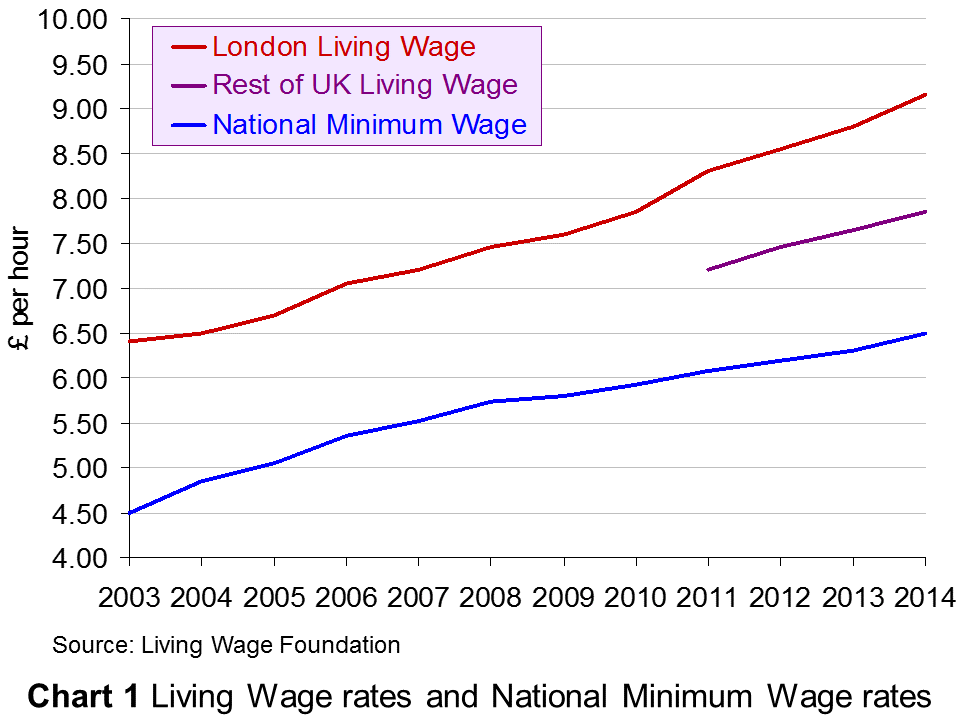 Since November 2014, the living wage in London has been £9.15 in London and £7.85 in the rest of the UK. It is due to be uprated at the beginning of November 2015. From 1 October 2014 to 30 September 2015, the National Minimum Wage (for people aged 21 and over) was £6.50. It rose to £6.70 on 1 October 2015.
Note that the (voluntary) living wage is different from the compulsory ‘National Living Wage’ announced by the Chancellor in his July 2015 Budget, which will come into effect in April 2016 as a top-up to the National Minimum Wage (NLW) for those aged 25 and over. This will be only 50p above the National Minimum Wage and thus considerably below the living wage, 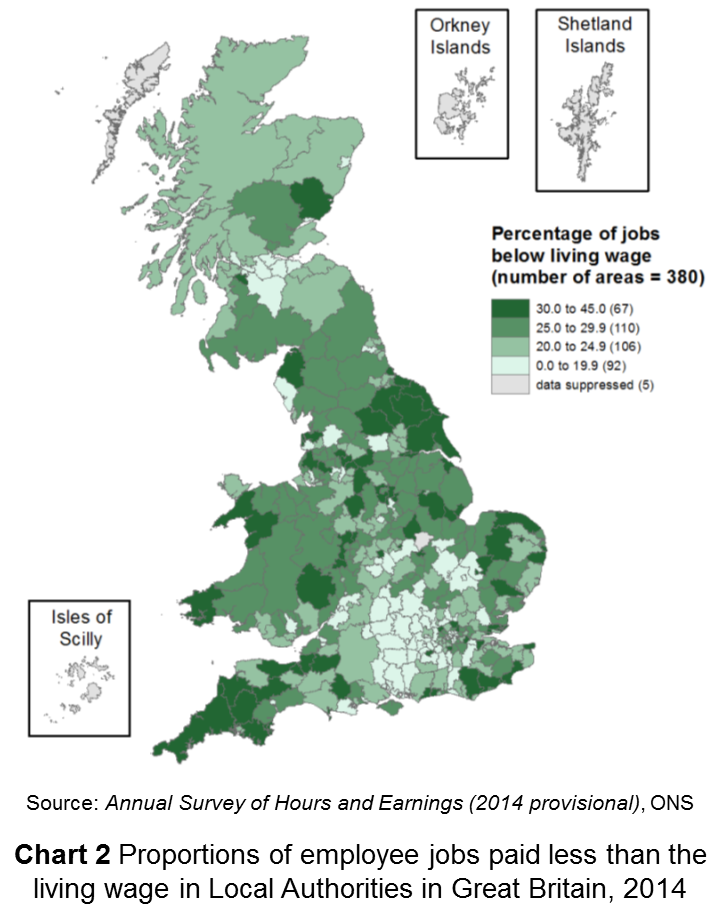 although the Chancellor has pledged to increase the NLW to 60% of median wage rates for those aged 25 and over by 2020. According to the Office for Budget Responsibility, “the NLW will rise from £7.20 in April 2016 (equivalent to around 55 per cent of estimated median hourly earnings for employees aged 25 and over) to around £9.35 in April 2020 (reaching 60 per cent of expected median hourly earnings for that group) in steps that imply the rise relative to median hourly earnings is a straight line.”
The percentage of people being paid below the living wage varies by occupation, location of jobs (see map in Chart 2 – click to enlarge), sex and age and whether the job is full or part time. For example, in accommodation and food services, in retail and in sales and customer services, more than half the jobs paid less than the living wage. A greater percentage of women than men were paid below the living wage (29% and 18% respectively outside London). As far as young people are concerned, 48% of 18–24 year olds were paid less than the living wage in London and 58% outside London 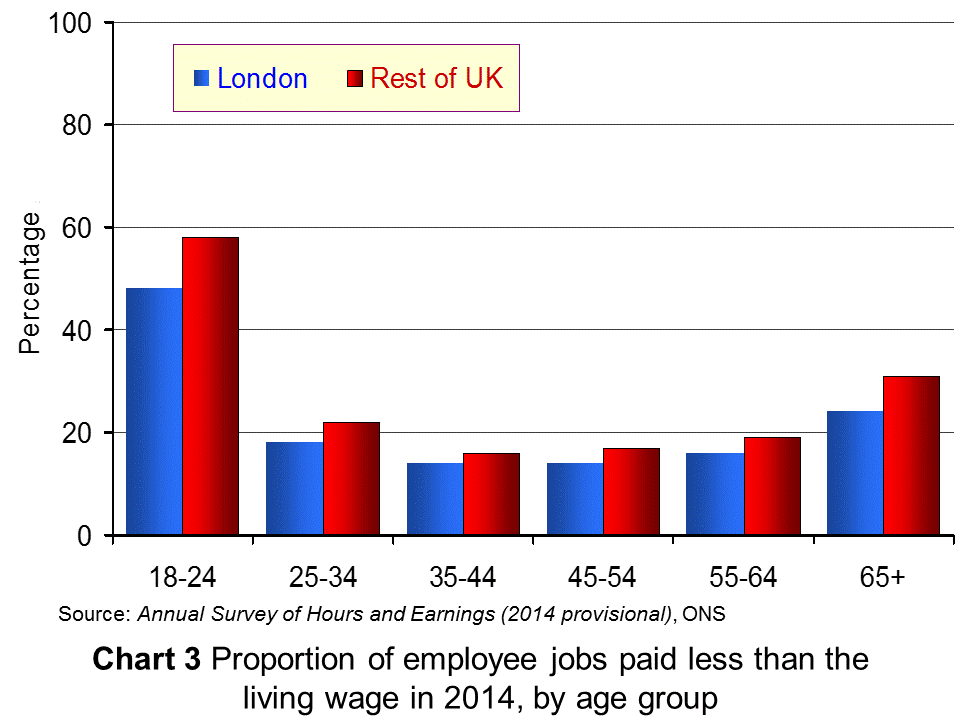 (see Chart 3). In London 45% of part-time jobs paid less than the living wage; in the rest of the UK the figure was 43%.
As The Guardian article linked below reports:
A spokesman for the Living Wage Foundation, which sets the figure each year, said despite ‘significant progress’ in many sectors, more jobs than ever were below the voluntary rates.
“These figures demonstrate that while the economy may be recovering as a whole, there is a real problem with ensuring everyone benefits, and low pay is still prevalent in Britain today,” he said.
The following articles look at the evidence presented by the ONS and examine the incidence of low pay in the UK.
Articles
More jobs paying below living wage BBC News (12/10/15)
A fifth of UK jobs pay less than living wage – ONS Financial Times (12/10/15)
The proportion of workers not being paid the living wage is rising Independent, Jon Stone (12/10/15)
Almost 30 per cent of women are paid below the living wage Independent, Jon Stone (12/10/15)
More UK jobs fail to pay a living wage The Guardian, Hilary Osborne and Damien Gayle (12/10/15)
Six million jobs pay below the living wage Full Fact, Laura O’Brien (19/10/15)
Data and Reports
Estimates of employee jobs paid less than the living wage in London and other parts of the UK ONS (12/10/15)
Annual Survey of Hours and Earnings ONS
Living wage rates: the calculation Living Wage Foundation
National Minimum Wage rates GOV.UK
Questions
- By referring to the Living Wage Foundation site, explain how the living wage is calculated. If you were defining the living wage, would you define it in this way? Explain.
- Distinguish between low pay and poverty. Does pay give a good indication of poverty?
- For what reasons has the number of jobs paying below the living wage increased? Does marginal productivty theory provide an explanation?
- Is it best to base statutory minimum wages on median earnings, mean earnings or the cost of living? Explain.
- If 6 million jobs pay below the living wage, does this mean that 6 million people, more than 6 million people or fewer than 6 million people receive average hourly wages below the living wage? Explain.
- For what reasons might firms volunteer to pay the living wage to their employees? Is doing so consistent with the aim of profit maximisation?
- Why are more women than men paid wage rates below the living wage?
- Why does the proportion of people being paid the living wage vary from one part of the UK to another? Is this likely to be purely a reflection of differences in the cost of living?
 Oil prices will remain below $60 per barrel for the foreseeable future. At least this is what is being assumed by most oil producing companies. In the more distant future, prices may rise as investment in fracking, tar sands and new wells dries up. In meantime, however, marginal costs are sufficiently low as to make it economically viable to continue extracting oil from most sources at current prices.