 In this post we focus on three aspects of poverty around the world. The first is the definition of poverty. Is it an absolute or a relative concept? Does its definition change as the world develops. The second is the extent of poverty. Is the problem getting worse as inequality deepens, or are the numbers (absolutely or proportionately) getting smaller despite increased inequality? The third is policy to tackle the problem. What can be done and is being done? What answers are being given by policymakers in different parts of the world?
As far as the measurement of poverty is concerned, the simplest distinction is between absolute and relative poverty. Absolute poverty could be measured as income below a certain real level deemed necessary to achieve a particular standard of living. This could be specified in terms of sufficient income to have adequate food, shelter, clothing and leisure time, and adequate access to healthcare, clean water, sanitation, education, etc. An obvious problem here is what is considered ‘adequate’, as this is partly culturally determined and will also depend on physical and geographical features, such as climate.
The World Bank defines extreme absolute poverty as living on under $1.90 per day in purchasing-power parity terms. However, even after adjusting for purchasing power, what is considered the poverty threshold differs enormously from country to country. As the Wikipedia entry states:
Each nation has its own threshold for absolute poverty line; in the United States, for example, the absolute poverty line was US$15.15 per day in 2010 (US$22,000 per year for a family of four), while in India it was US$1.0 per day and in China the absolute poverty line was US$0.55 per day, each on PPP basis in 2010.
Relative poverty is normally taken to mean when a person’s income falls below a certain percentage of the mean or median. Thus in richer countries, for a given percentage, the poverty threshold would be at a higher absolute income.  In the EU, people in relative poverty are defined as those with disposable income (after monetary benefits) less than 60% of the median.
Both approaches focus on consumption. Other approaches include social and cultural exclusion as dimensions of poverty.
What is clear is that poverty has a number of definitions. One problem with this is that politicians can focus on whatever definition suits them. Thus in the UK, with relatively high levels of employment, but often at low wages and only part-time employment, the Conservative government has redefined poverty as where no-one in a family is in work. Yet many working families have very low levels of income, considerably below 60% of the median.
The second aspect of poverty is its extent and whether it is growing. According to the United Nations, globally ‘extreme poverty rates have been cut by more than half since 1990. While this is a remarkable achievement, one in five people in developing regions still live on less than $1.25 a day, and there are millions more who make little more than this daily amount, plus many people risk slipping back into poverty.’
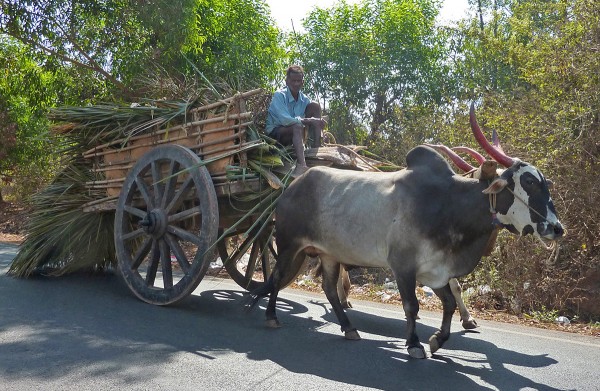 Despite this progress, in many countries extreme poverty is increasing. And in others, although the number in extreme poverty may be declining, it is still high and inequality is increasing so that more people are living only just above the extreme poverty line. The articles look at dimensions of poverty in different countries.
For example, the first The Conversation article argues that the financial crisis of 2008–09 led to a substantial increase in poverty across the European continent.
The impoverishment of Greece, Italy, Cyprus, Spain and Portugal has been so severe that these southern European countries, taken together, had higher levels of poverty and deprivation than many of the former Communist nations that joined the European Union in 2004.
The third aspect is how to tackle the problem of poverty. There are three broad policy approaches.
The first is the use of cash transfers, such as unemployment benefits. The second is providing free or subsidised goods and services, such as healthcare or education. The ability of a country to support the poor in either of these ways depends on its tax base. Also, clearly, it depends on its priorities. There is also the issue of incentives. Do benefits encourage or discourage the recipients from seeking work? This depends on the design of the system. For example, if childcare is subsidised, this may both aid poor parents and also encourage parents responsible for looking after young children to seek work.
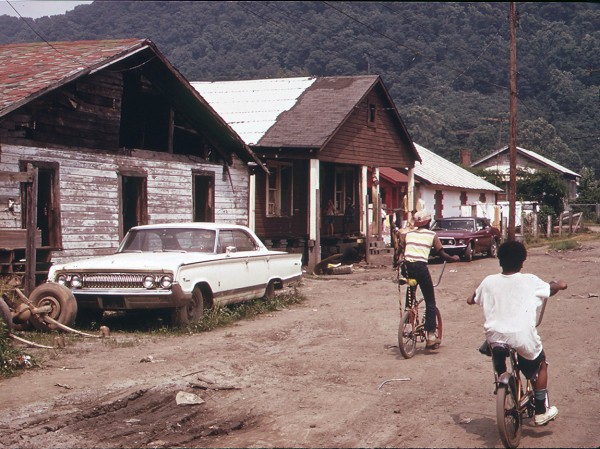 The third is to attempt to improve the earning power of the poor. This may in part be by the second approach of improving education, training and health. But it may also involve removing restrictions to employment, say by making various forms of discrimination illegal. It may also involve increasing land rights. In many developing countries land is very unequally distributed; redistribution to the poor can make a substantial contribution to relieving poverty. Another approach is to encourage agencies which supply microfinance for poor people wishing to set up their own small business.
The articles below look at a number of dimensions of poverty: its measurement, its extent and its alleviation. They look at the problem from the perspective of different countries. It is interesting to see to what extent the problems and solutions they identify are country-specific or general.
Articles
Extreme poverty affects 1 in 8 globally Buenos Aires Herald (20/7/16)
How poverty has radically shifted across Europe in the last decade The Conversation, Rod Hick (20/7/16)
The economics of poverty The Tribune of India, S Subramanian (22/7/16)
Poverty Chains and Global Capitalism. Towards a Global Process of Impoverishment Global Research (Canada), Benjamin Selwyn (20/7/16)
Asia’s cost of prosperity The Nation, Karl Wilson (24/7/16)
Private rental sector is the ‘new home of poverty’ in the UK The Guardian, Brian Robson (20/7/16)
Challenges in maintaining progress against global poverty Vox, Martin Ravallion (23/12/15)
California, sixth largest economy in the world, has highest poverty rate in US wsws.org, Marc Wells (22/7/16)
How gross inequality and crushed hopes have fed the rise of Donald Trump The Conversation, Nick Fischer (21/7/16)
Information
Sustainable Development Goals – Goal 1: End poverty in all its forms everywhere United Nations
Children of the Recession: Innocenti Report Card 12 UNICEF, Gonzalo Fanjul (September 2014)
Listings on Poverty Joseph Rowntree Foundation
Poverty The World Bank
Hunger and World Poverty Poverty.com
Questions
- Distinguish between absolute and relative poverty. Give examples of specific measures of each and the extent to which they capture the complex nature of the problem.
- Discuss the appropriateness of the seven measures of poverty used in the first The Conversation article.
- How did the financial crisis affect the proportion of people living in poverty? Explain.
- What is the relationship between poverty and inequality? Does a more unequal society imply that there will be a greater proportion of people living in poverty?
- How has international poverty changed in recent years? What explanations can you give?
- What are the advantages and disadvantages of using income per head as a measure of poverty, whether absolute or relative?
- Why is poverty so high in (a) the USA as a whole; (b) California specifically?
- How does globalisation affect poverty?
- Are adverse environmental consequences an inevitable result of reducing poverty in developing countries?
- Is freer trade likely to increase or decrease poverty? Explain
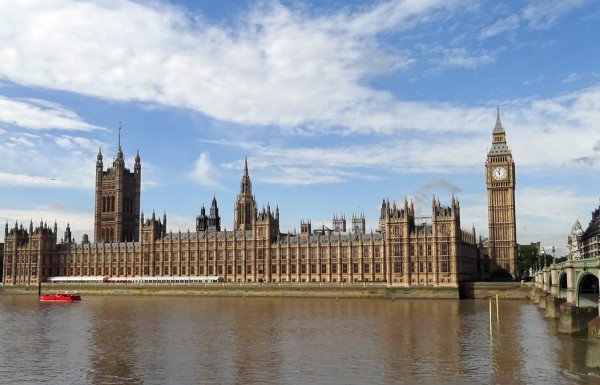 One of the most controversial policy changes being made by the Conservative government relates to the tax credit system. For many years, the tax and benefits system in the UK has come in for significant criticism. It has been described as overly complex, a system that doesn’t reward work and yet a system that doesn’t provide sufficient incentives to move off benefits and into work.
The changes that the government is proposing are wide-ranging and focused in part on reducing the deficit. With changes to tax thresholds, the introduction of the National Living Wage (NLW) and changes to the thresholds at which tax credits are available, the Treasury suggests that £4.5 billion will be saved per year. It also says that most working families will be made better off. However, the IFS suggests that some families could lose up to £1000 per year following the changes.
In addition to these changes, the amount of tax-free childcare is also set to increase, helping those households with young children
Tax credits are designed to help low income families and working tax credit, in particular, is aimed to encourage people to move into work. A key change to this tax credit will see the threshold at which the recipient’s payments of this benefit begin to decline move from £6420 to £3850. The withdrawal rate – the rate at which the benefit is withdrawn – will also be increased.
 The idea is that this will help to target the benefit more tightly – make it more vertically efficient. But, the concern is that this will also mean that low-income working households are worse off, despite the introduction in April 2016 of the National Living Wage. The Chancellor suggests that anyone who is working full time will be better off following these changes and that as such the changes will actively encourage work and lead to an increase in the supply of labour. This, the government argues, is a good policy for the working population, tax payers and for the wider economy.
This policy will remain controversial, with changes set to come in from 2016 and then 2017. It is certainly difficult to assess the impact of these changes on households and part of that stems from the complexities of the existing system, which mean that some households are eligible for some benefits, whereas others are not.
The final impact, if such changes are approved, will only be known once the tax credit changes are implemented. The House of Lords will vote on whether to ‘kill’ the tax credit cuts and Mr. Osborne, despite some concerns from Conservative back-benchers has said he is ‘comfortable’ with the policy and that the House of Lords should respect the views of the other house. Until we see the results of the vote and, even then, the impact of the changes on households, both sides will continue to produce data and estimates in support of their views.
Tax credit changes: who will be the winners and losers? BBC News, Brian Milligan (20/10/14)
Tax credit cuts: Osborne ‘comfortable’ with plan despite pressure from fellow Tories The Guardian, Rowena Mason and Heather Stewart (22/10/15)
George Osborne insists he signalled tax credit cuts before the election Independent, Jon Stone (22/10/15)
George Osborne: I am “comfortable” with tax credit cuts The Telegraph, Steven Swinford (22/10/15)
Commons Speaker warns Lords not to block tax credit cuts The Guardian, Patrick Wintour (21/10/15)
Tax credits: George Osborne ‘comfortable’ with ‘judgement call’ BBC News (22/10/15)
Osborne stands firm despite tax credits unease Financial Times, George Parker and Ferdinando Giugliano (22/10/15)
Austerity was a political choice. Now it’s starting to look like a bad one The Guardian. Heather Stewart (25/10/15)
Questions
- What are tax credits?
- How do they aim to affect the supply of labour?
- Using indifference analysis, explain how the income and substitution effects will work, following a change to tax thresholds.
- What is meant by vertical efficiency and the targeting of benefits?
- Why would the changes to tax credits help those in full-time work more than those in part-time work?
- What are the main arguments for and against the changes to tax credits?
 The 2015 Rugby World Cup is now well under-way, with record crowds, surprising results and some heartbreak. But what about the economic impact of the Rugby World Cup? Big sporting events bring in spectators (estimated to be 466,000), athletes and crucially they all spend money. But what happens when the host country doesn’t make it through? Unfortunately for all England fans out there, this is a very relevant question.
Go to the area surrounding a stadium on the day of a rugby world cup match and you will barely find a pub with any room to move. Spending on drinks and food in local pubs and restaurants on match days is extremely high and many hotels are at breaking point with reservations. Predictions were that there would be an increase in direct expenditure by international visitors of £869 million. A report by Ernst and Young looked at the Economic Impact of the Rugby World Cup 2015 and it provides detailed analysis of how such sporting events can generate benefits to the host nation. The highlights are:
- £2.2 billion of output into the economy
- £982 million of value added to national GDP
- £85 million in infrastructure
- 41,000 jobs across the country
- £1 billion of added value
But, what happens when you take out the host team? Suddenly we see less interest in the daily matches and the feel good spirit takes a dive. Of course, the other home teams are still around and English fans are being encouraged to support them, but commentators suggested that this early exit will have a significant economic impact. Alex Edmans from the London Business School suggests that when a host nation exits a rugby sporting event at an early stage, the pessimism can wipe 0.15% of the stock market the following day. This translates to around £3 billion for the UK. He noted:
A defeat makes investors more negative about life in general. If England were to lose, they wouldn’t just be negative about the England rugby team but also about economic outcomes in general.
Advertising revenues may also be hit, with a significant impact on ITV, who are showing all matches. With England out, the value of advertising slots has fallen and the advertising impact on some of the key England sponsors, such as O2, may be significant. However, English ticket holders may use this as an opportunity to make money, selling on their tickets to fans of surviving teams! The following articles and report from Ernst and Young consider this latest major sporting event that has come to the UK.
Articles
The Economic Impact of Rugby World Cup 2015 Ernst and Young 2014
An England Rugby World Cup exit could have knock-on effect for our stock market The Guardian, Sean Farrell (1/10/15)
Brands cheer on Rugby World Cup in face of England’s exit Financial Times, Malcolm Moore (4/10/15)
Rugby World Cup 2015: Early England exit could cost country £3bn International Business Times, Alfred Joyner (6/10/15)
Rugby World Cup brands play down commercial losses of England’s ‘lacklustre’ exit The Drum, Seb Joseph (5/10/15)
Questions
- What is an Economic Impact Analysis?
- How would you estimate the size of the multiplier effect of a sporting event, such as the Rugby World Cup?
- Following England’s exit, what happened to the stock market?
- How will media companies be affected by the Rugby World Cup and by England’s exit?
- Why do emotions affect the stock market?
- Do you think England’s exit will lead to greater spending in other parts of the country, such as Scotland and Wales, as England fans defect?
 What is the relationship between the degree of inequality in a country and the rate of economic growth? The traditional answer is that there is a trade off between the two. Increasing the rewards to those who are more productive or who invest encourages a growth in productivity and capital investment, which, in turn, leads to faster economic growth. Redistribution from the rich to the poor, by contrast, is argued to reduce incentives by reducing the rewards from harder work, education, training and investment. Risk taking, it is claimed, is discouraged.
Recent evidence from the OECD and the IMF, however, suggests that when income inequality rises, economic growth falls. Inequality has grown massively in many countries, with average incomes at the top of the distribution seeing particular gains, while many at the bottom have experienced actual declines in real incomes or, at best, little or no growth. 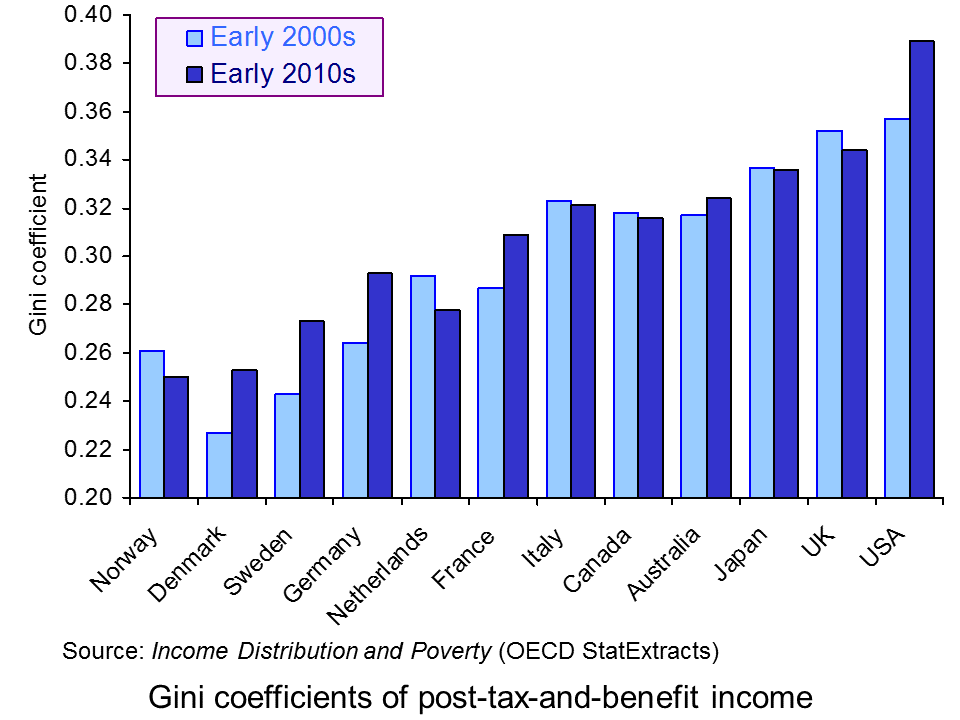 This growth in inequality can be seen in a rise in countries’ Gini coefficients. The OECD average Gini coefficient rose from 0.29 in the mid-1980s to 0.32 in 2011/12. This, claims the OECD, has led to a loss in economic growth of around 0.35 percentage points per year.
But why should a rise in inequality lead to lower economic growth? According to the OECD, the main reason is that inequality reduces the development of skills of the lower income groups and reduces social mobility.
By hindering human capital accumulation, income inequality undermines education opportunities for disadvantaged individuals, lowering social mobility and hampering skills development.
The lower educational attainment applies both to the length and quality of education: people from poorer backgrounds on average leave school or college earlier and with lower qualifications.
But if greater inequality generally results in lower economic growth, will a redistribution from rich to poor necessarily result in faster economic growth? According to the OECD:
Anti-poverty programmes will not be enough. Not only cash transfers but also increasing access to public services, such as high-quality education, training and healthcare, constitute long-term social investment to create greater equality of opportunities in the long run.
Thus redistribution policies need to be well designed and implemented and focus on raising incomes of the poor through increased opportunities to increase their productivity. Simple transfers from rich to poor via the tax and benefits system may, in fact, undermine economic growth. According to the IMF:
That equality seems to drive higher and more sustainable growth does not in itself support efforts to redistribute. In particular, inequality may impede growth at least in part because it calls forth efforts to redistribute that themselves undercut growth. In such a situation, even if inequality is bad for growth, taxes and transfers may be precisely the wrong remedy.
Articles
Inequality ‘significantly’ curbs economic growth – OECD BBC News (9/12/14)
Is inequality the enemy of growth? BBC News, Robert Peston (6/10/14)
Income inequality damages growth, OECD warns Financial Times, Chris Giles (8/10/14)
OECD finds increasing inequality lowers growth Deutsche Welle, Jasper Sky (10/12/14)
Revealed: how the wealth gap holds back economic growth The Guardian, Larry Elliott (9/12/14)
Inequality Seriously Damages Growth, IMF Seminar Hears IMF Survey Magazine (12/4/14)
Warning! Inequality May Be Hazardous to Your Growth iMFdirect, Andrew G. Berg and Jonathan D. Ostry (8/4/11)
Economic growth more likely when wealth distributed to poor instead of rich The Guardian, Stephen Koukoulas (4/6/15)
So much for trickle down: only bold reforms will tackle inequality The Guardian, Larry Elliott (21/6/15)
Videos
Record inequality between rich and poor OECD on YouTube (5/12/11)
The Price of Inequality The News School on YouTube, Joseph Stiglitz (5/10/12)
Reports and papers
FOCUS on Inequality and Growth OECD, Directorate for Employment, Labour and Social Affairs (December 2014)
Trends in Income Inequality and its Impact on Economic Growth OECD Social, Employment and Migration Working Papers, Federico Cingano (9/12/14)
An Overview of Growing Income Inequalities in OECD Countries: Main Findings OCED (2011)
Redistribution, Inequality, and Growth IMF Staff Discussion Note, Jonathan D. Ostry, Andrew Berg, and Charalambos G. Tsangarides (February 2014)
Measure to Measure Finance and Development, IMF, Jonathan D. Ostry and Andrew G. Berg (Vol. 51, No. 3, September 2014)
Data
OECD Income Distribution Database: Gini, poverty, income, Methods and Concepts OECD
The effects of taxes and benefits on household income ONS
Questions
- Explain what are meant by a Lorenz curve and a Gini coefficient? What is the relationship between the two?
- The Gini coefficient is one way of measuring inequality. What other methods are there? How suitable are they?
- Assume that the government raises taxes to finance higher benefits to the poor. Identify the income and substitution effects of the tax increases and whether the effects are to encourage or discourage work (or investment).
- Distinguish between (a) progressive, (b) regressive and (c) proportional taxes?
- How will the balance of income and substitution effects vary in each of the following cases: (a) a cut in the tax-free allowance; (b) a rise in the basic rate of income tax; (c) a rise in the top rate of income tax? How does the relative size of the two effects depend, in each case, on a person’s current income?
- Identify policy measures that would increase both equality and economic growth.
- Would a shift from direct to indirect taxes tend to increase or decrease inequality? Explain.
- By examining Tables 3, 26 and 27 in The Effects of Taxes and Benefits on Household Income, 2012/13, (a) explain the difference between original income, gross income, disposable income and post-tax income; (b) explain the differences between the Gini coefficients for each of these four categories of income in the UK.
 One of the key battle grounds at the next General Election is undoubtedly going to be immigration. A topic that is very closely related to EU membership and what can be done to limit the number of people coming to the UK. One side of the argument is that immigrants coming into the UK boost growth and add to the strength of the economy. The other side is that once in the UK, immigrants don’t move into work and end up taking more from the welfare state than they give to it through taxation.
A new report produced by University College London’s Centre for Research and Analysis of Migration has found that the effect on the UK economy of immigrants from the 10 countries that joined the EU from 2004 has been positive. In the years until 2011, it has been found that these immigrants contributed £4.96 billion more in taxes than they took out in benefits and use of public services. Christian Dustmann, one of the authors of this report said:
“Our new analysis draws a positive picture of the overall fiscal contribution made by recent immigrant cohorts, particularly of immigrants arriving from the EU … European immigrants, particularly, both from the new accession countries and the rest of the European Union, make the most substantial contributions … This is mainly down to their higher average labour market participation compared with natives and their lower receipt of welfare benefits.”
 The report also found that in the 11 years to 2011, migrants from these 10 EU countries were 43 per cent less likely than native Britons to receive benefits or tax credits, and 7 per cent less likely to live in social housing. This type of data suggests a positive overall contribution from EU immigration. However, critics have said that it doesn’t paint an accurate picture. Sir Andrew Green, Chairman of Migration Watch commented on the choice of dates, saying:
“If you take all EU migration including those who arrived before 2001 what you find is this: you find by the end of the period they are making a negative contribution and increasingly so … And the reason is that if you take a group of people while they’re young fit and healthy they’re not going to be very expensive but if you take them over a longer period they will be.”
However, the report is not all positive about the effects of immigration. When considering the impact on the economy of migrants from outside of the EEA, the picture is quite different. Over the past 17 years, immigration has cost the UK economy approximately £120bn, through migrant’s greater consumption of public benefits, such as the NHS, compared to their contributions through taxation. The debate is likely to continue and this report will certainly be used by both sides of the argument as evidence that (a) no change in immigration policy is needed and (b) a major change is needed to immigration policy. The following articles consider this report.
Report
The Fiscal effects of immigration to the UK The Economic Journal, University College London’s Centre for Research and Analysis of Migration, Christian Dustmann and Tommaso Frattini (November 2014)
Articles
Immigration from outside Europe ‘cost £120 billion’ The Telegraph, David Barrett (5/11/14)
New EU members add £5bn to UK says Research BBC News (5/11/14)
UK gains £20bn from European migrants, UCL economists reveal The Guardian, Alan Travis (5/11/14)
EU immigrant tax gain revealed Mail Online (5/11/14)
Immigration question still open BBC News, Robert Peston (5/11/14)
EU migrants pay £20bn more in taxes than they receive Financial Times, Helen Warrell (5/11/14)
Questions
- Why is immigration such a political topic?
- How are UK labour markets be affected by immigration? Use a demand and supply diagram to illustrate the effect.
- Based on your answer to question 2, explain why some people are concerned about the impact of immigration on UK jobs.
- What is the economic argument in favour of allowing immigration to continue?
- What policy changes could be recommended to restrict the levels of immigration from outside the EEA, but to continue to allow immigration from EU countries?
- If EU migrants are well educated, does that have a positive or negative impact on UK workers, finances and the economy?
 In this post we focus on three aspects of poverty around the world. The first is the definition of poverty. Is it an absolute or a relative concept? Does its definition change as the world develops. The second is the extent of poverty. Is the problem getting worse as inequality deepens, or are the numbers (absolutely or proportionately) getting smaller despite increased inequality? The third is policy to tackle the problem. What can be done and is being done? What answers are being given by policymakers in different parts of the world?
 In the EU, people in relative poverty are defined as those with disposable income (after monetary benefits) less than 60% of the median.
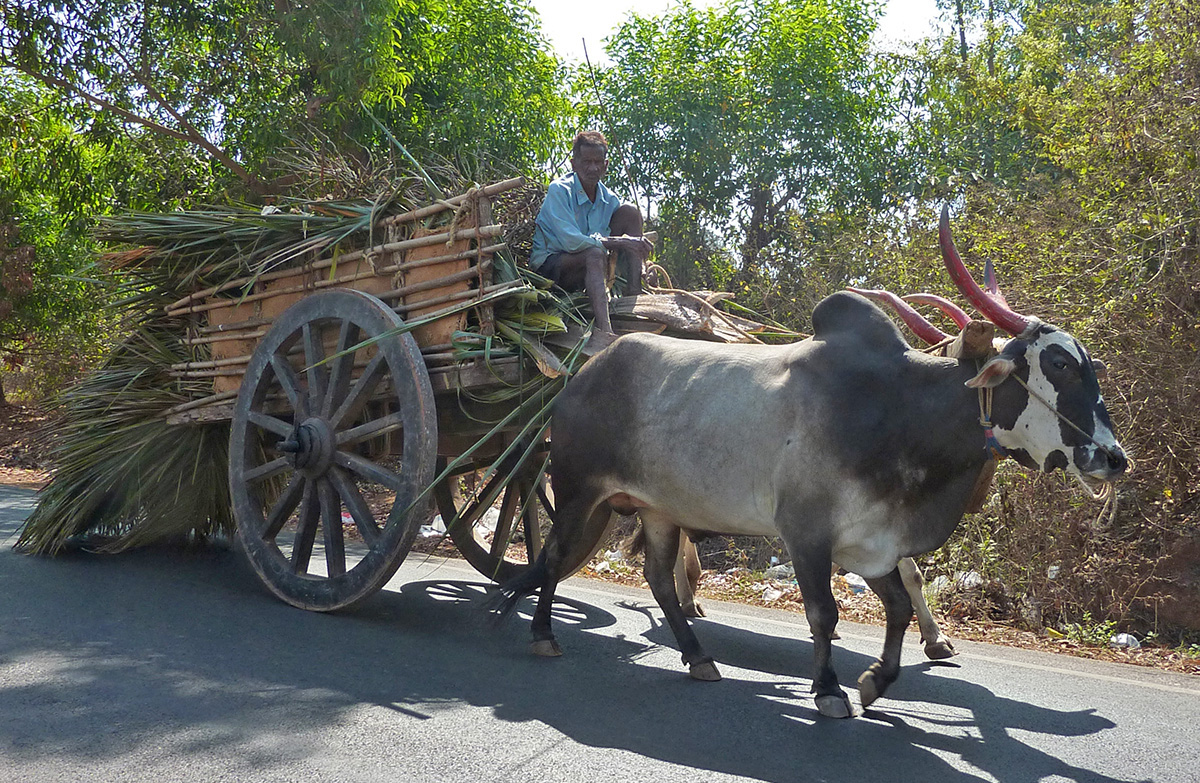 Despite this progress, in many countries extreme poverty is increasing. And in others, although the number in extreme poverty may be declining, it is still high and inequality is increasing so that more people are living only just above the extreme poverty line. The articles look at dimensions of poverty in different countries.
 The third is to attempt to improve the earning power of the poor. This may in part be by the second approach of improving education, training and health. But it may also involve removing restrictions to employment, say by making various forms of discrimination illegal. It may also involve increasing land rights. In many developing countries land is very unequally distributed; redistribution to the poor can make a substantial contribution to relieving poverty. Another approach is to encourage agencies which supply microfinance for poor people wishing to set up their own small business.