 The world has suffered from a number of adverse supply shocks in recent years. First there was the credit supply shock of 2007–9 that led to a default on mortgages, a collapse in confidence in the banking system, the drying up of the inter-bank market, the freezing of lending and a global economic contraction. Then there was the COVID-19 pandemic. This shock to the the global economy led to a a fall in output and breaks in supply chains. As recovery took place, supply-side difficulties led to a surge in inflation.
Then there was the Russian invasion of Ukraine. This shock to energy and grain supplies led to rises in fuel and food prices: a cost-push inflationary shock. More recently, the closing of the Strait of Hormuz has cut off an important supply route and again sent fuel and other other prices rising.
These supply-side shocks create a dilemma for central banks. They push up inflation, but push output and employment down – a situation of ‘stagflation’.
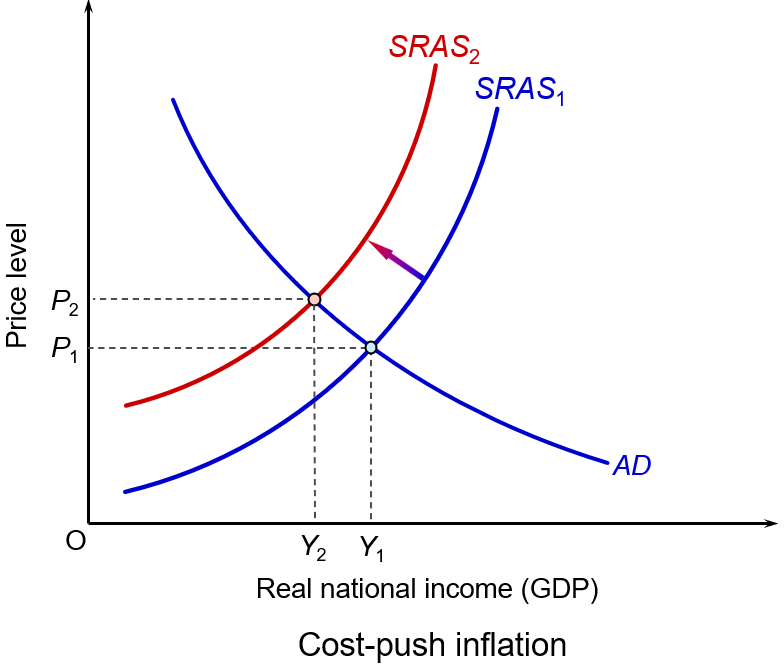 This can be illustrated with a simple aggregate demand and supply diagram. The shock shifts the aggregate supply curve upwards to the left, illustrated by the move from SRAS1 to SRAS2. The price level rises to P2 and GDP falls to Y2.
But central bank policy is designed to affect aggregate demand, not aggregate supply. If it raises interest rates, aggregate demand will shift to the left. The price level will fall (or at least the rate of inflation will fall), but output will fall further. If it cuts interest rates, aggregate demand will shift to the right. This will help to curtail, or even reverse, the fall in GDP, but will lead to even higher prices.
For countries where their central bank has a simple inflation mandate (e.g. keeping inflation close to 2%), sticking to this target in the short term would result in higher interest rates, lower economic growth and higher unemployment – and possibly even a recession. In such cases, central banks tend to project forward beyond the short-term shock and set interest rates to target inflation in a few months’ time. Indeed, many central banks do explicitly target inflation in the medium term (1 or 2 years) rather than the short term.
 Central banks, such as the US Federal Reserve Bank, which have a dual mandate of targeting inflation but also maximising employment, the trade-off between these two objectives can be stark. Getting the inflation down requires a higher rate of interest; maximising employment in the face of an adverse supply shock requires a lower rate of interest.
The short-term economic costs, let alone the human costs if the shock involves a war, can be great. People may suffer extreme hardship. The cost to the US Treasury of the first six weeks of the Iran war were estimated by the Pentagon to be some $29bn1 – which translates into higher taxes for US residents, lower government spending on non-war related items, higher government borrowing or some combination of the three. Other estimates put the cost to the US taxpayer as much higher – up to $1 trillion over the longer term.2 Then there are the costs to consumers of higher fuel and other prices, estimated at around $410 per month.3
The costs to Iranian citizens will be much higher in terms of war damage and loss of livelihood, let alone the suffering and loss of life. Then there are the costs to the rest of the world from higher prices of fuel, fertilisers and various industrial materials that are normally shipped through the Strait of Hormuz.
Long-term economic gain?
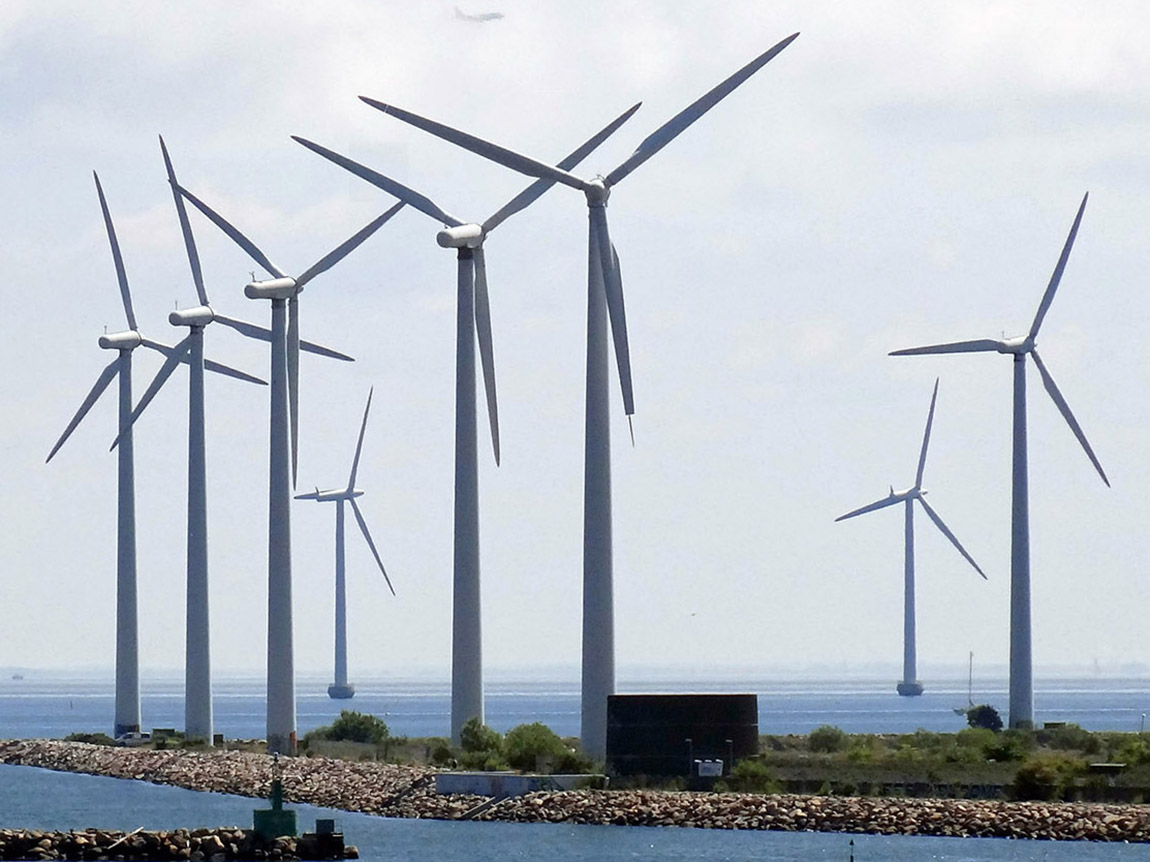 Supply shocks often expose economic vulnerabilities that can later be addressed, making supply chains more diverse and more resilient. They can give a boost to alternative technologies, such as a switch from fossil-fuels to green energy.
After the 2007–9 financial crisis, banking systems were made more robust under the Basel III system. Capital and liquidity requirements were increased and bank leverage was decreased. Many countries, such as the UK, introduced ‘ringfencing’ to separate retail banking from the riskier investment banking. This increased confidence in the banking system.
The COVID-19 pandemic gave a boost to working remotely and the establishment of more flexible work patterns. What was a necessity during lockdowns, was seen as an effective model by many companies. Fully remote or hybrid working became commonplace for many jobs that were previously done in the office. Time has allowed employers to find the best balance of in-office and remote working, with the optimum balance often varying by type of job being performed.
The rising price of oil and gas following the Russian invasion of Ukraine in February 2022, saw many countries that had been reliant on imports from Russia, accelerating their efforts to switch to renewable energy. Supply chains were re-examined and there was a move towards ‘re-shoring’, ‘near-shoring’, or ‘friend-shoring’: that is, obtaining supplies from countries that are nearer and/or more reliable as trading partners.
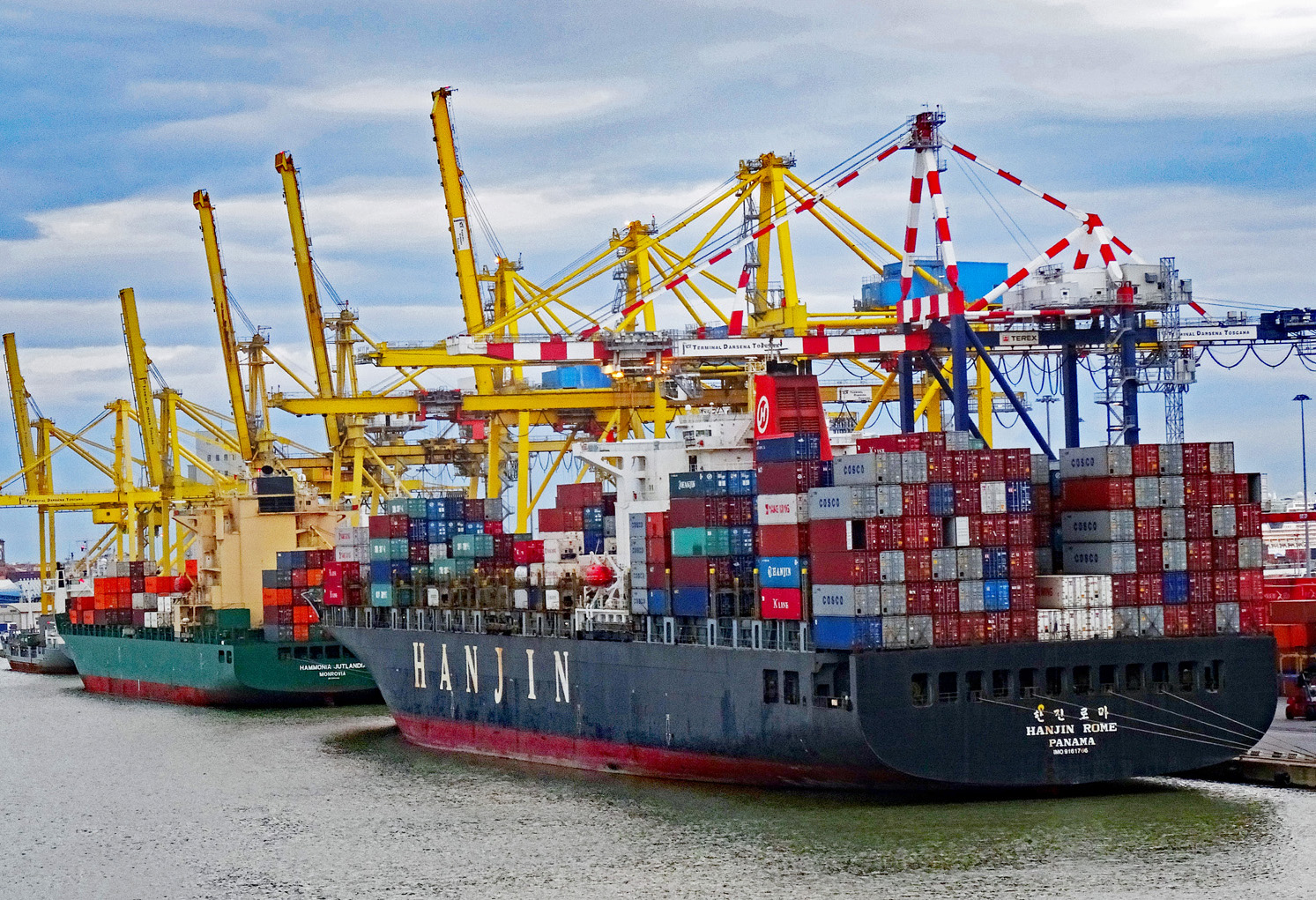 This approach was further boosted by the extensive tariffs imposed by the Trump second administration. One of the responses to the higher tariffs was to seek markets, both for exports and imports, away from the USA. To the extent that there is ‘re-shoring’ (substituting exports and imports for production and consumption within the country), then this amounts to deglobalisation. If this represents a move from low-cost to high-cost production and is contrary to the law of comparative advantage, then there will be a net economic loss. If, however, the reduction in risk of disruption and the boost to domestic industries allows a reduction in costs, there could be a net gain.
The most recent example of the Iran war has led many countries to reconsider sources of supply and to make their supply chains more robust and less risky. Gulf countries are considering expanding their pipeline network to avoid the Strait of Hormuz. For other countries, it is providing a further boost to green energy. Increased investment in the renewable sector will help to bring down costs and make countries less vulnerable to future conflicts involving oil-producing countries or sea passages.
To summarise: if initially adverse supply-side shocks cause a diversification and strengthening of supply chains, a diversification of energy sources, accelerated technological innovation and the adoption of new more efficient techniques, the long-term supply-side effects could be positive. Pain today for gain tomorrow?
But the short run comes before the long run and today’s costs are real and mounting. A shock may stimulate a positive response, but the current shock is persisting, and forecasts are getting more dire by the day. And even when the Iran war is over, there may be more shocks around the corner – ‘unknown unknowns’. As Keynes said: ‘In the long run we’re all dead’.
References
- Pentagon’s estimate for Iran war grows to $29B
Politico, Mark Sweney (12/5/26)
- World Politics The Iran war could cost the American taxpayer $1 trillion, says Harvard academic
CNBC, Joseph Wilkins (14/4/26)
- The Economic Costs of the Iran War
American Enterprise Institute, Roger Pielke Jr. (2/4/26)
Articles
Questions
- What policies have central banks pursued during the Iran war?
- Paint an optimistic scenario for the global economy five years hence.
- Paint a pessimistic scenario for the global economy five years hence.
- Compare the sources of supply of oil and gas for Europe directly prior to the Iran war with those directly prior to the Russian invasion of Ukraine.
- Compare the relative merits of globalisation and deglobalisation. Does this depend on the nature of globalisation and deglobalisation?
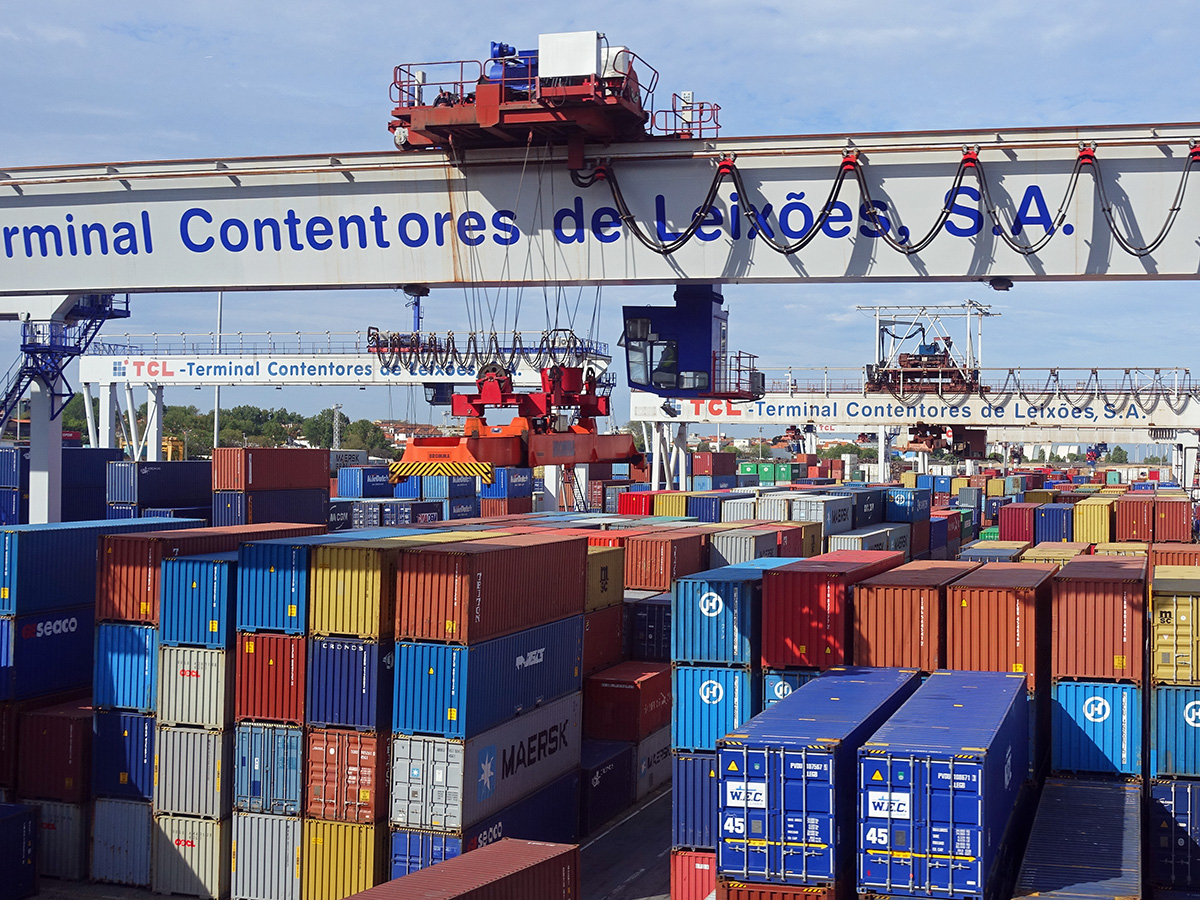 Over the decades, economies have become increasingly interdependent. This process of globalisation has involved a growth in international trade, the spread of technology, integrated financial markets and international migration.
When the global economy is growing, globalisation spreads the benefits around the world. However, when there are economic problems in one part of the world, this can spread like a contagion to other parts. This was clearly illustrated by the credit crunch of 2007–8. A crisis that started in the sub-prime market in the USA soon snowballed into a worldwide recession. More recently, the impact of Covid-19 on international supply chains has highlighted the dangers of relying on a highly globalised system of production and distribution. And more recently still, the war in Ukraine has shown the dangers of food and fuel dependency, with rapid rises in prices of basic essentials having a disproportionate effect on low-income countries and people on low incomes in richer countries.
Moves towards autarky
So is the answer for countries to become more self-sufficient – to adopt a policy of greater autarky? Several countries have moved in this direction. The USA under President Trump pursued a much more protectionist agenda than his predecessors. The UK, although seeking new post-Brexit trade relationships, has seen a reduction in trade as new barriers with the EU have reduced UK exports and imports as a percentage of GDP. 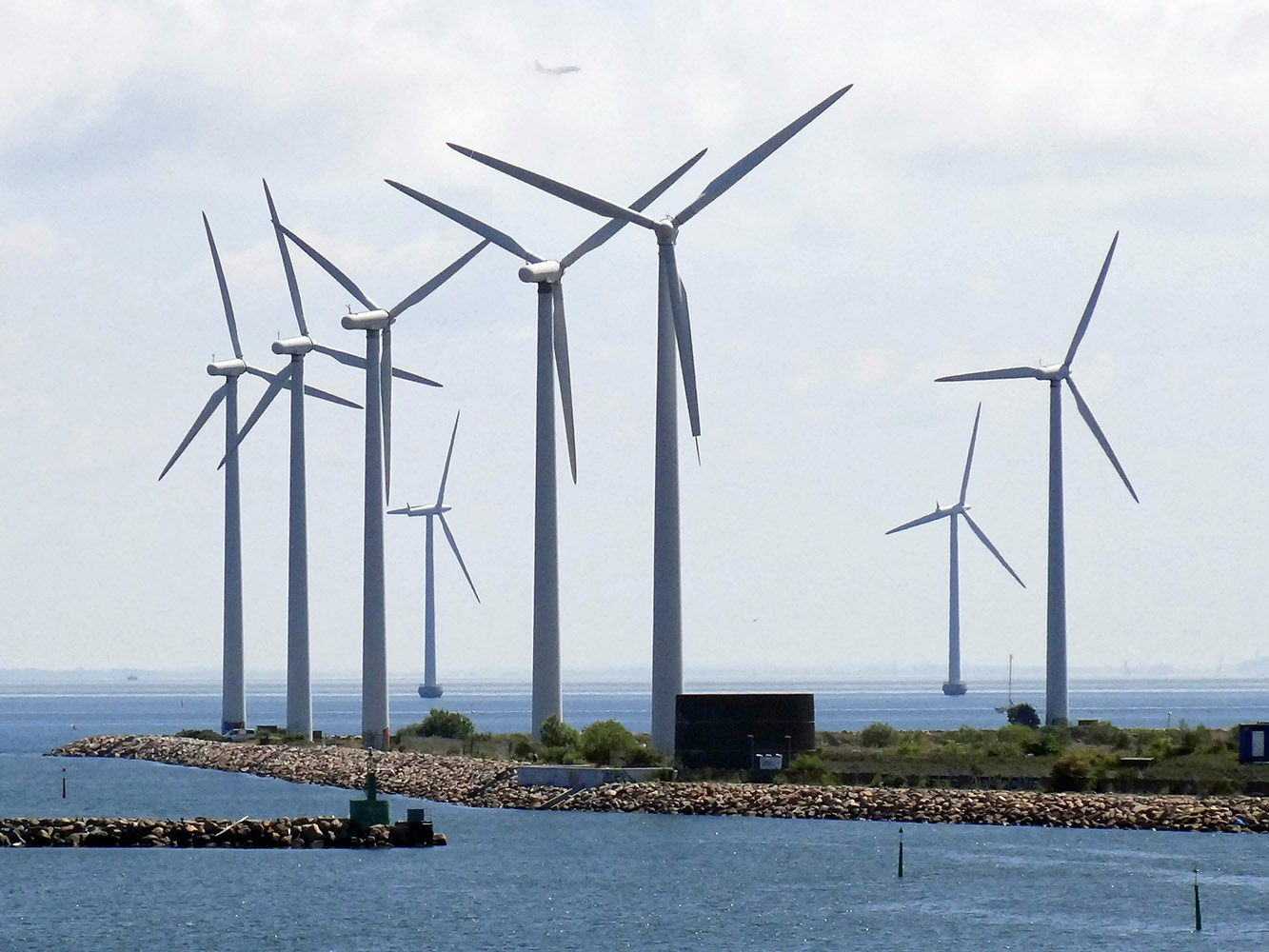 According to the Office for Budget Responsibility’s November 2022 Economic and Fiscal Outlook, Brexit will result in the UK’s trade intensity being 15 per cent lower in the long run than if it had remained in the EU.
Many European countries are seeking to achieve greater energy self-sufficiency, both as a means of reducing reliance on Russian oil and gas, but also in pursuit of a green agenda, where a greater proportion of energy is generated from renewables. More generally, countries and companies are considering how to reduce the risks of relying on complex international supply chains.
Limits to the gains from trade
The gains from international trade stem partly from the law of comparative advantage, which states that greater levels of production can be achieved by countries specialising in and exporting those goods that can be produced at a lower opportunity cost and importing those in which they have a comparative disadvantage. Trade can also lead to the transfer of technology and a downward pressure on costs and prices through greater competition.
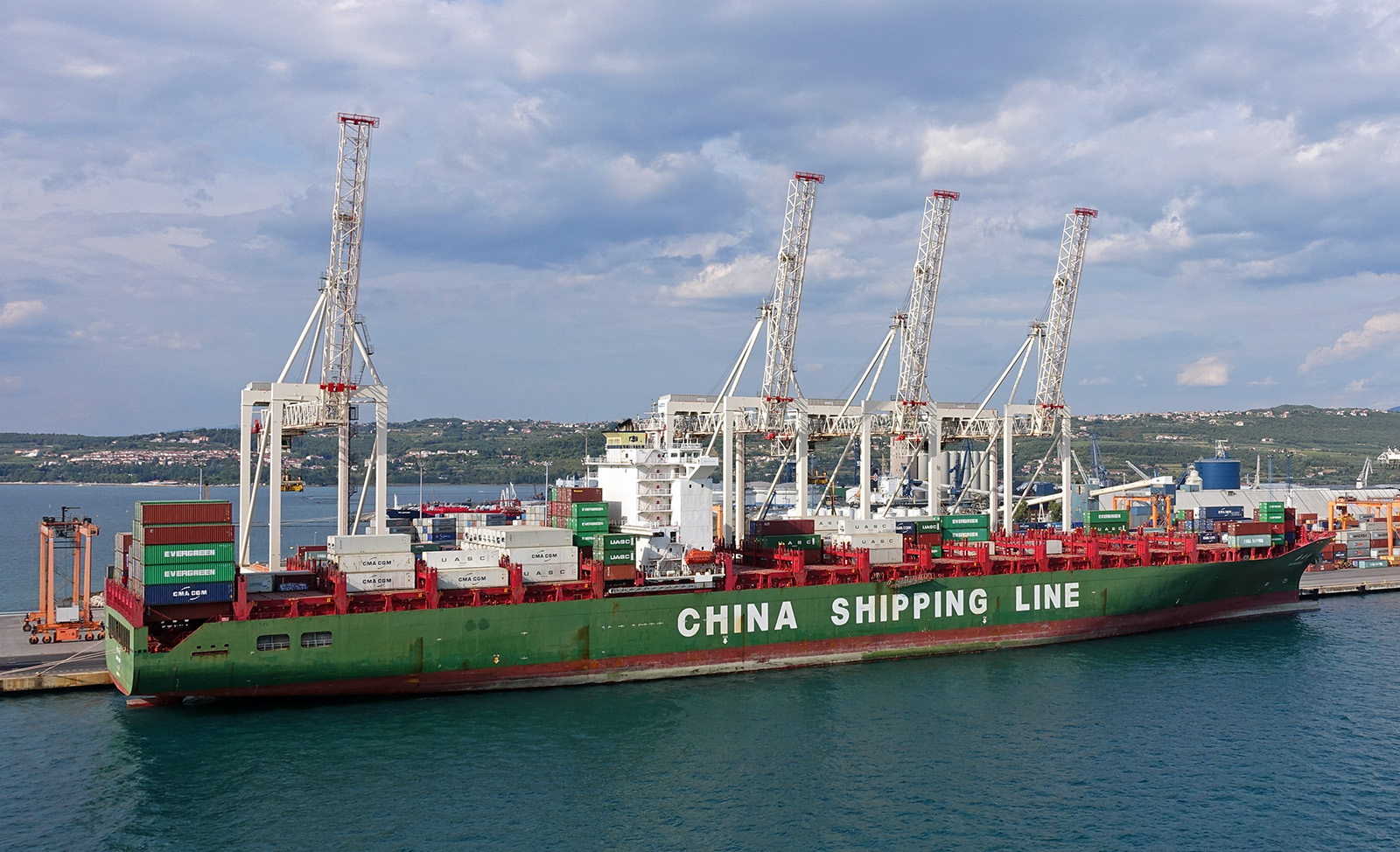 But trade can increase dependence on unreliable supply sources. For example, at present, some companies are seeking to reduce their reliance on Taiwanese parts, given worries about possible Chinese actions against Taiwan.
Also, governments have been increasingly willing to support domestic industries with various non-tariff barriers to imports, especially since the 2007–8 financial crisis. Such measures include subsidies, favouring domestic firms in awarding government contracts and using regulations to restrict imports. These protectionist measures are often justified in terms of achieving security of supply. The arguments apply particularly starkly in the case of food. In the light of large price increases in the wake of the Ukraine war, many countries are considering how to increase food self-sufficiency, despite it being more costly.
Also, trade in goods involves negative environmental externalities, as freight transport, whether by sea, air or land, involves emissions and can add to global warming. In 2021, shipping emitted over 830m tonnes of CO2, which represents some 3% of world total CO2 emissions. In 2019 (pre-pandemic), the figure was 800m tonnes. The closer geographically the trading partner, the lower these environmental costs are likely to be.
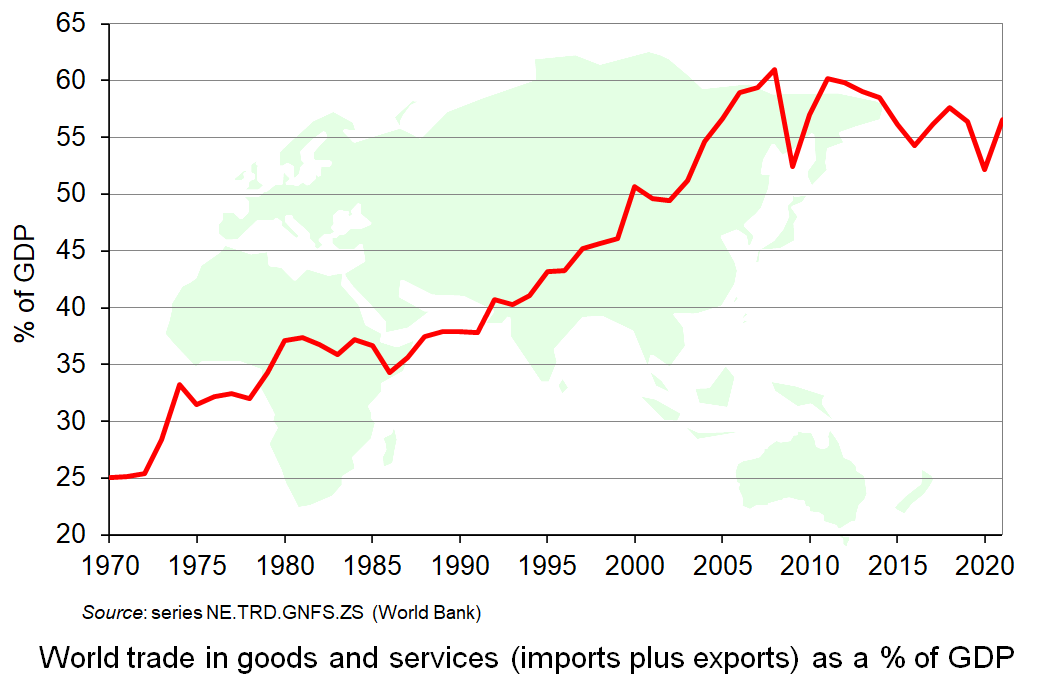 The problems with a globally interdependent world have led to world trade growing more slowly than world GDP in recent years after decades of trade growth considerably outstripping GDP growth. Trade (imports plus exports) as a percentage of GDP peaked at just over 60% in 2008. In 2019 and 2021 it was just over 56%. This is illustrated in the chart (click here for a PowerPoint). Although trade as a percentage of GDP rose slightly from 2020 to 2021 as economies recovered from the pandemic, it is expected to have fallen back again in 2022 and possibly further in 2023.
But despite this reduction in trade as a percentage of GDP, with de-globalisation likely to continue for some time, the world remains much more interdependent than in the more distant past (as the chart shows). Greater autarky may be seen as desirable by many countries as a response to the greater economic and political risks of the current world, but greater autarky is a long way from complete self-sufficiency. The world is likely to remain highly interdependent for the foreseeable future. Reports of the ‘death of globalisation’ are premature!
Podcasts
Articles
Report
Questions
- Explain the law of comparative advantage and demonstrate how trade between two countries can lead to both countries gaining.
- What are the main economic problems arising from globalisation?
- Is the answer to the problems of globalisation to move towards greater autarky?
- Would the expansion/further integration of trading blocs be a means of exploiting the benefits of globalisation while reducing the risks?
- Is the role of the US dollar likely to decline over time and, if so, why?
- Summarise Karl Polanyi’s arguments in The Great Transformation (see the Daniel W. Drezner article linked below). How well do they apply to the current world situation?
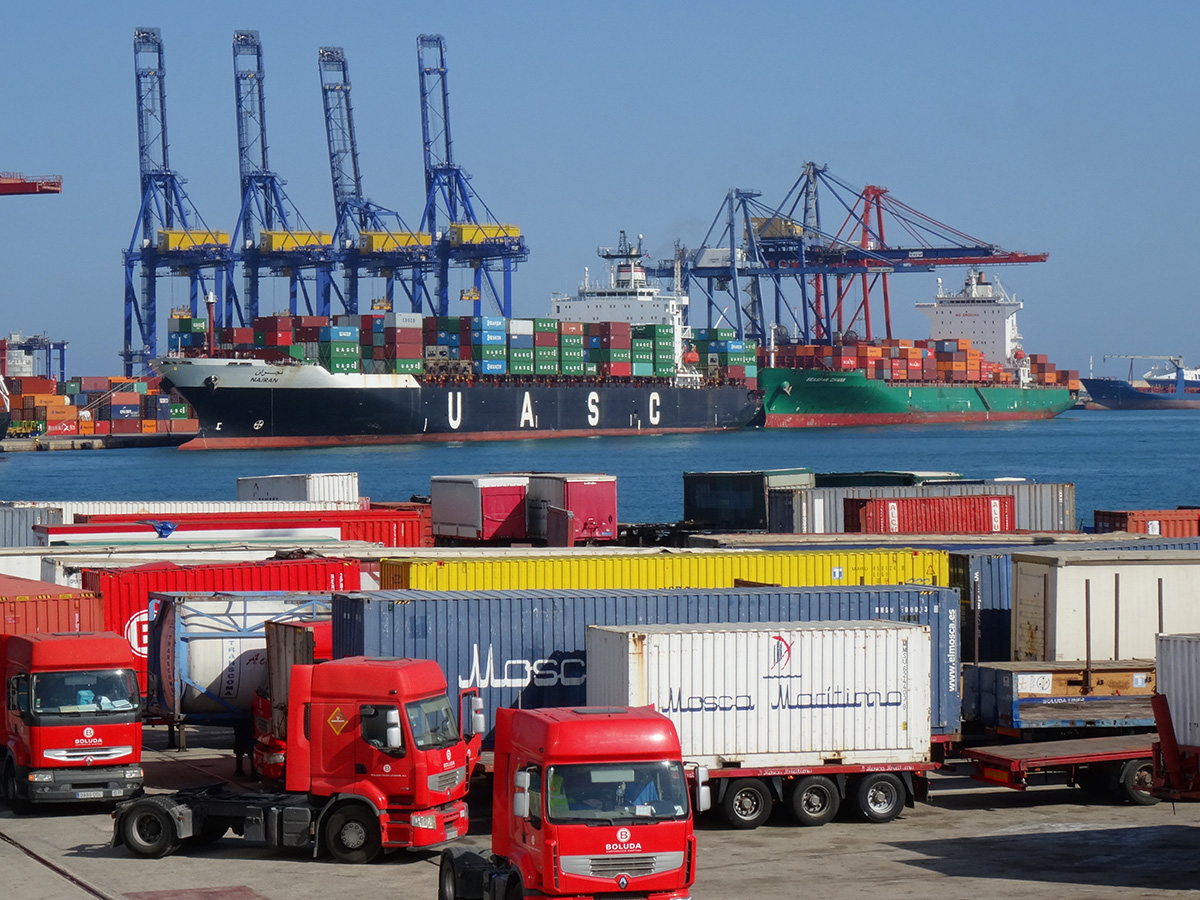 Shipping and supply chains generally have experienced major problems in 2021. The global pandemic disrupted the flow of trade, and the bounce-back in the summer of 2021 saw supply chains stretched as staff shortages and physical capacity limits hit the transport of freight. Ships were held up at ports waiting for unloading and onward transportation. The just-in-time methods of delivery and stock holding were put under considerable strain.
The problems were compounded by the blockage of the Suez canal in March 2021. As the blog, JIT or Illegit stated “When the large container ship, the Ever Given, en route from Malaysia to Felixtowe, was wedged in the Suez canal for six days in March this year, the blockage caused shipping to be backed up. By day six, 367 container ships were waiting to transit the canal. The disruption to supply cost some £730m.”
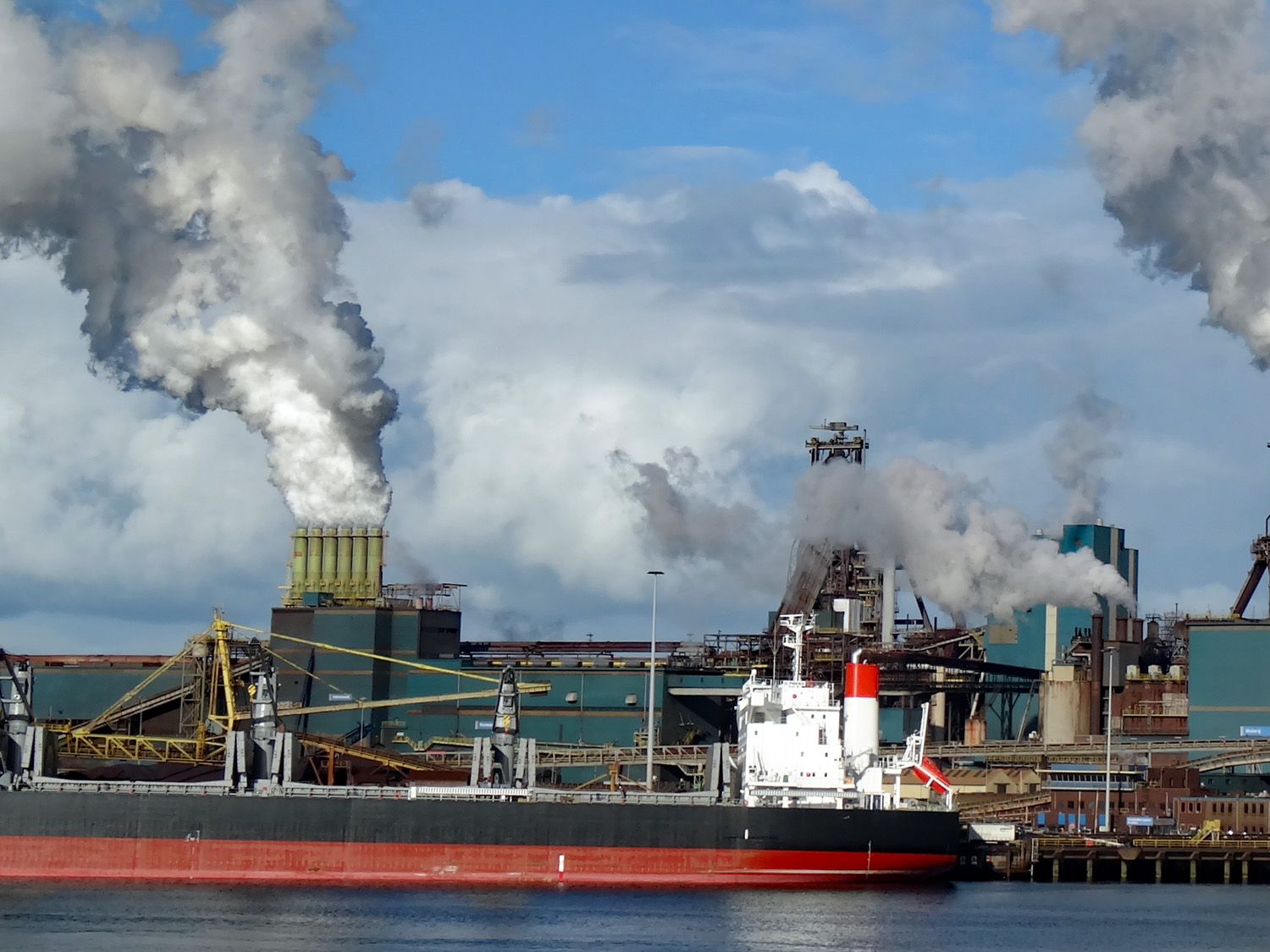 Another major event in 2021 was the Glasgow COP26 climate conference and the growing willingness of countries to commit to decarbonising their economies. But whereas electricity can be generated from renewable sources, and factories and land transport, such as cars, vans and trains, can run on electricity, it is not so easy to decarbonise shipping, especially for long journeys. They cannot plug in to the grid or draw down from overhead cables. They have to carry their own fuel sources with them.
So, have the pandemic and the Ever Given incident exposed weaknesses in the global supply chain and in shipping in particular? And, if so, in what ways is shipping likely to adapt? And will the pressure to decarbonise lead to a radical rethinking of shipping and long-distance trade?
These are some of the issues considered in the podcast linked below. In it, “Shipping strategist Mark Williams tells Helen Lewis how examining the challenge of decarbonising shipping reveals a future which looks radically different to today, in a world where population, oil extraction and economic growth have all peaked, and trade is transformed”.
Listen to the podcast and have a go at the questions below which are based directly on it.
Podcast
Articles
Questions
- Why should we care about the shipping industry?
- What lessons can be drawn from the Ever Given incident?
- What structural changes are needed to make shipping an industry fit for the long-term demands of the global economy?
- Distinguish between just-in-time supply chains and just-in-case supply chains.
- What are ‘reshoring’ and ‘nearshoring’? How have they been driven by a growth in trade barriers?
- What are the implications of reshoring and nearshoring for (a) globalisation and (b) the UK’s trading position post-Brexit?
- What is the contribution of shipping to global greenhouse gas emissions? What other pollutants are emitted from the burning of heavy fuel oil (or ‘bunker fuel’)?
- What levers exist to persuade shipping companies to decarbonise their vessels?
- What alternative ‘green’ fuels are available to power ships?
- What are the difficulties in switching to such fuels?
- What economies of scale are there in shipping?
- How do the ownership patterns in shipping benefit decision making and change in the industry?
- Are ammonia or nuclear power the answer to the decarbonisation of shipping? What are their advantages and disadvantages?
- Why are President Xi’s views on the future of shipping so important?
- How will the decarbonisation of economies affect the demand for shipping?
- What is likely to happen to Chinese demand for iron ore and coking coal over the coming years? What effect will it have on shipping?
- How and by how much is the European Emissions Trading System likely to contribute to the decarbonisation of shipping?
- What is the Sea Cargo Charter? What difference is it likely to make to the decarbonisation of shipping?
- In what ways do cargo ships optimise productivity?
- What impact is slowing population growth, or even no population growth, likely to have on shipping?
 The global economic impact of the coronavirus outbreak is uncertain but potentially very large. There has already been a massive effect on China, with large parts of the Chinese economy shut down. As the disease spreads to other countries, they too will experience supply shocks as schools and workplaces close down and travel restrictions are imposed. This has already happened in South Korea, Japan and Italy. The size of these effects is still unknown and will depend on the effectiveness of the containment measures that countries are putting in place and on the behaviour of people in self isolating if they have any symptoms or even possible exposure.
The OECD in its March 2020 interim Economic Assessment: Coronavirus: The world economy at risk estimates that global economic growth will be around half a percentage point lower than previously forecast – down from 2.9% to 2.4%. But this is based on the assumption that ‘the epidemic peaks in China in the first quarter of 2020 and outbreaks in other countries prove mild and contained.’ If the disease develops into a pandemic, as many health officials are predicting, the global economic effect could be much larger. In such cases, the OECD predicts a halving of global economic growth to 1.5%. But even this may be overoptimistic, with growing talk of a global recession.
Governments and central banks around the world are already planning measures to boost aggregate demand. The Federal Reserve, as an emergency measure on 3 March, reduced the Federal Funds rate by half a percentage point from the range of 1.5–1.75% to 1.0–1.25%. This was the first emergency rate cut since 2008.
Economic uncertainty
With considerable uncertainty about the spread of the disease and how effective containment measures will be, stock markets have fallen dramatically. The FTSE 100 fell by nearly 14% in the second half of February, before recovering slightly at the beginning of March. 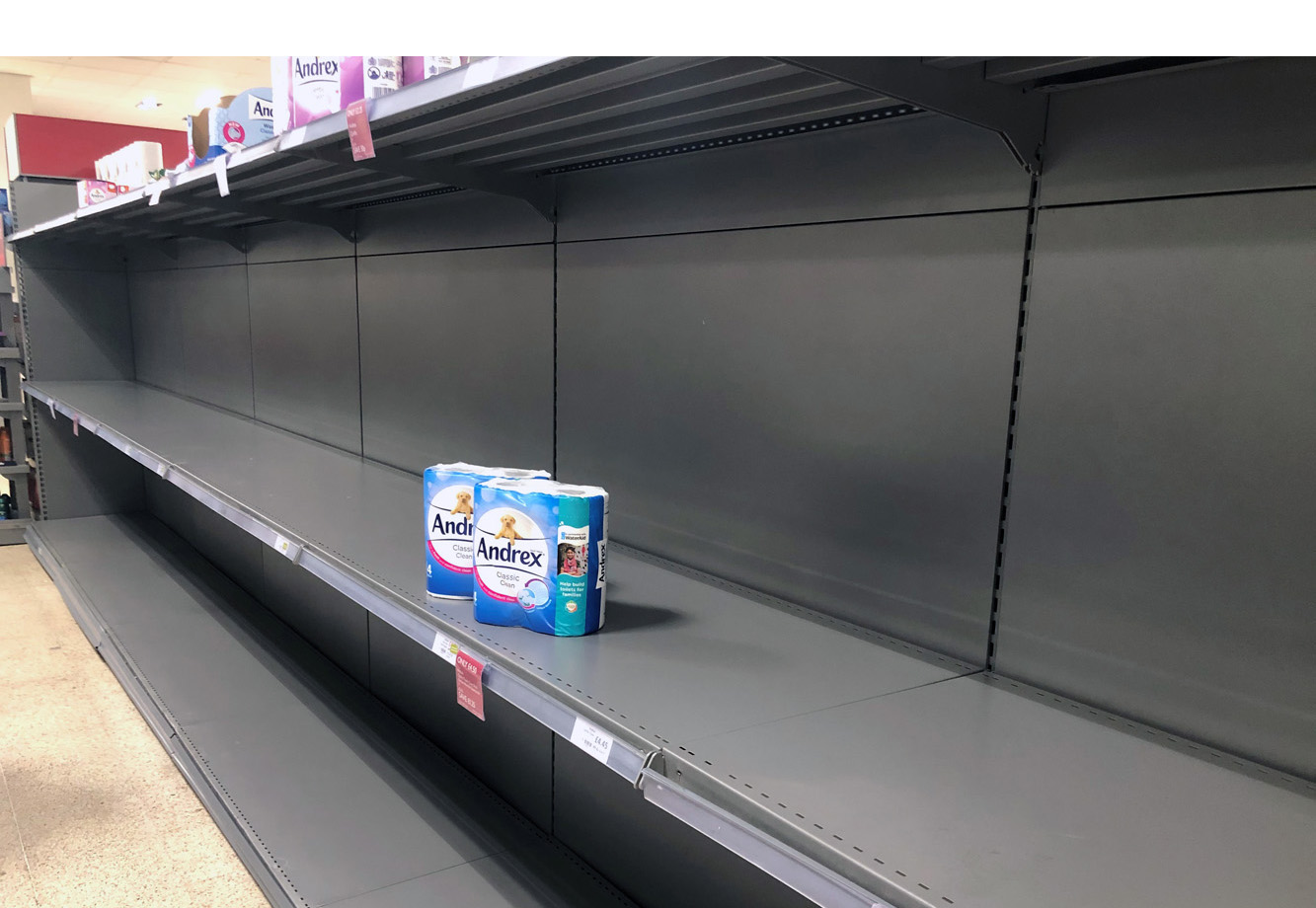 It then fell by a further 7.7% on 9 March – the biggest one-day fall since the 2008 financial crisis. This was specifically in response to a plunge in oil prices as Russia and Saudi Arabia engaged in a price war. But it also reflected growing pessimism about the economic impact of the coronavirus as the global spread of the epidemic accelerated and countries were contemplating more draconian lock-down measures.
Firms have been drawing up contingency plans to respond to panic buying of essential items and falling demand for other goods. Supply-chain managers are working out how to respond to these changes and to disruptions to supplies from China and other affected countries.
Firms are also having to plan for disruptions to labour supply. Large numbers of employees may fall sick or be advised/required to stay at home. Or they may have to stay at home to look after children whose schools are closed.  For some firms, having their staff working from home will be easy; for others it will be impossible.
Some industries will be particularly badly hit, such as airlines, cruise lines and travel companies. Budget airlines have cancelled several flights and travel companies are beginning to offer substantial discounts. Manufacturing firms which are dependent on supplies from affected countries have also been badly hit. This is reflected in their share prices, which have seen large falls.
Longer-term effects
Uncertainty could have longer-term impacts on aggregate supply if firms decide to put investment on hold. This would also impact on the capital goods industries which supply machinery and equipment to investing firms. For the UK, already having suffered from Brexit uncertainty, this further uncertainty could prove very damaging for economic growth.
 While aggregate supply is likely to fall, or at least to grow less quickly, what will happen to the balance of aggregate demand and supply is less clear. A temporary rise in demand, as people stock up, could see a surge in prices, unless supermarkets and other firms are keen to demonstrate that they are not profiting from the disease. In the longer term, if aggregate demand continues to grow at past rates, it will probably outstrip the growth in aggregate supply and result in rising inflation. If, however, demand is subdued, as uncertainty about their own economic situation leads people to cut back on spending, inflation and even the price level may fall.
How quickly the global economy will ‘bounce back’ depends on how long the outbreak lasts and whether it becomes a serious pandemic and on how much investment has been affected. At the current time, it is impossible to predict with any accuracy the timing and scale of any such bounce back.
Articles
- Coronavirus: Global growth ‘could halve’ if outbreak intensifies
BBC News (2/3/20)
- Coronavirus: Eight charts on how it has shaken economies
BBC News, Lora Jones, David Brown & Daniele Palumbo (4/3/20)
- The economic ravages of coronavirus
BBC News, Douglas Fraser (7/3/20)
- What Coronavirus Could Mean for the Global Economy
Harvard Business Review, Philipp Carlsson-Szlezak, Martin Reeves and Paul Swartz (3/3/20)
- Coronavirus escalation could cut global economic growth in half – OECD
The Guardian, Richard Partington and Phillip Inman (2/3/20)
- U.S. Fed Cuts Rates, There Are Still Strategies The ECB Can Follow
Forbes, Stephen Pope (3/3/20)
- A coronavirus recession could be supply-side with a 1970s flavour
The Guardian, Kenneth Rogoff (3/3/20)
- Coronavirus will wreak havoc on the US economy
CNN, Mark Zandi (3/3/20)
- UK factories feel the effects of coronavirus spread – PMI
Reuters, William Schomberg (2/3/20)
- The first economic modelling of coronavirus scenarios is grim for Australia, the world
The Conversation, Australia, Warwick McKibbin and Roshen Fernando (3/3/20)
- Extraordinary complacency: the coronavirus and emerging markets
Financial Times, Geoff Dennis (2/3/20)
- Coronavirus Economic Impact On Global Economy
Seeking Alpha, Mark Bern (1/3/20)
- OECD warns coronavirus could halve global growth
Financial Times, Chris Giles, Martin Arnold and Brendan Greeley (2/3/20)
- BoE’s Carney sees ‘powerful and timely’ global response to coronavirus
Reuters, David Milliken, Elizabeth Howcroft (3/3/20)
eBook
Questions
- Using a supply and demand diagram, illustrate the fall in stock market prices caused by concerns over the effects of the coronavirus.
- Using either (i) an aggregate demand and supply diagram or (ii) a DAD/DAS diagram, illustrate how a fall in aggregate supply as a result of the economic effects of the coronavirus would lead to (a) a fall in real income and (i) a fall in the price level or (ii) a fall in inflation; (b) a fall in real income and (i) a rise in the price level or (ii) a rise in inflation.
- What would be the likely effects of central banks (a) cutting interest rates; (b) engaging in further quantitative easing?
- What would be the likely effects of governments running a larger budget deficit as a means of boosting the economy?
- Distinguish between stabilising and destabilising speculation. How would you characterise the speculation that has taken place on stock markets in response to the coronavirus?
- What are the implications of people being paid on zero-hour contracts of the government requiring workplaces to close?
- What long-term changes to working practices and government policy could result from short-term adjustments to the epidemic?
- Is the long-term macroeconomic impact of the coronavirus likely to be zero, as economies bounce back? Explain.
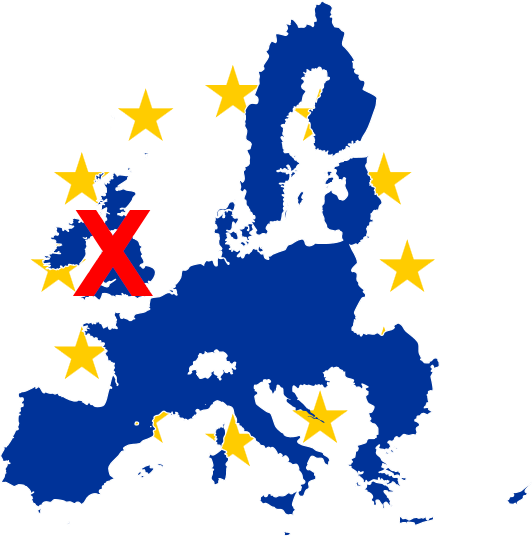 Economists were generally in favour of the UK remaining in the EU and highly critical of the policy proposals of Donald Trump. And yet the UK voted to leave the EU and Donald Trump was elected.
People rejected the advice of most economists. Many blamed the failure of most economists to predict the 2007/8 financial crisis and to find solutions to the growing gulf between rich and poor, with the majority stuck on low incomes.
So to what extent are economists to blame for the rise in populism – a wave that could lead to electoral upsets in various European countries? The podcast below brings together economists and politicians from across the political spectrum. It is over an hour long and provides an in-depth discussion of many of the issues and the extent to which economists can provide answers.
Podcast
 Should economists share the blame for populism? Guardian Politics Weekly podcast, Heather Stewart, joined by Andrew Lilico, Ann Pettifor, Jonathan Portes, Rachel Reeves and Vince Cable (23/2/17)
Questions
- Why has globalisation become a dirty word?
- Assess the arguments for and against an open policy towards immigration?
- In what positive ways may economists contribute to populism?
- Do economists concentrate too much on growth in GDP rather than on its distribution?
- Give some examples of ways in which various popular interpretations of economic phenomena may confuse correlation with causality.
- Why did the proportions of people who voted for and against Brexit differ considerably from one part of the country to another, from one age group to another and from one social group to another?
- In what ways have economists and the subject of economics contributed towards a growth in human welfare?
- What are the advantages and disadvantages of the trend for undergraduate economics curricula to become more mathematical (at least until relatively recently)?