 The world has suffered from a number of adverse supply shocks in recent years. First there was the credit supply shock of 2007–9 that led to a default on mortgages, a collapse in confidence in the banking system, the drying up of the inter-bank market, the freezing of lending and a global economic contraction. Then there was the COVID-19 pandemic. This shock to the the global economy led to a a fall in output and breaks in supply chains. As recovery took place, supply-side difficulties led to a surge in inflation.
Then there was the Russian invasion of Ukraine. This shock to energy and grain supplies led to rises in fuel and food prices: a cost-push inflationary shock. More recently, the closing of the Strait of Hormuz has cut off an important supply route and again sent fuel and other other prices rising.
These supply-side shocks create a dilemma for central banks. They push up inflation, but push output and employment down – a situation of ‘stagflation’.
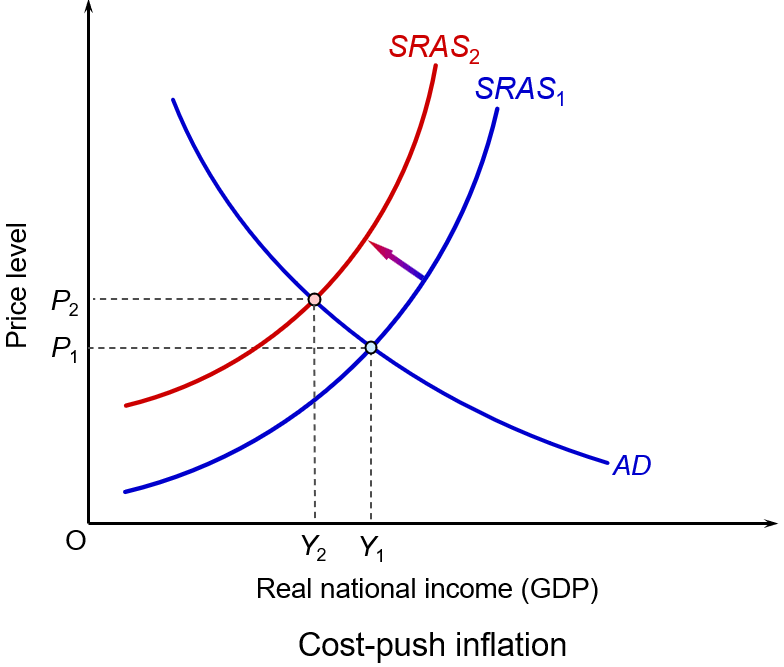 This can be illustrated with a simple aggregate demand and supply diagram. The shock shifts the aggregate supply curve upwards to the left, illustrated by the move from SRAS1 to SRAS2. The price level rises to P2 and GDP falls to Y2.
But central bank policy is designed to affect aggregate demand, not aggregate supply. If it raises interest rates, aggregate demand will shift to the left. The price level will fall (or at least the rate of inflation will fall), but output will fall further. If it cuts interest rates, aggregate demand will shift to the right. This will help to curtail, or even reverse, the fall in GDP, but will lead to even higher prices.
For countries where their central bank has a simple inflation mandate (e.g. keeping inflation close to 2%), sticking to this target in the short term would result in higher interest rates, lower economic growth and higher unemployment – and possibly even a recession. In such cases, central banks tend to project forward beyond the short-term shock and set interest rates to target inflation in a few months’ time. Indeed, many central banks do explicitly target inflation in the medium term (1 or 2 years) rather than the short term.
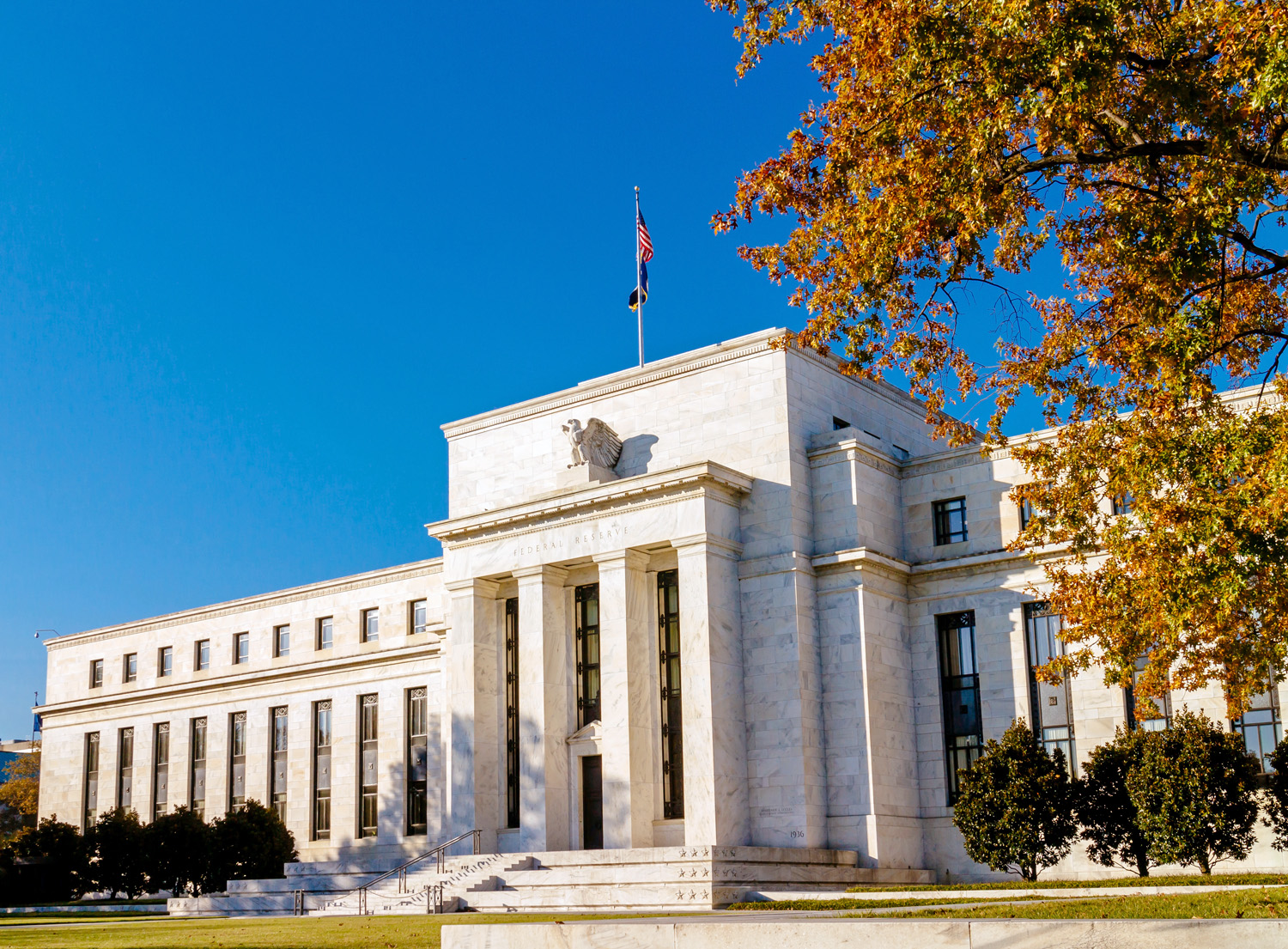 Central banks, such as the US Federal Reserve Bank, which have a dual mandate of targeting inflation but also maximising employment, the trade-off between these two objectives can be stark. Getting the inflation down requires a higher rate of interest; maximising employment in the face of an adverse supply shock requires a lower rate of interest.
The short-term economic costs, let alone the human costs if the shock involves a war, can be great. People may suffer extreme hardship. The cost to the US Treasury of the first six weeks of the Iran war were estimated by the Pentagon to be some $29bn1 – which translates into higher taxes for US residents, lower government spending on non-war related items, higher government borrowing or some combination of the three. Other estimates put the cost to the US taxpayer as much higher – up to $1 trillion over the longer term.2 Then there are the costs to consumers of higher fuel and other prices, estimated at around $410 per month.3
The costs to Iranian citizens will be much higher in terms of war damage and loss of livelihood, let alone the suffering and loss of life. Then there are the costs to the rest of the world from higher prices of fuel, fertilisers and various industrial materials that are normally shipped through the Strait of Hormuz.
Long-term economic gain?
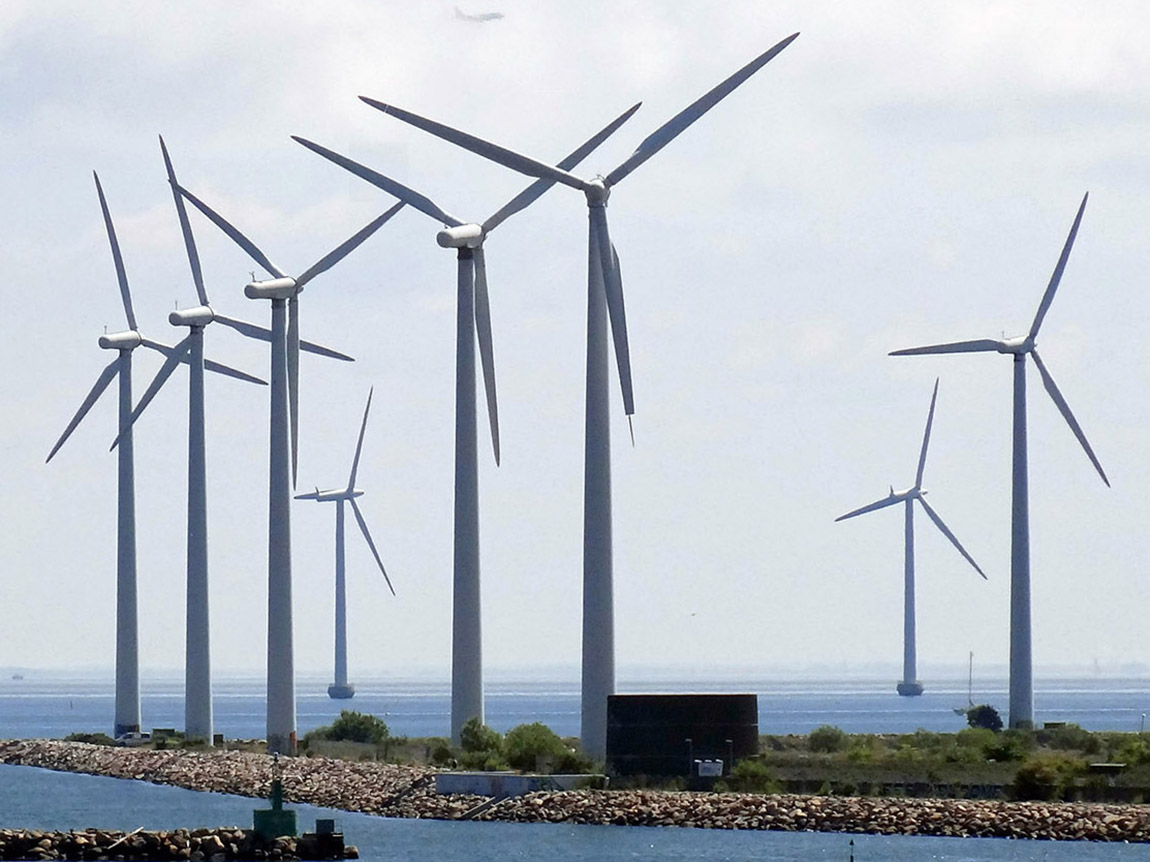 Supply shocks often expose economic vulnerabilities that can later be addressed, making supply chains more diverse and more resilient. They can give a boost to alternative technologies, such as a switch from fossil-fuels to green energy.
After the 2007–9 financial crisis, banking systems were made more robust under the Basel III system. Capital and liquidity requirements were increased and bank leverage was decreased. Many countries, such as the UK, introduced ‘ringfencing’ to separate retail banking from the riskier investment banking. This increased confidence in the banking system.
The COVID-19 pandemic gave a boost to working remotely and the establishment of more flexible work patterns. What was a necessity during lockdowns, was seen as an effective model by many companies. Fully remote or hybrid working became commonplace for many jobs that were previously done in the office. Time has allowed employers to find the best balance of in-office and remote working, with the optimum balance often varying by type of job being performed.
The rising price of oil and gas following the Russian invasion of Ukraine in February 2022, saw many countries that had been reliant on imports from Russia, accelerating their efforts to switch to renewable energy. Supply chains were re-examined and there was a move towards ‘re-shoring’, ‘near-shoring’, or ‘friend-shoring’: that is, obtaining supplies from countries that are nearer and/or more reliable as trading partners.
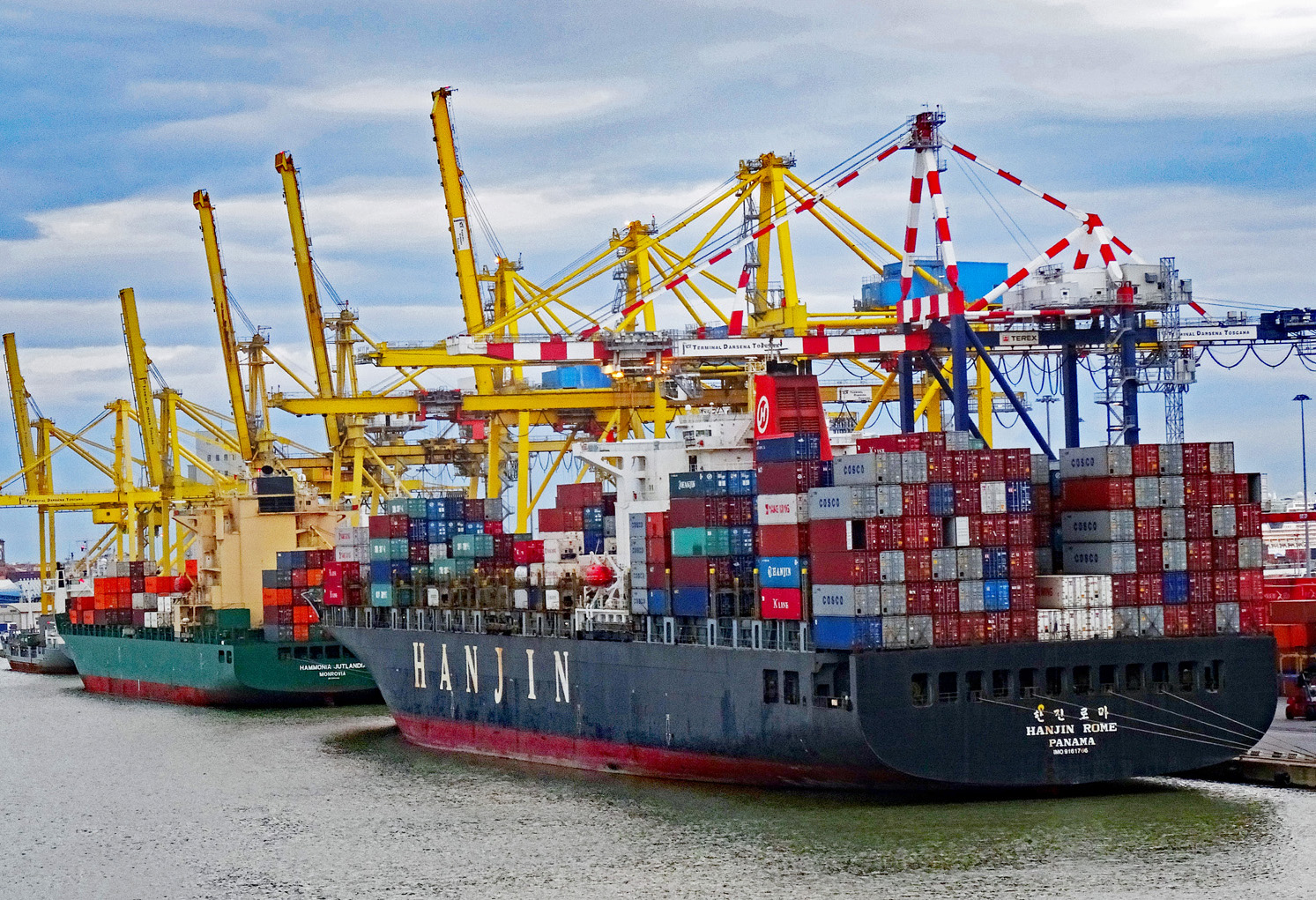 This approach was further boosted by the extensive tariffs imposed by the Trump second administration. One of the responses to the higher tariffs was to seek markets, both for exports and imports, away from the USA. To the extent that there is ‘re-shoring’ (substituting exports and imports for production and consumption within the country), then this amounts to deglobalisation. If this represents a move from low-cost to high-cost production and is contrary to the law of comparative advantage, then there will be a net economic loss. If, however, the reduction in risk of disruption and the boost to domestic industries allows a reduction in costs, there could be a net gain.
The most recent example of the Iran war has led many countries to reconsider sources of supply and to make their supply chains more robust and less risky. Gulf countries are considering expanding their pipeline network to avoid the Strait of Hormuz. For other countries, it is providing a further boost to green energy. Increased investment in the renewable sector will help to bring down costs and make countries less vulnerable to future conflicts involving oil-producing countries or sea passages.
To summarise: if initially adverse supply-side shocks cause a diversification and strengthening of supply chains, a diversification of energy sources, accelerated technological innovation and the adoption of new more efficient techniques, the long-term supply-side effects could be positive. Pain today for gain tomorrow?
But the short run comes before the long run and today’s costs are real and mounting. A shock may stimulate a positive response, but the current shock is persisting, and forecasts are getting more dire by the day. And even when the Iran war is over, there may be more shocks around the corner – ‘unknown unknowns’. As Keynes said: ‘In the long run we’re all dead’.
References
- Pentagon’s estimate for Iran war grows to $29B
Politico, Mark Sweney (12/5/26)
- World Politics The Iran war could cost the American taxpayer $1 trillion, says Harvard academic
CNBC, Joseph Wilkins (14/4/26)
- The Economic Costs of the Iran War
American Enterprise Institute, Roger Pielke Jr. (2/4/26)
Articles
Questions
- What policies have central banks pursued during the Iran war?
- Paint an optimistic scenario for the global economy five years hence.
- Paint a pessimistic scenario for the global economy five years hence.
- Compare the sources of supply of oil and gas for Europe directly prior to the Iran war with those directly prior to the Russian invasion of Ukraine.
- Compare the relative merits of globalisation and deglobalisation. Does this depend on the nature of globalisation and deglobalisation?
Three recent reports (see links below) have suggested that US consumers and businesses pay most of the tariffs imposed by the second Trump administration. The percentage varies from around 86% to 96%. US customs revenue surged by approximately $200 billion in 2025, but this was a tax paid almost entirely by US consumers and businesses. Foreign suppliers largely maintained their (pre-tariff) prices. They took a hit in terms of reduced volumes rather than reduced pre-tariff prices.
The incidence of a tariff between consumers, domestic importers and overseas producers will depend on price elasticities of demand and supply. The following diagram shows a product where the importing country is large enough to have a degree of market power, which will normally be the case with the USA. The greater its buying power, the flatter will be its demand curve, showing that the foreign supplier will have little influence on the price. With no tariff, the equilibrium price paid by importers will be at point a, where demand equals supply. Q1 would be imported at a price of P1.
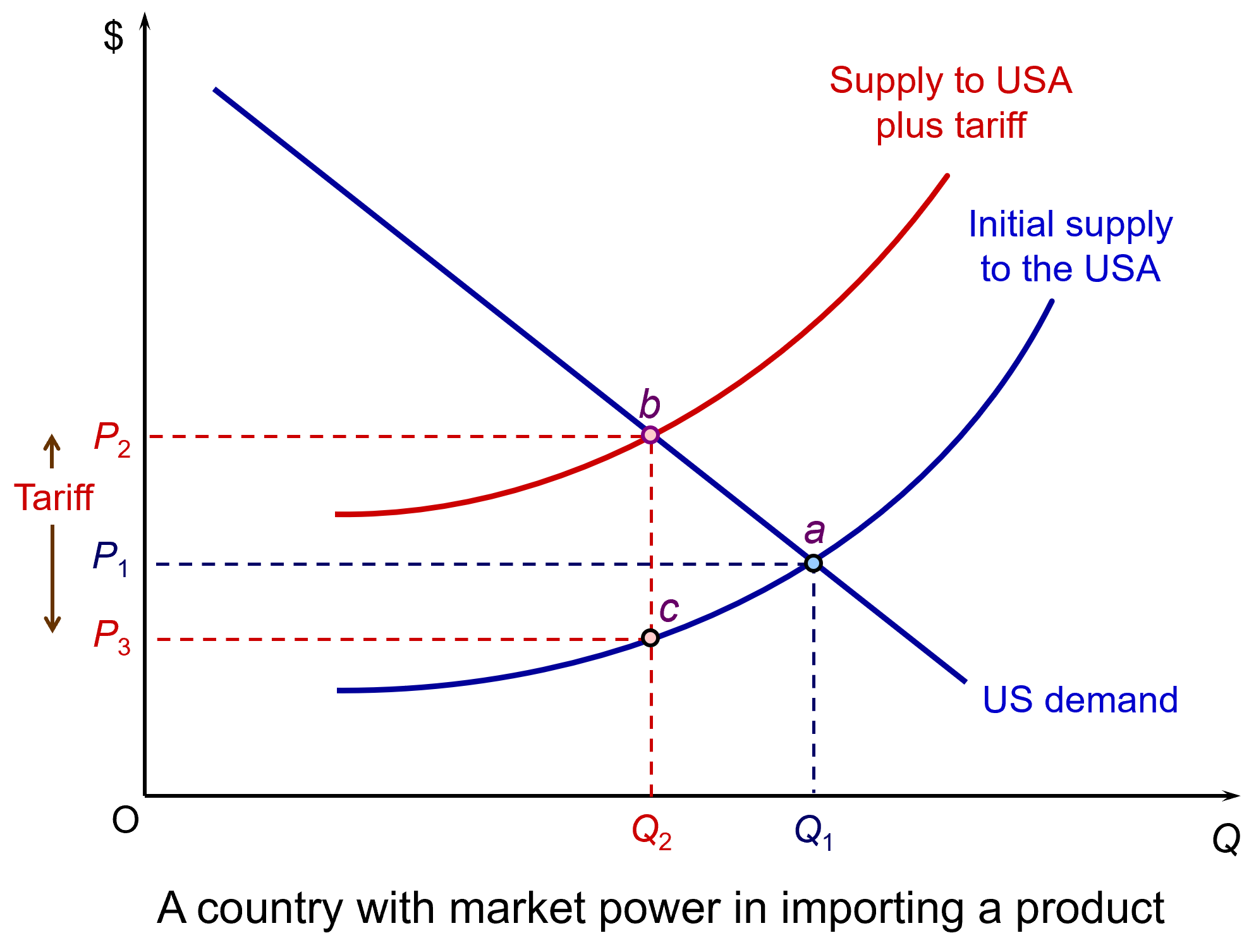 Imposition of a tariff will shift the supply curve upwards by the amount of the tariff. The new equilibrium price paid by importers will be at point b, where the new supply curve crosses the demand curve. Importers thus now pay a post-tariff price of P2: an effective rise in price of P2 minus P1. Foreign exporters receive P3, which is what they are paid by importers after the tariff has been paid.
The consumer price will be above P2 as that includes a mark-up by US businesses on top of the price they pay to import the product. Importers may bear some of the increase in price and not pass the full amount onto consumers, depending on competition and their ability to absorb cost increases.
President Trump argued that there would be very little rise in price from the tariffs and that overseas suppliers would bear the brunt of the tariffs. Indeed, recently he has argued that this must be the case as US inflation has been falling. In response, critics maintain that the rate of inflation would have fallen more without the tariffs and that current prices would be lower than they are. Also, if US importing firms or retailers bear some of the increased cost, even though this helps to dampen the price rise, their lower profits could damage investment and employment.

The Reports
The first report is from the New York Fed (one of the regional branches of the Federal Reserve Bank). It examines the effect of tariffs imposed in 2025, over three periods: (i) January to August, (ii) September to October, and (iii) November. In the first period, 94% of the tariffs were paid by US importers and 6% by foreign exports; in the second period, the figures were 92% and 8% and in the third period, 86% and 14%.
The second report is The Budget and Economic Outlook: 2026 to 2036 from the Congressional Budget Office. Box 2-1 notes that, as of November 2025, ‘the effective tariff rate was about 13 percentage points higher than the roughly 2 percent rate on imports in 2024’. Its analysis suggests that 95% of the tariffs will be borne by importers. Of these higher import prices, 30% will be borne by US businesses, largely through reduced profit margins, and 70% by consumers through higher prices. This will also allow many businesses which produce goods that compete with foreign imports to ‘increase their prices because of the decline in competition from abroad and the increased demand for tariff-free domestic goods’.
The third report is from the Kiel Insitut. In its Policy Brief, Americaʼs Own Goal: Who Pays the Tariffs?, it finds that US importers and consumers bear 96% of the cost of the 2025 tariffs, with foreign exporters absorbing only about 4%. It bases it findings on shipment-level data covering over 25 million transactions valued at nearly $4 trillion. This also shows that exports to the USA declined as foreign exporters preferred to reduce volumes rather than absorbing the tariffs.
The tariffs raised some $200 billion in 2025, around 3.8% of Federal tax receipts. But, as we have seen, this was paid largely by US consumers and business. It goes some way to offsetting the annual cut in tax revenues of around $450 to $520 billion per year from the tax cuts, largely to the better off, in Trump’s ‘One Big Beautiful Bill’.
Reports
Aricles
- NY Fed report says Americans pay for almost all of Trump’s tariffs
Reuters, Michael S. Derby (12/2/25)
- A year in, it’s official: Americans, not foreigners, are paying for Trump’s tariffs
CNN, Allison Morrow (12/2/26)
- Costs from Trump’s tariffs paid mainly by US firms and consumers, NY Fed says
BBC News, Kali Hays (13/2/26)
- Consumers and businesses paid nearly 90% of Trump tariffs in 2025, new analysis found
CBS News, Megan Cerullo (12/2/26)
- New Studies Challenge Who Really Pays for Tariffs
Investopedia, Diccon Hyatt (12/2/26)
- Trump Tariffs: Tracking the Economic Impact of the Trump Trade War
Tax Foundation, Erica York and Alex Durante (6/2/26)
- Who Is Paying the Trump Tariffs?
Paul Krugman (15/2/26)
Questions
- Summarise the findings of the three reports (but just Box 2-1 of the Congressional Budget Office one).
- Assess the argument that protectionism leads to inefficiency in the protected industries.
- Under what circumstances would exporters to the USA absorb a high percentage of tariff increases? Consider questions of elasticity.
- Can tariffs ever be justified on efficiency grounds?
- Can tariffs be justified as a bargaining ploy? Can they be used as a means of achieving freer and fairer trade?
- Read the blog, President Reagan on tariffs and summarise President Reagan’s arguments. Are they still relevant today?
- Consider the arguments for and against the EU raising tariffs on US goods.
The UK signed three trade deals in May – one with the USA, one with India and one with the EU. It is hoped by the government that these trade deals will provide a welcome boost to the UK economy.
The deal with the USA reduced tariffs on UK car exports to the USA from 27.5% to 10%, and on steel and aluminium exports from 25% to 0%. Pharmaceutical exports would also get more favourable treatment and there would be ‘reciprocal market access on beef’ (but with no lowering of food standards). Nevertheless, President Trump’s baseline tariff of 10% on most goods remains, as with other countries. However, a ruling by the US Court of International Trade has found that the Trump’s use of emergency powers to justify the sweeping use of tariffs is wrong. The Trump administration is appealing against the ruling and until the appeal is heard, the tariffs have been reinstated. Also, on May 30, the Trump administration announced that tariffs on steel and aluminium imports would rise from 25% to 50%. It remained to be seen whether this would affect the deal to reduce the rate to zero for British steel and aluminium imports.
The deal with India involves a reduction in tariffs on UK exports – some to zero – and simplified trade rules, faster customs clearance, less paperwork and the freedom for UK businesses to provide telecommunications and construction services. In return, tariffs will be reduced to zero on 99% of Indian exports to the UK. The UK government estimates that deal will result in trade between the two countries increasing by over 30%, with the UK’s GDP expanding by around 0.1 percentage points per year.
UK-EU trade
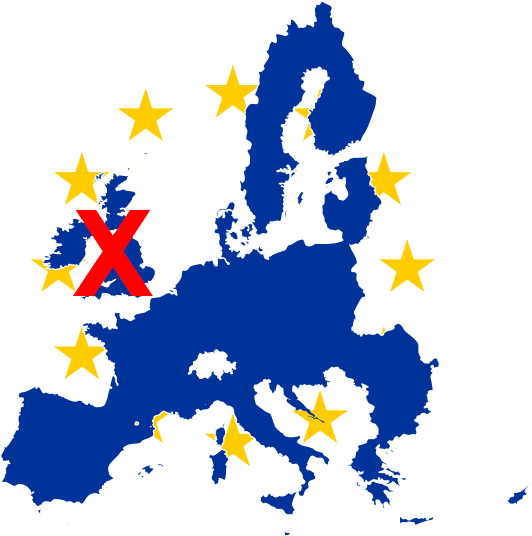 Perhaps the most significant new trade deal, however, is with the EU. This is a major advance on the current post-Brexit Trade and Cooperation Agreement (TCA). Under the TCA, there are no tariffs or quotas on UK goods exports to the EU or EU goods exports to the UK. However, to ensure that it is EU and UK business that benefits from these ‘trade preferences’, firms must show that their products fulfil ‘rules of origin’ requirements.
Under rules of origin requirements, when a good is imported into the UK from outside the EU and then has value added to it by processing, packaging, cleaning, remixing, preserving, refashioning, etc., it can only count as a UK good if sufficient value or weight is added. The proportions vary by product, but generally goods must have approximately 50 per cent UK content (or 80 per cent of the weight of foodstuffs) to qualify for tariff-free access to the EU. As a result, many goods exported to the EU with a proportion of imported components face tariffs.
 Also, the TCA does not include free trade in services. The UK is a major exporter of services, including legal, financial, accounting, IT and engineering. It has a positive trade in services balance with the EU, unlike its negative trade in goods balance. Although some of the barriers which apply to other non-EU countries have been reduced for the UK in the TCA, UK service providers still face barriers which impose costs. For example, some EU countries limit the time that businesspeople providing services can stay in their countries to six months in any twelve. Also, since Brexit, UK artists and musicians have faced restrictions when touring and working in the EU. They can only work up to 90 out of every 180 days. This causes problems for longer tours and for musicians and crew who work in multiple bands or orchestras.
Perhaps the greatest barrier to trade under the TCA has been the large range of non-tariff measures (NTMs), such as customs checks, rules-of-origin and other paperwork, meeting various regulations and standards, and sanitary and phytosanitary checks on foodstuffs, plants and animals. Both the OBR and the Bank of England estimate that these post-Brexit trade restrictions are reducing UK GDP by around 4% and will continue to do so unless trade with the EU becomes freer.
The new UK-EU trade deal
The deal struck in mid-May reduces many of the administrative barriers to trade. Perhaps the most significant are the border checks on food, animal and plant shipments to and from the EU. Many of these checks will be scrapped. The new sanitary and phytosanitary (SPS) agreement allows many UK food products to be exported that previously were banned or proved too administratively costly. To achieve this free movement, the UK will generally follow EU standards, or similar standards so as to avoids harming EU trade. UK food exporters have generally welcomed the deal.
British steel exports to the EU will be protected from new EU rules and tariffs. This should save UK steel some £25m per year. Also, the EU has agreed to recognise UK carbon emissions caps, meaning that UK exports to the EU will avoid around £800m of carbon border taxes.
 The post-Brexit fishing deal between the UK and EU, which saw a reduction of 25% in EU fishing quotas in UK waters, will be extended for another 12 years. Many UK fishers, however, had hoped for scrapping EU access to UK waters. The deal also allows various sea foods, including certain shellfish, to be exported to the EU for the first time since Brexit.
Other elements of the deal include a new security and defence partnership, the use of e-gates for UK travellers to the EU and an agreement to work towards a young person’s mobility scheme, allowing young people from the UK/EU to work and travel freely in the EU/UK again for a period of time.
The elements of the deal concerned with trade represent freer trade, but not totally free trade. The UK is not rejoining the customs union or single market. Nevertheless, strong supporters of Brexit have criticised the deal as a movement towards greater alignment of standards and thus a dilution of UK sovereignty. Supporters of greater alignment, on the other hand, argue that the deal does not go far enough and that even freer trade and less red tape would bring greater benefits to the UK.
Articles
UK-US trade deal
UK-India trade deal
UK-EU trade deal
- UK-EU trade deal: What is in the Brexit reset agreement?
Sky News, Alix Culbertson (19/5/25)
- The key takeaways from Keir Starmer’s Brexit reset deal with EU
Independent, Millie Cooke (20/5/25)
- UK-EU deal unpacked: All the Brexit red tape set for a chop
Politico, Sophie Inge, Jon Stone and Charlie Cooper (19/5/25)
- UK-EU trade deal: Britain to get a £9bn boost to the economy by 2040
MoneyWeek, Katie Williams (19/5/25)
- UK and EU sign new trade, fishing and defence deal – what do economists think?
The Conversation, Maria Garcia, Conor O’Kane, Kamran Mahroof, Mausam Budhathoki and Phil Tomlinson (19/5/25)
- PM secures new agreement with the EU to support British business
The Manufacturer (19/5/25)
Questions
- Outline the main elements of (a) the UK-US trade deal, (b) the UK-India trade deal and (c) the UK-EU trade deal. How much is it claimed that each deal will add to UK GDP?
- What trade barriers remain in each of the three deals?
- What elements are missing from the UK-EU trade deal that campaigners have been pushing for?
- Under what circumstances do free trade deals lead to (a) trade creation; (b) trade diversion?
- Would you expect the UK-EU trade deal on balance to lead to trade creation or trade diversion? Explain why.
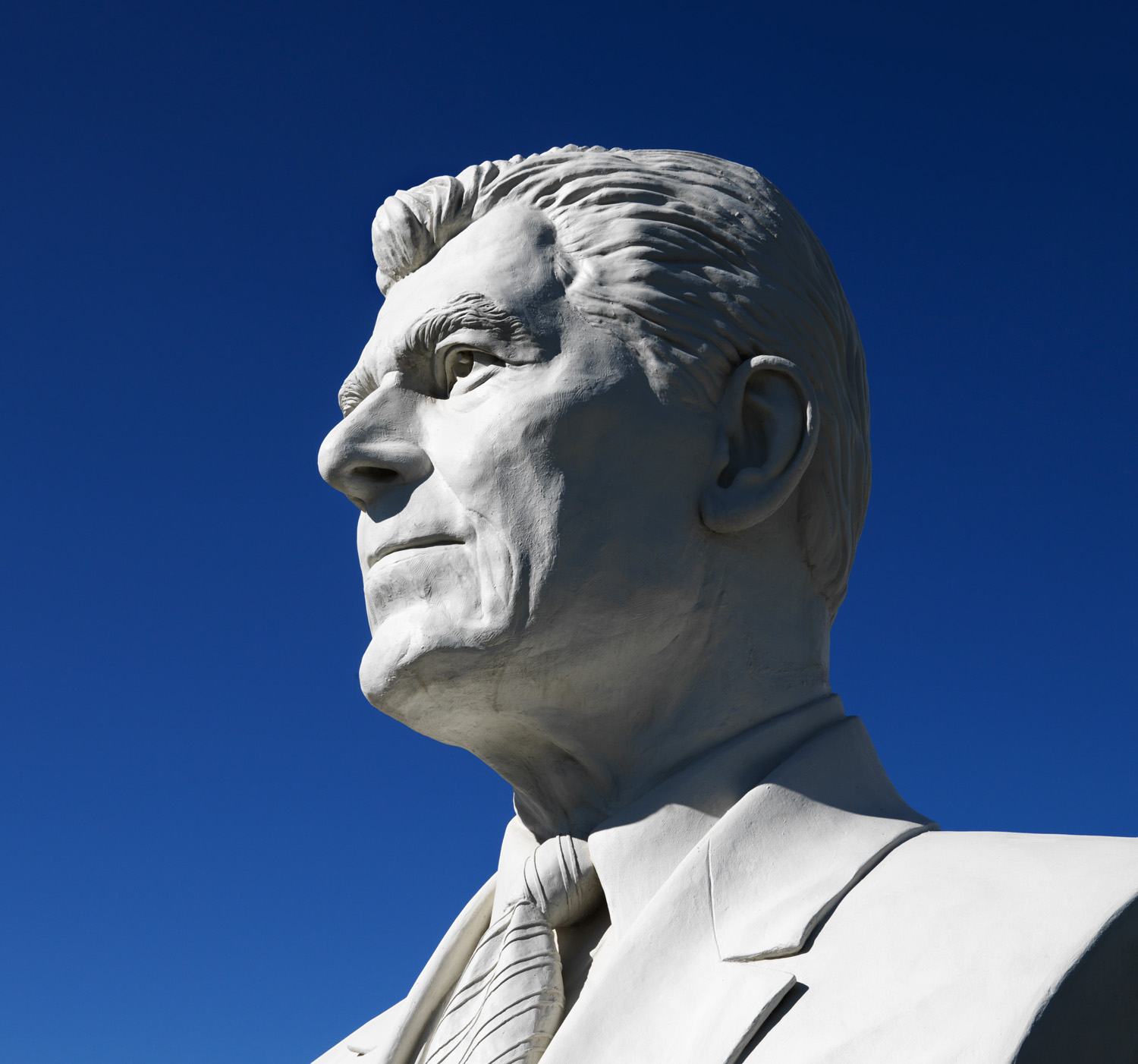 In a 1987 address to the US nation, Republican President Ronald Reagan discussed the question of tariffs. His message was clear.
You see, at first, when someone says, ‘Let’s impose tariffs on foreign imports,’ it looks like they’re doing the patriotic thing by protecting American products and jobs. And sometimes for a short while it works – but only for a short time. What eventually occurs is:
First, homegrown industries start relying on government protection in the form of high tariffs. They stop competing and stop making the innovative management and technological changes they need to succeed in world markets.
And then, while all this is going on, something even worse occurs: high tariffs inevitably lead to retaliation by foreign countries and the triggering of fierce trade wars. The result is more and more tariffs, higher and higher trade barriers, and less and less competition. So, soon, because of the prices made artificially high by tariffs that subsidise inefficiency and poor management, people stop buying.
Then the worst happens: markets shrink and collapse; businesses and industries shut down; and millions of people lose their jobs.
The memory of all this occurring back in the thirties made me determined when I came to Washington to spare the American people the protectionist legislation that destroys prosperity.
Now, it hasn’t always been easy. There are those in this Congress, just as there were back in the ’30s, who want to go for the quick political advantage, who will risk America’s prosperity for the sake of a short-term appeal to some special interest group, who forget that more than five million American jobs are directly tied to the foreign export business and additional millions are tied to imports.
For those of us who lived through the Great Depression, the memory of the suffering it caused is deep and searing. And today, many economic analysts and historians argue that high tariff legislation, passed back in that period called the Smoot-Hawley Tariff, greatly deepened the Depression and prevented economic recovery.
 He returned to the topic of tariffs in November 1988, when he reflected on the benefits of free and fair trade and the dangers of protectionism.
Here in America, as we reflect on the many things we have to be grateful for, we should take a moment to recognize that one of the key factors behind our nation’s great prosperity is the open trade policy that allows the American people to freely exchange goods and services with free people around the world. The freedom to trade is not a new issue for America.
In 1776 our Founding Fathers signed the Declaration of Independence, charging the British with a number of offenses, among them, and I quote, ‘cutting off our trade with all parts of the world’.
And that same year, a Scottish economist named Adam Smith launched another revolution with a book entitled ‘The Wealth of Nations’, which exposed for all time the folly of protectionism. Over the past 200 years, not only has the argument against tariffs and trade barriers won nearly universal agreement among economists but it has also proven itself in the real world, where we have seen free-trading nations prosper while protectionist countries fall behind.
America’s most recent experiment with protectionism was a disaster for the working men and women of this country. When Congress passed the Smoot-Hawley tariff in 1930, we were told that it would protect America from foreign competition and save jobs in this country – the same line we hear today. The actual result was the Great Depression, the worst economic catastrophe in our history; one out of four Americans were thrown out of work. Two years later, when I cast my first ballot for President, I voted for Franklin Delano Roosevelt, who opposed protectionism and called for the repeal of that disastrous tariff.
Ever since that time, the American people have stayed true to our heritage by rejecting the siren song of protectionism. In recent years, the trade deficit led some misguided politicians to call for protectionism, warning that otherwise we would lose jobs. But they were wrong again. In fact, the United States not only didn’t lose jobs, we created more jobs than all the countries of Western Europe, Canada, and Japan combined. The record is clear that when America’s total trade has increased, American jobs have also increased. And when our total trade has declined, so have the number of jobs.
Part of the difficulty in accepting the good news about trade is in our words. We too often talk about trade while using the vocabulary of war. In war, for one side to win, the other must lose. But commerce is not warfare. Trade is an economic alliance that benefits both countries. There are no losers, only winners. And trade helps strengthen the free world.
Yet today protectionism is being used by some American politicians as a cheap form of nationalism, a fig leaf for those unwilling to maintain America’s military strength and who lack the resolve to stand up to real enemies – countries that would use violence against us or our allies. Our peaceful trading partners are not our enemies; they are our allies.
We should beware of the demagogs who are ready to declare a trade war against our friends – weakening our economy, our national security, and the entire free world – all while cynically waving the American flag. The expansion of the international economy is not a foreign invasion; it is an American triumph, one we worked hard to achieve, and something central to our vision of a peaceful and prosperous world of freedom.
After the Second World War, America led the way to dismantle trade barriers and create a world trading system that set the stage for decades of unparalleled economic growth. And in one week, when important multilateral trade talks are held in Montreal, we will be in the forefront of efforts to improve this system. We want to open more markets for our products, to see to it that all nations play by the rules, and to seek improvement in such areas as dispute resolution and agriculture. We also want to bring the benefits of free trade to new areas, including services, investment, and the protection of intellectual property. Our negotiators will be working hard for all of us.
Yes, back in 1776, our Founding Fathers believed that free trade was worth fighting for. And we can celebrate their victory because today trade is at the core of the alliance that secure the peace and guarantee our freedom; it is the source of our prosperity and the path to an even brighter future for America.
The questions below address whether these radio addresses by President Reagan are relevant in today’s context of the imposition of tariffs by President Trump.
Videos of Radio Addresses
Articles and postings
Questions
- Summarise Ronald Reagan’s arguments.
- How would Donald Trump reply to these arguments?
- Can tariffs ever be justified on efficiency grounds?
- Can tariffs be justified as a bargaining ploy? Can they be used as a means of achieving freer and fairer trade?
- Find out why the Smoot-Hawley Tariff Act was introduced in 1930 and what were its consequences.
- How does the World Trade Organization seek to promote freer and fairer trade? How does it resolve trade disputes?
 In an interview with Joe Rogan for his podcast, The Joe Rogan Experience, just before the US election, Donald Trump stated that, “To me, the most beautiful word – and I’ve said this for the last couple of weeks – in the dictionary today and any is the word ‘tariff’. It’s more beautiful than love; it’s more beautiful than anything. It’s the most beautiful word. This country can become rich with the use, the proper use of tariffs.”
President-elect Trump has stated that he will impose tariffs on imports of 10% or 20%, with 60% and 100% tariffs on imports from China and Mexico, respectively. This protection for US industries, combined with lighter regulation, will, he claims, provide a stimulus to the economy and help create jobs. The revenues will also help to reduce America’s budget deficit.
But it is not that straightforward.
Problems with tariffs for the USA
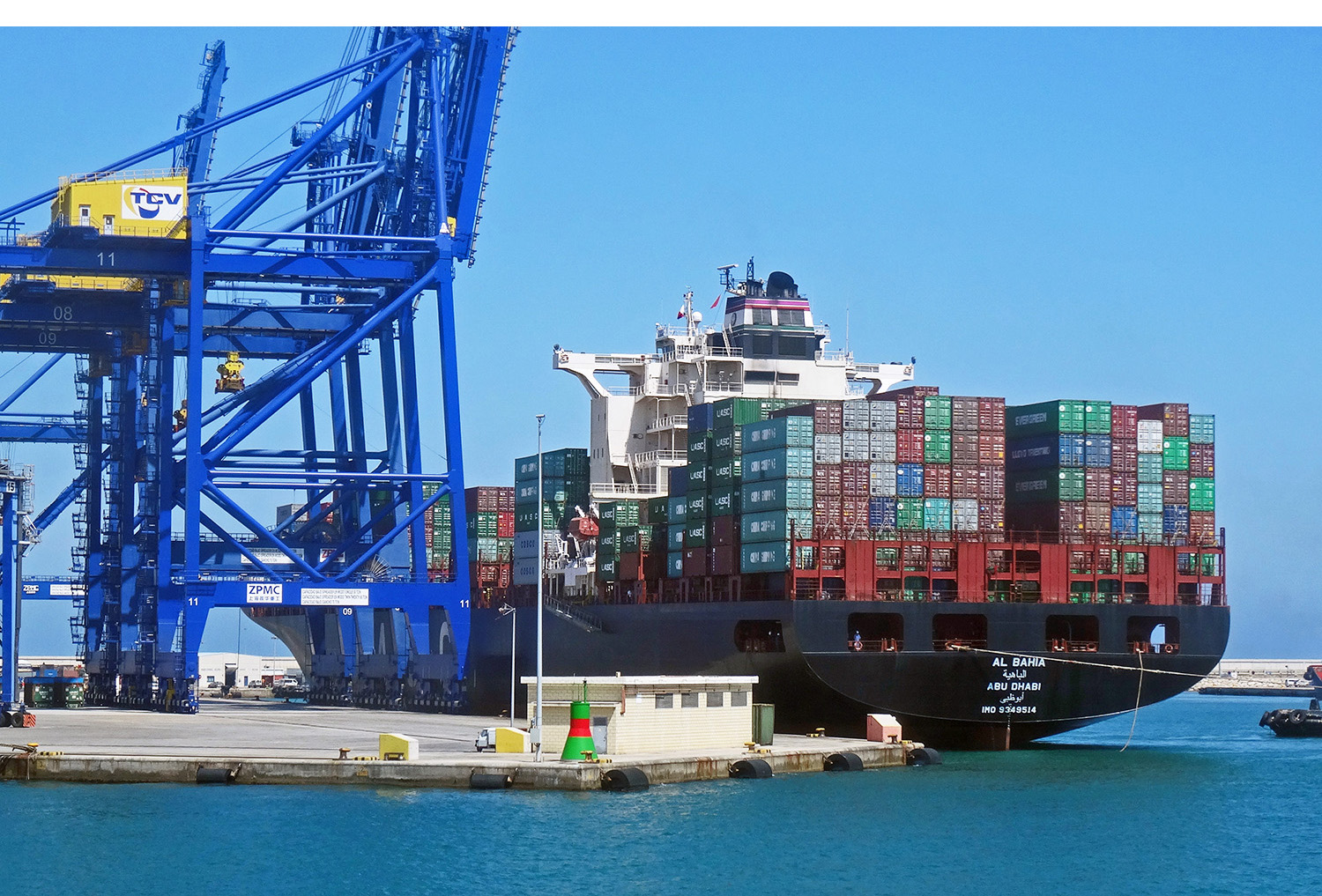
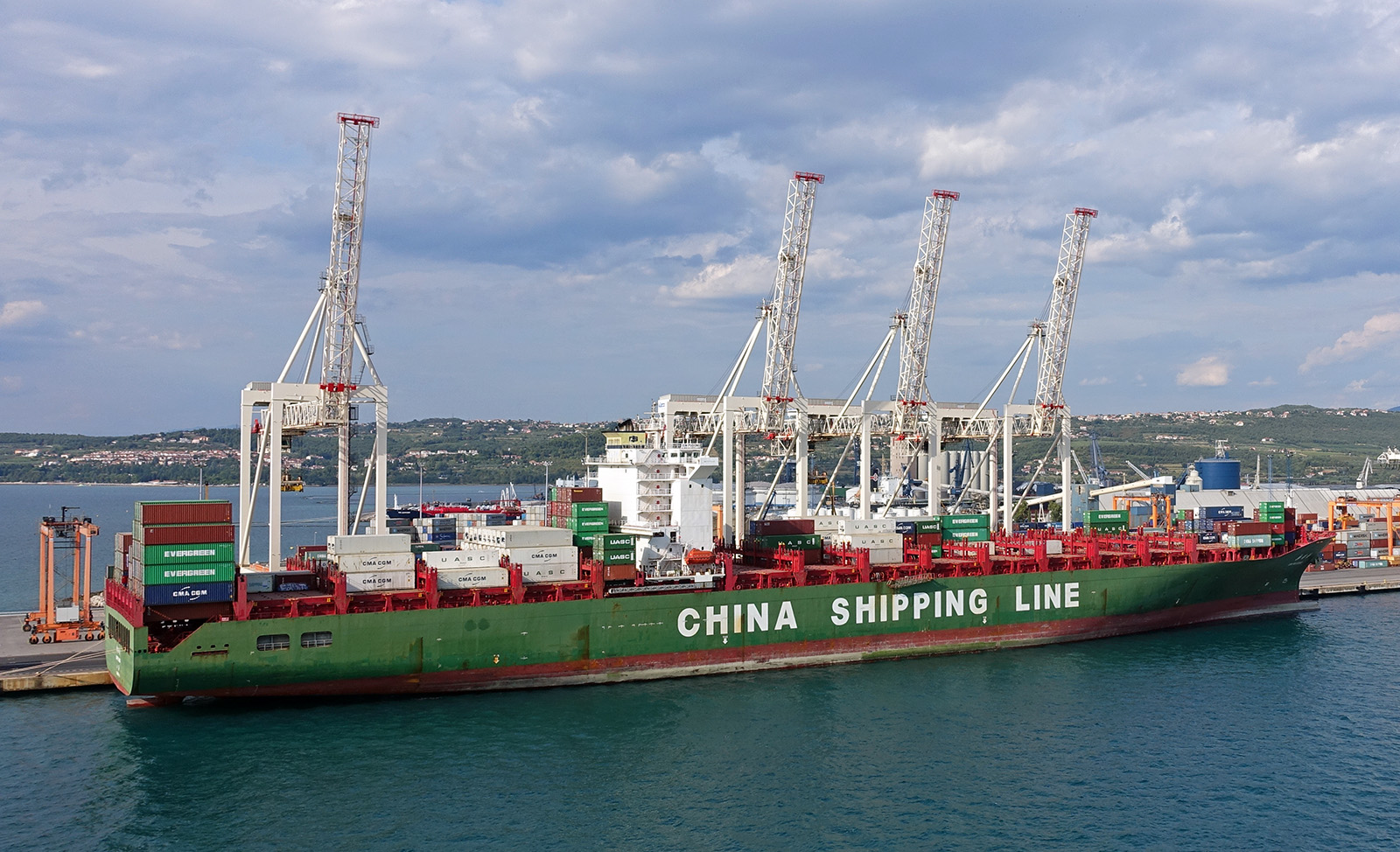 Imposing tariffs is likely to reduce international trade. But international trade brings net benefits, which are distributed between the participants according to the terms of trade. This is the law of comparative advantage.
In the simple two-country case, the law states that, provided the opportunity costs of producing various goods differ between the two countries, both of them can gain from mutual trade if they specialise in producing (and exporting) those goods that have relatively low opportunity costs compared with the other country. The total production and consumption of the two countries will be higher.
So if the USA has a comparative advantage in various manufactured products and a trading partner has a comparative advantage in tropical food products, such as coffee or bananas, both can gain by specialisation and trade.
If tariffs are imposed and trade is thereby reduced between the USA and its trading partners, there will be a net loss, as production will switch from lower-cost production to higher-cost production. The higher costs of less efficient production in the USA will lead to higher prices for those goods than if they were imported.
At the same time, goods that are still imported will be more expensive as the price will include the tariff. Some of this may be borne by the importer, meaning that only part of the tariff is passed on to the consumer. The incidence of the tariff between consumer and importer will depend on price elasticities of demand and supply. Nevertheless, imports will still be more expensive, allowing the domestically-produced substitutes to rise in price too, albeit probably by not so much. According to work by Kimberly Clausing and Mary E Lovely for the Peterson Institute (see link in Articles below), Trump’s proposals to raise tariffs would cost the typical American household over $2600 a year.
The net effect will be a rise in inflation – at least temporarily. Yet one of Donald Trump’s pledges is to reduce inflation. Higher inflation will, in turn, encourage the Fed to raise interest rates, which will dampen investment and economic growth.
Donald Trump tends to behave transactionally rather than ideologically. He is probably hoping that a rapid introduction of tariffs will then give the USA a strong bargaining position with foreign countries to trade more fairly. He is also hoping that protecting US industries by the use of tariffs, especially when coupled with deregulation, will encourage greater investment and thereby faster growth.
Much will depend on how other countries respond. If they respond by raising tariffs on US exports, any gain to industries from protection from imports will be offset by a loss to exporters.
A trade war, with higher tariffs, will lead to a net loss in global GDP. It is a negative sum game. In such a ‘game’, it is possible for one ‘player’ (country) to gain, but the loss to the other players (countries) will be greater than that gain.
 Donald Trump is hoping that by ‘winning’ such a game, the USA could still come out better off. But the gain from higher investment, output and employment in the protected industries would have to outweigh the losses to exporting industries and from higher import prices.
The first Trump administration (2017–21), as part of its ‘America First’ programme, imposed large-scale tariffs on Chinese imports and on steel and aluminium from across the world. There was wide-scale retaliation by other countries with tariffs imposed on a range of US exports. There was a net loss to world income, including US GDP.
Problems with US tariffs for the rest of the world
The imposition of tariffs by the USA will have considerable effects on other countries. The higher the tariffs and the more that countries rely on exports to the USA, the bigger will the effect be. China and Mexico are likely to be the biggest losers as they face the highest tariffs and the USA is a major customer. In 2023, US imports from China were worth $427bn, while US exports to China were worth just $148bn – only 34.6% of the value of imports. The percentage is estimated to be even lower for 2024 at around 32%. In 2023, China’s exports to the USA accounted for 12.6% of its total exports; Mexico’s exports to the USA accounted for 82.7% of its total exports.
It is possible that higher tariffs could be extended beyond China to other Asian countries, such as Vietnam, South Korea, Taiwan, India and Indonesia. These countries typically run trade surpluses with the USA. Also, many of the products from these countries include Chinese components.
As far as the UK is concerned, the proposed tariffs would cause significant falls in trade. According to research by Nicolò Tamberi at the University of Sussex (see link below in Articles):
The UK’s exports to the world could fall by £22 billion (–2.6%) and imports by £1.4 (–0.16%), with significant variations across sectors. Some sectors, like fishing and petroleum, are particularly hard-hit due to their high sensitivity to tariff changes, while others, such as textiles, benefit from trade diversion as the US shifts demand away from China.
Other badly affected sectors would include mining, pharmaceuticals, finance and insurance, and business services. The overall effect, according to the research, would be to reduce UK output by just under 1%.
Countries are likely to respond to US tariffs by imposing their own tariffs on US imports. World Trade Organization rules permit the use of retaliatory tariffs equivalent to those imposed by the USA. The more aggressive the resulting trade war, the bigger would be the fall in world trade and GDP.
The EU is planning to negotiate with Trump to avoid a trade war, but officials are preparing the details of retaliatory measures should the future Trump administration impose the threatened tariffs. The EU response is likely to be strong.
Articles
 The Most Beautiful Word In The Dictionary: Tariffs
YouTube, Joe Rogan and Donald Trump
- The exact thing that helped Trump win could become a big problem for his presidency
CNN, Matt Egan (7/11/24)
- Trump’s New Trade War With China Is Coming
Newsweek, Micah McCartney (9/11/24)
- Trump tariff threat looms large on several Asian countries – not just China – says Goldman Sachs
CNBC, Lee Ying Shan (11/11/24)
- Trump’s bigger tariff proposals would cost the typical American household over $2,600 a year
Peterson Institute for International Economics, Kimberly Clausing and Mary E Lovely (21/8/24)
- More tariffs, less red tape: what Trump will mean for key global industries
The Guardian, Jasper Jolly, Dan Milmo, Jillian Ambrose and Jack Simpson (7/11/24)
- Trump tariffs would halve UK growth and push up prices, says thinktank
The Guardian, Larry Elliott (6/11/24)
- China is trying to fix its economy – Trump could derail those plans
BBC News, João da Silva (8/11/24)
- Trump tariffs could cost UK £22bn of exports
BBC News, Faisal Islam & Tom Espiner (8/11/24)
- Trump to target EU over UK in trade war as he wants to see ‘successful Brexit’, former staffer claims
Independent, Millie Cooke (11/11/24)
- EU’s trade war nightmare gets real as Trump triumphs
Politico, Camille Gijs (6/11/24)
- Will Trump impose his tariffs? They could reduce the UK’s exports by £22 billion.
Centre for Inclusive Trade Policy, University of Sussex, Nicolò Tamberi (8/11/24)
- Three possible futures for the global economy if Trump brings in new trade tariffs
The Conversation, Agelos Delis and Sami Bensassi (17/12/24)
Questions
- Explain why, according to the law of comparative advantage, all countries can gain from trade.
- In what ways may the imposition of tariffs benefit particular sections of an economy?
- Is it in countries’ interests to retaliate if the USA imposes tariffs on their exports to the USA?
- Why is a trade war a ‘negative sum game’?
- Should the UK align with the EU in resisting President-elect Trump’s trade policy or should it seek independently to make a free-trade deal with the USA? is it possible to do both?
- What should China do in response to US threats to impose tariffs of 60% or more on Chinese imports to the USA?