 In this post we focus on three aspects of poverty around the world. The first is the definition of poverty. Is it an absolute or a relative concept? Does its definition change as the world develops. The second is the extent of poverty. Is the problem getting worse as inequality deepens, or are the numbers (absolutely or proportionately) getting smaller despite increased inequality? The third is policy to tackle the problem. What can be done and is being done? What answers are being given by policymakers in different parts of the world?
As far as the measurement of poverty is concerned, the simplest distinction is between absolute and relative poverty. Absolute poverty could be measured as income below a certain real level deemed necessary to achieve a particular standard of living. This could be specified in terms of sufficient income to have adequate food, shelter, clothing and leisure time, and adequate access to healthcare, clean water, sanitation, education, etc. An obvious problem here is what is considered ‘adequate’, as this is partly culturally determined and will also depend on physical and geographical features, such as climate.
The World Bank defines extreme absolute poverty as living on under $1.90 per day in purchasing-power parity terms. However, even after adjusting for purchasing power, what is considered the poverty threshold differs enormously from country to country. As the Wikipedia entry states:
Each nation has its own threshold for absolute poverty line; in the United States, for example, the absolute poverty line was US$15.15 per day in 2010 (US$22,000 per year for a family of four), while in India it was US$1.0 per day and in China the absolute poverty line was US$0.55 per day, each on PPP basis in 2010.
Relative poverty is normally taken to mean when a person’s income falls below a certain percentage of the mean or median. Thus in richer countries, for a given percentage, the poverty threshold would be at a higher absolute income.  In the EU, people in relative poverty are defined as those with disposable income (after monetary benefits) less than 60% of the median.
Both approaches focus on consumption. Other approaches include social and cultural exclusion as dimensions of poverty.
What is clear is that poverty has a number of definitions. One problem with this is that politicians can focus on whatever definition suits them. Thus in the UK, with relatively high levels of employment, but often at low wages and only part-time employment, the Conservative government has redefined poverty as where no-one in a family is in work. Yet many working families have very low levels of income, considerably below 60% of the median.
The second aspect of poverty is its extent and whether it is growing. According to the United Nations, globally ‘extreme poverty rates have been cut by more than half since 1990. While this is a remarkable achievement, one in five people in developing regions still live on less than $1.25 a day, and there are millions more who make little more than this daily amount, plus many people risk slipping back into poverty.’
 Despite this progress, in many countries extreme poverty is increasing. And in others, although the number in extreme poverty may be declining, it is still high and inequality is increasing so that more people are living only just above the extreme poverty line. The articles look at dimensions of poverty in different countries.
For example, the first The Conversation article argues that the financial crisis of 2008–09 led to a substantial increase in poverty across the European continent.
The impoverishment of Greece, Italy, Cyprus, Spain and Portugal has been so severe that these southern European countries, taken together, had higher levels of poverty and deprivation than many of the former Communist nations that joined the European Union in 2004.
The third aspect is how to tackle the problem of poverty. There are three broad policy approaches.
The first is the use of cash transfers, such as unemployment benefits. The second is providing free or subsidised goods and services, such as healthcare or education. The ability of a country to support the poor in either of these ways depends on its tax base. Also, clearly, it depends on its priorities. There is also the issue of incentives. Do benefits encourage or discourage the recipients from seeking work? This depends on the design of the system. For example, if childcare is subsidised, this may both aid poor parents and also encourage parents responsible for looking after young children to seek work.
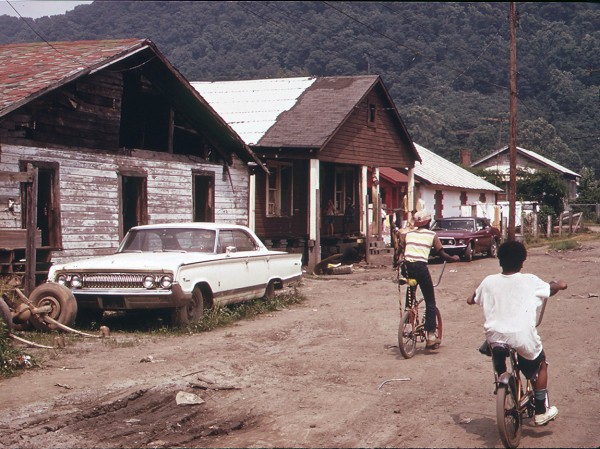 The third is to attempt to improve the earning power of the poor. This may in part be by the second approach of improving education, training and health. But it may also involve removing restrictions to employment, say by making various forms of discrimination illegal. It may also involve increasing land rights. In many developing countries land is very unequally distributed; redistribution to the poor can make a substantial contribution to relieving poverty. Another approach is to encourage agencies which supply microfinance for poor people wishing to set up their own small business.
The articles below look at a number of dimensions of poverty: its measurement, its extent and its alleviation. They look at the problem from the perspective of different countries. It is interesting to see to what extent the problems and solutions they identify are country-specific or general.
Articles
Extreme poverty affects 1 in 8 globally Buenos Aires Herald (20/7/16)
How poverty has radically shifted across Europe in the last decade The Conversation, Rod Hick (20/7/16)
The economics of poverty The Tribune of India, S Subramanian (22/7/16)
Poverty Chains and Global Capitalism. Towards a Global Process of Impoverishment Global Research (Canada), Benjamin Selwyn (20/7/16)
Asia’s cost of prosperity The Nation, Karl Wilson (24/7/16)
Private rental sector is the ‘new home of poverty’ in the UK The Guardian, Brian Robson (20/7/16)
Challenges in maintaining progress against global poverty Vox, Martin Ravallion (23/12/15)
California, sixth largest economy in the world, has highest poverty rate in US wsws.org, Marc Wells (22/7/16)
How gross inequality and crushed hopes have fed the rise of Donald Trump The Conversation, Nick Fischer (21/7/16)
Information
Sustainable Development Goals – Goal 1: End poverty in all its forms everywhere United Nations
Children of the Recession: Innocenti Report Card 12 UNICEF, Gonzalo Fanjul (September 2014)
Listings on Poverty Joseph Rowntree Foundation
Poverty The World Bank
Hunger and World Poverty Poverty.com
Questions
- Distinguish between absolute and relative poverty. Give examples of specific measures of each and the extent to which they capture the complex nature of the problem.
- Discuss the appropriateness of the seven measures of poverty used in the first The Conversation article.
- How did the financial crisis affect the proportion of people living in poverty? Explain.
- What is the relationship between poverty and inequality? Does a more unequal society imply that there will be a greater proportion of people living in poverty?
- How has international poverty changed in recent years? What explanations can you give?
- What are the advantages and disadvantages of using income per head as a measure of poverty, whether absolute or relative?
- Why is poverty so high in (a) the USA as a whole; (b) California specifically?
- How does globalisation affect poverty?
- Are adverse environmental consequences an inevitable result of reducing poverty in developing countries?
- Is freer trade likely to increase or decrease poverty? Explain
 In the following article, Joseph Stiglitz argues that power rather than competition is a better starting point for analysing the working of capitalism. People’s rewards depend less on their marginal product than on their power over labour or capital (or lack of it).
As inequality has widened and concerns about it have grown, the competitive school, viewing individual returns in terms of marginal product, has become increasingly unable to explain how the economy works.
Thus the huge bonuses, often of millions of pounds per year, paid to many CEOs and other senior executives, are more a reflection of their power to set their bonuses, rather than of their contribution to their firms’ profitability. And these excessive rewards are not competed away.
Stiglitz examines how changes in technology and economic structure have led to the increase in power. Firms are more able to erect barriers to entry; network economies give advantages to incumbents; many firms, such as banks, are able to lobby governments to protect their market position; and many governments allow powerful vested interests to remain unchecked in the mistaken belief that market forces will provide the brakes on the accumulation and abuse of power. Monopoly profits persist and there is too little competition to erode them. Inequality deepens.
According to Stiglitz, the rationale for laissez-faire disappears if markets are based on entrenched power and exploitation.
Article
Monopoly’s New Era Chazen Global Insights, Columbia Business School, Joseph Stiglitz (13/5/16)
Questions
- What are the barriers to entry that allow rewards for senior executives to grow more rapidly than median wages?
- What part have changes in technology played in the increase in inequality?
- How are the rewards to senior executives determined?
- Provide a critique of Stiglitz’ analysis from the perspective of a proponent of laissez-faire.
- If Stiglitz analysis is correct, what policy implications follow from it?
- How might markets which are currently dominated by big business be made more competitive?
- T0 what extent have the developments outlined by Stiglitz been helped or hindered by globalisation?
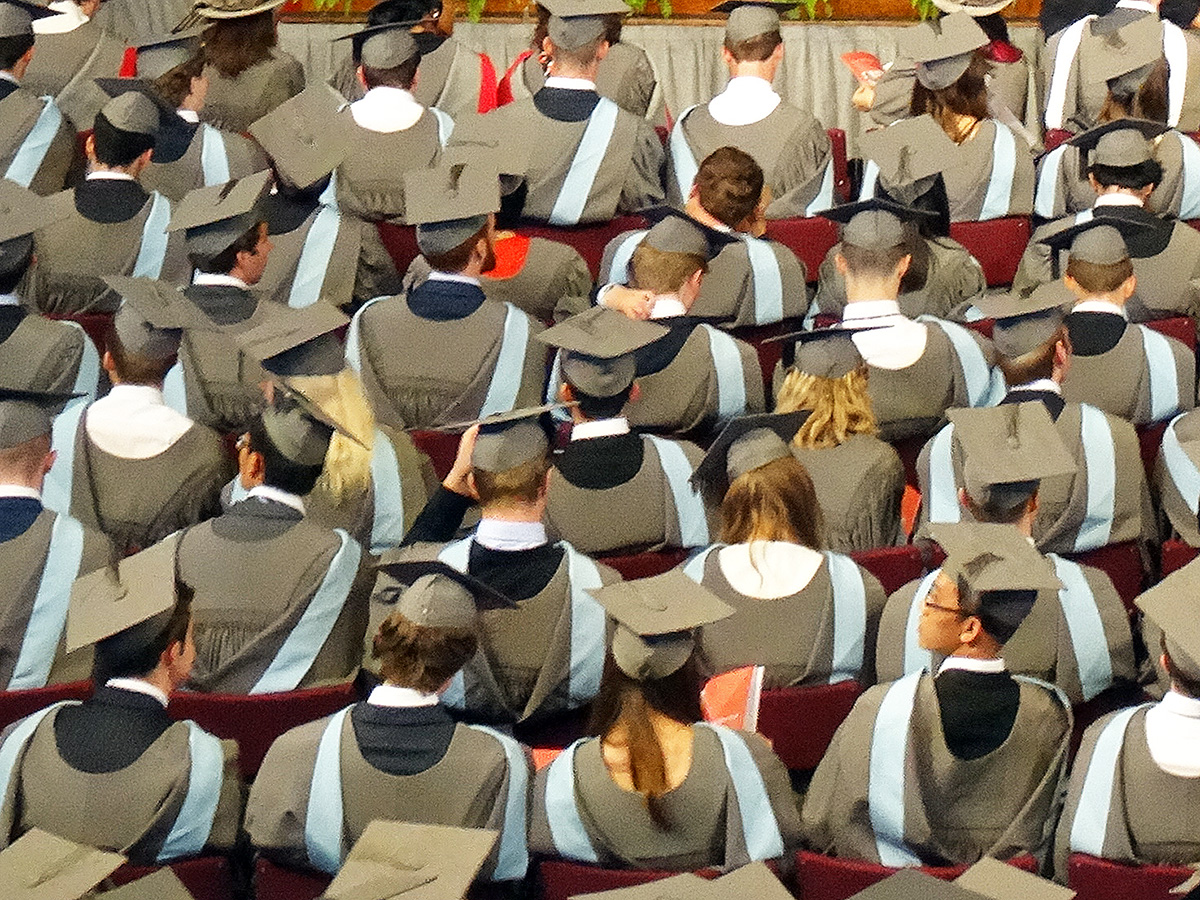
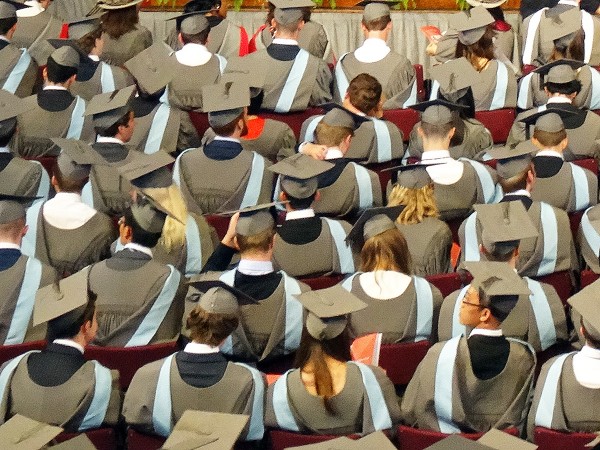 Research published by the Institute for Fiscal Studies shows that graduates from wealthier family backgrounds earn significantly more than those from poorer backgrounds. If you compare the 20% of graduates from the richest backgrounds with the remaining 80%, the average earnings gap in 2012/13, 10 years after graduation, was £8000 per year for men and £5300 for women. Even when you take graduates in similar degrees from similar universities, there is still a gap of around 10% between those from richer and those from poorer backgrounds.
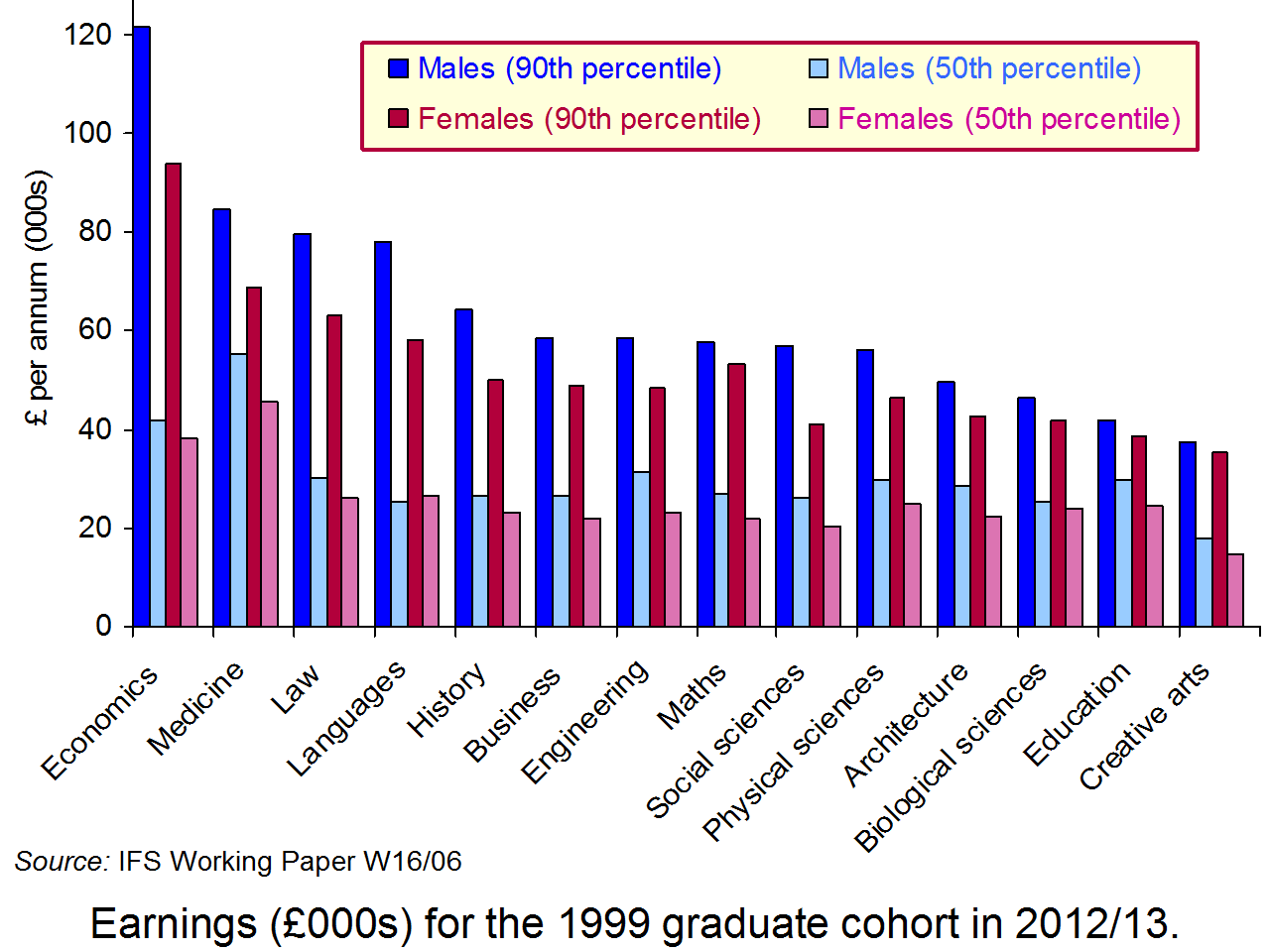 The research also shows that in 2012/13, 10 years after graduation, the median earnings for economics graduates was the second highest of any subject (just behind graduates in medicine) and that at the 90th percentile economics graduates had the highest earnings (£93 900 for women and £121 400 for men) of any subject. In fact, graduates in economics were the only males at this percentile earning over £100 000. (Click here for a PowerPoint of the chart.) As the Press Release to the IFS working paper states:
For males, it is estimated that approximately 12% of economics graduates earned above £100 000 some ten years after graduation; by contrast, 6% of those studying medicine or law earned more than £100 000.
For females, it is estimated that approximately 9% of economics graduates earned above £100 000 some ten years after graduation; by contrast, just 1% of those studying medicine and 3% of those studying law did so.
For some subjects, graduates earned little more than non-graduates.
Those studying the creative arts had the lowest earnings, and indeed earned no more on average than non-graduates.
The research also shows that earnings vary substantially by gender and university. For those earning £8000 or more, the median earnings for male graduates 10 years after graduation was £30 000 (compared with £21 000 for non-graduates), whereas for women it was £27 000 (compared with £18 000 for non-graduates).
Earnings are substantially higher for graduates from some universities, such as Oxford, Cambridge and the LSE. “At the other end of the spectrum, there were some institutions (23 for men and 9 for women) where the median graduate earnings were less than those of the median non-graduate ten years on.” Differences in graduate earnings by university tend to compound the difference by students’ family background as those from poorer backgrounds disproportionately attend universities with lower average graduate earnings by discipline.
The following articles consider the findings and their implications for higher education policy
Articles
Graduates from wealthy backgrounds reap earnings benefits Times Higher Education, John Morgan (13/4/16)
Graduate Earnings Guided By Parents’ Wealth, Institute For Fiscal Studies Report Finds Huffington Post, George Bowden (13/4/16)
Graduates from poorer backgrounds earn less than richer peers on same course, major international study finds Independent. Oliver Wright (13/4/16)
Richer students have higher graduate income, study finds The Guardian (13/4/16)
Want a Higher Salary? It Helps If You’re a Man With Rich Parents Bloomberg, Robert Hutton (13/4/16)
Economics graduates are in the money Why Study Economics? Economics in Action blog (15/4/16)
IFS paper
What and where you study matter for graduate earnings – but so does parents’ income IFS Press Release (13/4/16)
How English domiciled graduate earnings vary with gender, institution attended, subject and socio-economic background IFS Working Paper W16/06, Jack Britton, Lorraine Dearden, Neil Shephard and Anna Vignoles (13/4/16)
Data
Free Online Statistics – Students & qualifiers Higher Education Statistics Agency (HESA)
Applications and acceptances for types of higher education course – 2015 UCAS
What do graduates do? Higher Education Careers Services Unit
Questions
- For what reasons are graduates from rich backgrounds likely to earn substantially more than graduates from poor backgrounds?
- Why are graduates in economics likely to earn more than graduates in other subjects, especially those in the top percentile of earners from any given subject?
- How might marginal productivity help to explain the differences in earnings of different graduates?
- What are meant by ‘soft skills’. Why may students from richer backgrounds have better soft skills in the context of (a) university admission and (b) getting a job on graduation?
- Why are female graduates likely to earn less than male graduates with the same class of degree in the same subject?
- What could be done by (a) universities and (b) the government to increase social mobility?
- Do you think that the findings of the research have implications for the way students’ study is funded? Explain.
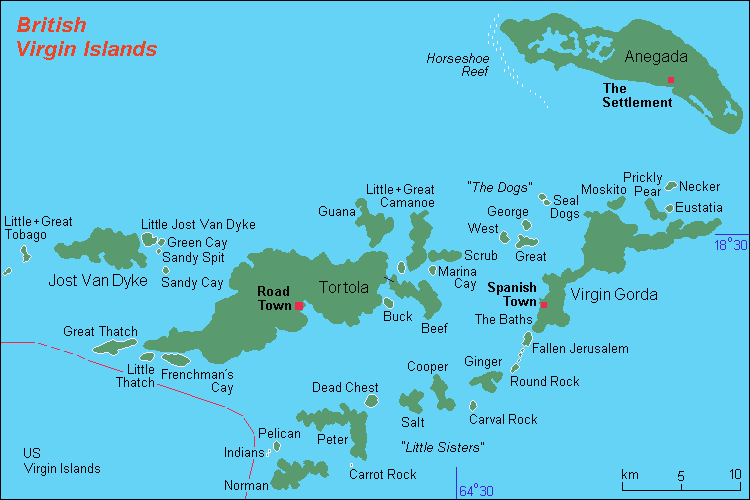 Tax avoidance has been in the news since the publication of the Panama papers, which show the use of offshore tax havens by rich individuals and companies, partly for tax avoidance, partly for money laundering and other criminal activities – some by corrupt politicians and their associates – and partly to take advantage of lower regulation of financial dealing.
There are many tax havens around the world, including Switzerland, Hong Kong, British overseas territories (such as the British Virgin Islands, the Cayman Islands and Bermuda), Jersey, Singapore and certain US states  (such as Arizona, Delaware, Nevada and Wyoming).
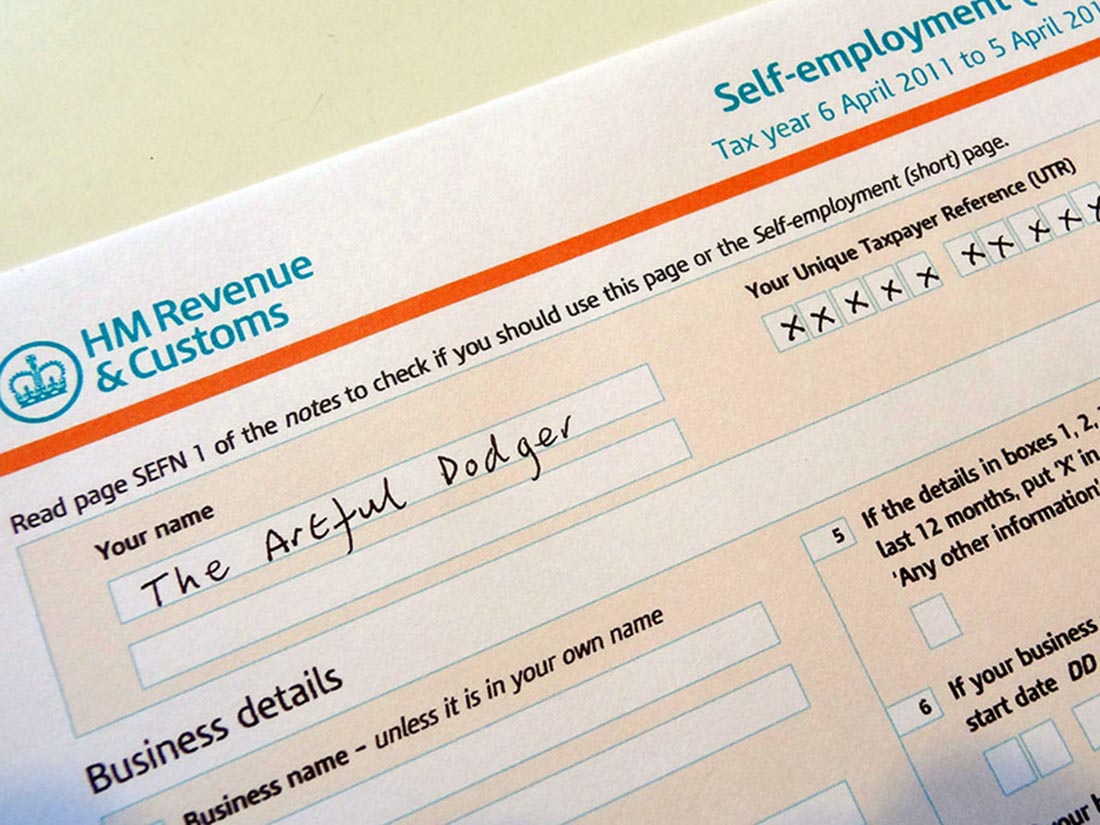
Here we focus on tax avoidance. This is the management of tax affairs by individuals or firms so as to avoid or minimise the payment of taxes. Tax avoidance is legal, unlike tax evasion, which is the practice of not declaring taxable income.
In a statement from the White House, directly after the publication of the Panama papers, President Obama spoke about the huge international scale of tax evasion and tax avoidance:
“A lot of it is legal, but that’s exactly the problem. It’s not that [people are] breaking the laws, it’s that the laws are so poorly designed that they allow people, if they’ve got enough lawyers and enough accountants, to wiggle out of responsibilities that ordinary citizens are having to abide by.
Here in the United States, there are loopholes that only wealthy individuals and powerful corporations have access to. They have access to offshore accounts, and they are gaming the system. Middle-class families are not in the same position to do this. In fact, a lot of these loopholes come at the expense of middle-class families, because that lost revenue has to be made up somewhere. Alternatively, it means that we’re not investing as much as we should in schools, in making college more affordable, in putting people back to work rebuilding our roads, our bridges, our infrastructure, creating more opportunities for our children.”

Tax avoidance, whether in tax havens, or through exploiting loopholes in the tax system may be legal. But is it fair?
Various principles of a tax system can be identified. These include:
|
|
| • |
Horizontal equity |
People in the same situation should be treated equally. For example, people earning the same level of income and with the same personal circumstances (e.g. number and type of dependants, size of mortgage, etc.) should pay the same level of income tax. |
| • |
Vertical equity |
Taxes should be ‘fairly’ apportioned between rich and poor. The rich should pay proportionately more taxes than the poor. |
| • |
Equity between recipients of government services |
Under the ‘benefit principle’, it is argued that those who receive the most benefits from government expenditure ought to pay the most in taxes. For example, it can be argued that roads should be paid for from fuel tax. |
| • |
Difficulty of evasion and possibly of avoidance |
If it is desirable to have a given tax, people should not be able to escape paying. |
| • |
Non-distortion |
Taxes alter market signals: taxes on goods and services alter market prices; taxes on income alter wages. They should not do this in an undesirable direction. |
| • |
Convenience to the taxpayer |
Taxes should be certain and clearly understood by taxpayers so that they can calculate their tax liabilities. The method of payment should be straightforward. |
| • |
Convenience to the government |
Tax rates should be simple to adjust and as cheap to collect as possible. |
| • |
Minimal disincentive effects |
Taxes may discourage people from working longer or harder, from saving, from investing or from taking initiative. It is desirable that these disincentives should be kept to a minimum. |
Of course, not all these requirements can be met at the same time. One of the most serious conflicts is between vertical equity and the need to keep disincentives to a minimum. The more steeply the rich are taxed, it is argued, the more serious are the disincentive effects on them likely to be (see the blog post from 2012, The 50p income tax rate and the Laffer curve). Another is between vertical equity and equity between recipients of services. Some of the people most in need of government support are the poorest and hence pay the least taxes.
The crucial question is what is regarded as ‘fair’. What is vertically equitable? According to the second article below, people’s preferred tax rates depend on how information is presented. If information is presented on how much tax is paid by the rich, people generally feel that the rich pay too much. If, however, information is presented on how much income people are left with after paying tax, people feel that the rich still have too much and ought to pay more tax.
 The majority of people in the UK feel that tax avoidance, although legal, is morally wrong. According to the results of an HMRC survey in 2015, “the majority (63%) of respondents felt that the use of tax avoidance schemes was widespread. However, the majority (61%) also responded that it was never acceptable to use a tax avoidance scheme. The most frequent reason given as to why it was unacceptable was that ‘it is unfair on others who pay their taxes’.”
In making judgements about the fairness of tax, people generally have inaccurate knowledge about the distribution of income, believing that it is more equal than it really is, and about the progressiveness of the tax system, believing that it is more progressive than it really is. Despite this, they want post-tax income distribution to be more equal.
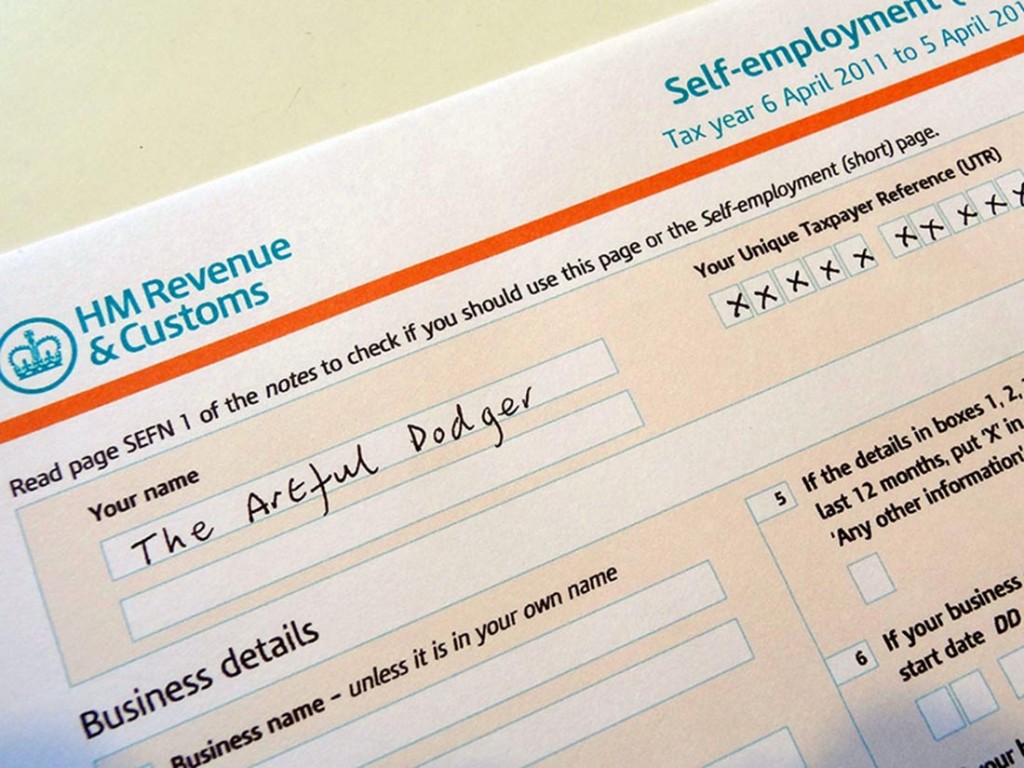 What is more, although people generally disapprove of tax avoidance, it is the system that allows the avoidance of taxes that they want changing. As long as it is possible to avoid taxes, such as giving gifts to children to avoid inheritance tax (as long as the gift is made more than seven years before the person’s death), most people see no reason why they should not do so themselves.
The following articles look at tax avoidance and people’s attitudes towards it. They are all drawn from The Conversation, “an independent source of news and views, sourced from the academic and research community and delivered direct to the public.”.
Articles
Explainer: what are ‘tax havens’? The Conversation, Tommaso Faccio (5/4/16)
When it comes to tax, how do we decide what’s fair? The Conversation, Stian Reimers (8/4/16)
Six things a tax haven expert learned from the Panama Papers The Conversation, Ronen Palan (6/4/16)
Documents
The Panama Papers The International Consortium of Investigative Journalists
Exploring public attitudes to tax avoidance in 2015: HM Revenue and Customs Research Report 401 HMRC, Preena Shah (February 2016)
2010 to 2015 government policy: tax evasion and avoidance HMRC/HM Treasury (8/5/15)
Questions
- Distinguish between tax avoidance and tax evasion.
- Give some examples of tax avoidance.
- Look through the various principles of a tax system and identify any conflicts.
- What problems are there in having a highly progressive tax system?
- What is a ‘shell company’? How can it be used to avoid and evade taxes?
- What are bearer shares and bonds? Why were they abolished in the UK in 2015?
- What legitimate reasons may there be for a company or individual using a tax haven?
- To what extent might increased transparency in tax affairs discourage individuals and companies from engaging in aggressive tax avoidance?
- What light does/can behavioural economics shed on people’s perceptions of fairness?
- How might the use of absolute amounts or percentages influence people’s thinking about the fairness of a tax system? What implications does this have for politicians in framing tax policy?
- In the principal–agent problem, where the principals are the tax authorities and the agents are taxpayers, why does asymmetric information arise and why is it a problem? How do the tax authorities seek to reduce this problem?
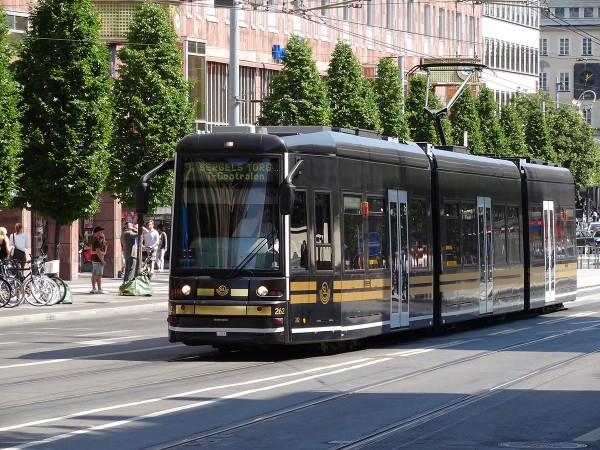 Two surveys have been released looking at the quality of life in cities and the levels of happiness of their residents. The first is a three-yearly Eurobarometer survey by the European Commission focusing on 83 European cities/conurbations. This survey finds that, despite growing concerns about immigration, terrorism and stagnant real incomes, levels of satisfaction have remained stable since the 2012 survey. In all except six cities, at least 80% of respondents say that they are satisfied to live in their city. The highest scores (above 98%) are in the north of Europe.
The second is the 2016 Quality of Life Survey (an annual survey) by the consultancy firm, Mercer. This looks at cities worldwide, particularly from the perspective of employees of multinational companies being placed abroad. The survey found that the top ten cities by quality of life include seven in Europe, and that the five safest cities in the world are all in Europe.
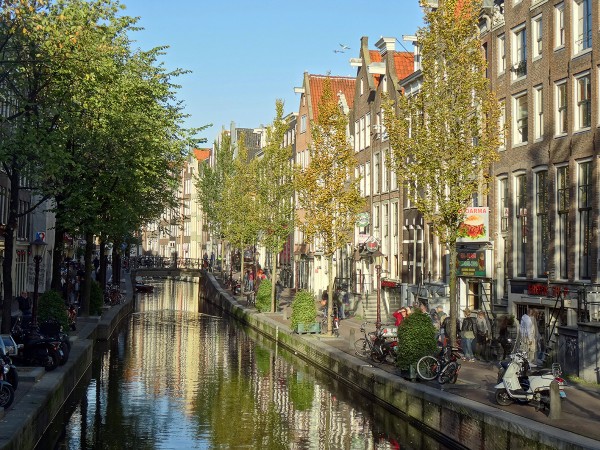 So what is it that makes the quality of life so high in many European cities, especially those in Germany, Austria, Switzerland, the Netherlands and Scandinavia? Is it that income per head is higher in these cities? In other words, is the quality of life related to GDP?
The answer is only loosely related to GDP. What seems more important is people’s income relative to other people and whether their income relative to other people is rising.
But people regard the quality of life in cities as depending on other factors than simple relative income. One factor common across all cities is household composition. People are least happy if they live on their own.
Other factors include: a feeling of safety; how well integrated different ethic and social groups are felt to be; the quality of public transport; the cleanliness of the city; health care provision and social services; the quality of schools and other educational establishments; sports facilities; cultural facilities; parks and other public spaces; the quality of shops, restaurants and other retail outlets; 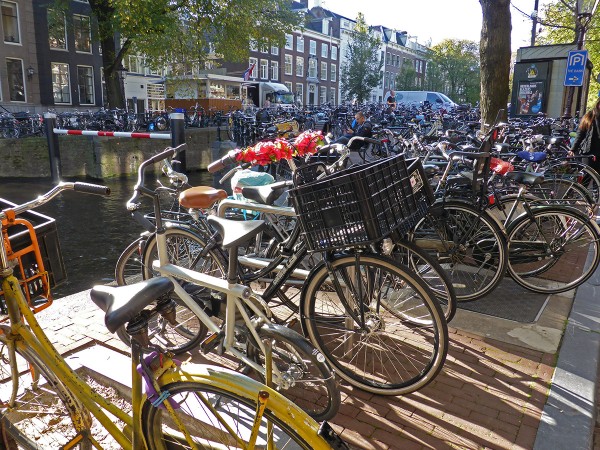 the quality and price of housing; the ease of getting a job; trust in fellow citizens; environmental factors, such as air quality, noise, traffic congestion and cleanliness; good governance of the city. The top three issues are health services, unemployment and education and training.
Although cities with higher incomes per head can usually afford to provide better services, there is only a loose correlation between income per head and quality of life in cities. Many of the factors affecting quality of life are not provided by the market but are provided publicly or are part of social interaction outside the market.
Articles
Happiness in Europe The Economist (25/2/16)
Happiness in Europe: What makes Europeans happy? It depends on where they live The Economist (27/2/16)
Rating Europe’s Most and Least Happy Cities CityLab, Feargus O’Sullivan (9/2/16)
Europe’s Nicest Cities Aren’t Its Happiest Ones Bloomberg, Therese Raphael (2/2/16)
Vienna named world’s top city for quality of life The Guardian, Patrick Collinson (23/2/16)
Vienna named world’s best city to live for quality of life, but London, New York and Paris fail to make top rankings Independent, Loulla-Mae Eleftheriou-Smith (23.2.16)
The world’s most liveable cities: London and Edinburgh rank in top 50 The Telegraph, Soo Kim (23/2/16)
Reports
Quality of Life in European Cities 2015 Flash Eurobarometer 41 (January 2016)
Quality of Life in European Cities 2015: Individual Country Reports Flash Eurobarometer 41 (January 2016) (This may take a short while to download.)
Quality of life in European Cities 2015: Data for Research Flash Eurobarometer 41 (January 2016)
2016 Quality of Living Rankings Mercer (23/2/16)
Western European Cities Top Quality of Living Ranking Mercer, Press Release (23/2/16)
Questions
- Why, do you think, is the quality of life is generally higher in (a) most northern European cities than most southern and eastern European ones; (b) most European cities rather than most north American ones?
- To what extent is (a) absolute real income per head; (b) relative real income per head an indicator of quality of living in cities?
- Why, do you think, are Italians less satisfied with the quality of life in their cities than residents of other western European countries?
- What factors affect your own quality of living? To what extent do they depend on the city/town/village/area where you live?
- Look at the list of factors above that affect quality of life in a given city. Put them in order of priority for you and identify any other factors not listed. To what extent do they depend on your age, your background, your income and your personal interests and tastes?
- Identify a particular city with which you are relatively familiar and assume that you were responsible for allocating the city’s budget. What would you spend more money on, what less and what the same? Provide a justification for your allocation.
- Discuss the following passage from the Bloomberg article: “What is striking is that there appears to be a correlation between those who report high levels of satisfaction and those who view foreigners in their city as an advantage. Conversely, respondents who complained loudest about transportation, public services, safety and other issues tended to view the presence of foreigners far less favorably.”
 In this post we focus on three aspects of poverty around the world. The first is the definition of poverty. Is it an absolute or a relative concept? Does its definition change as the world develops. The second is the extent of poverty. Is the problem getting worse as inequality deepens, or are the numbers (absolutely or proportionately) getting smaller despite increased inequality? The third is policy to tackle the problem. What can be done and is being done? What answers are being given by policymakers in different parts of the world?
 In the EU, people in relative poverty are defined as those with disposable income (after monetary benefits) less than 60% of the median.
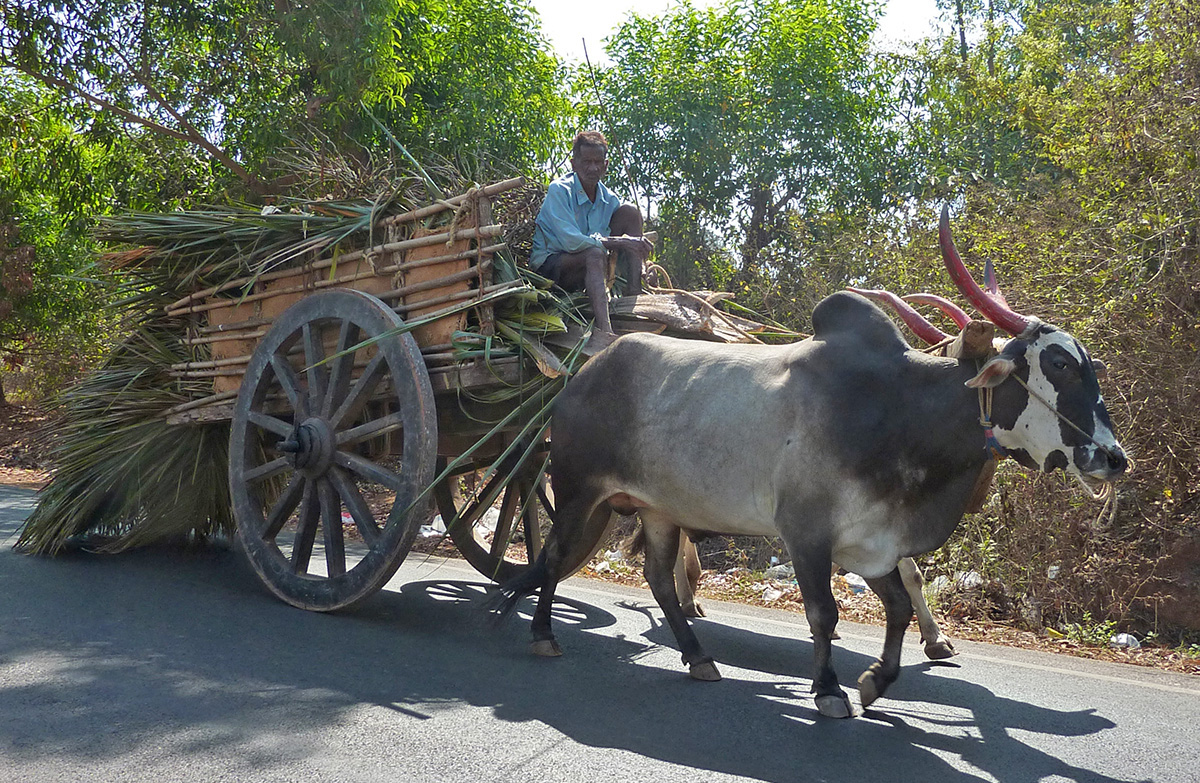 Despite this progress, in many countries extreme poverty is increasing. And in others, although the number in extreme poverty may be declining, it is still high and inequality is increasing so that more people are living only just above the extreme poverty line. The articles look at dimensions of poverty in different countries.
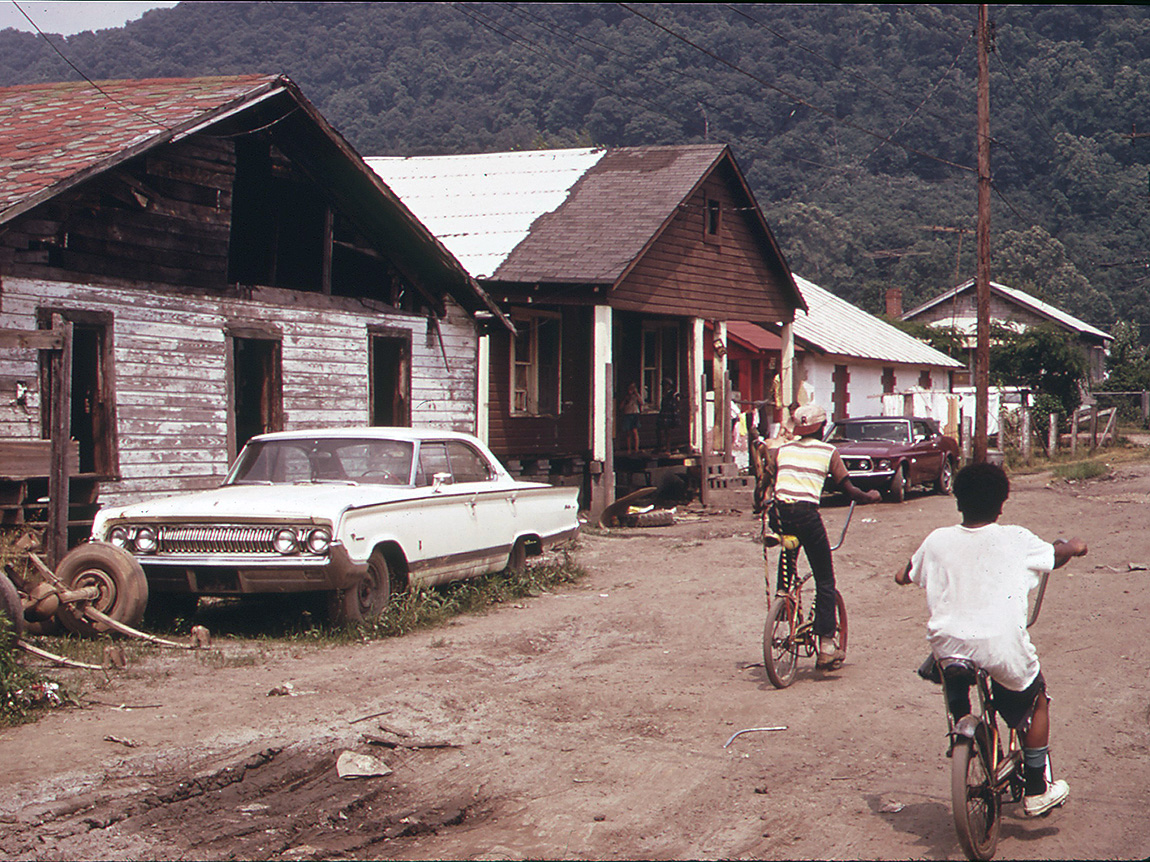 The third is to attempt to improve the earning power of the poor. This may in part be by the second approach of improving education, training and health. But it may also involve removing restrictions to employment, say by making various forms of discrimination illegal. It may also involve increasing land rights. In many developing countries land is very unequally distributed; redistribution to the poor can make a substantial contribution to relieving poverty. Another approach is to encourage agencies which supply microfinance for poor people wishing to set up their own small business.